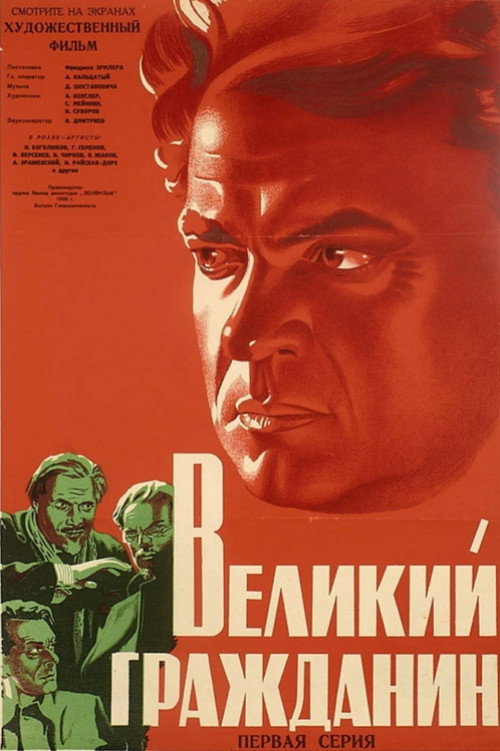
Great Citizen
1938
No user ratings available yet
Representation score: 4.2 out of 10

Representation Score
Fair
1956
Director
Aleksandr Alov, Vladimir Naumov
Runtime
102 minutes
Average Rating
No ratings yetNew Showbiz Analysis
Pavel Korchagin is a cinematic exploration of ideological commitment, emphasizing class struggle over contemporary identity politics. The film excels in its critique of capitalism and its dignified portrayal of physical disability. While it offers a unique look at a character dealing with chronic illness, it remains constrained by its era's social norms. It lacks ethnic diversity and LGBTQ+ representation, focusing mainly on the Slavic revolutionary experience. Ultimately, the film's strength lies in its critique of Western power structures, favoring a communal, class-based narrative over individualistic identity.
Category Breakdown
The film follows strict mid-20th-century Soviet social norms and does not depict any non-cisgender identities or same-sex relationships. It focuses on heterosexual relationships within the context of revolutionary connections.
Women are shown as active participants in both labor and combat, rather than being confined to domestic roles. However, the narrative largely revolves around the male protagonist's experiences and endurance.
The story centers on Slavic and ethnic Russian workers. It emphasizes class identity over ethnic diversity, with no significant non-Slavic casting to diversify the demographic.
The film critiques Western-aligned institutions such as monarchy and religion. It prioritizes Marxist-Leninist ideology and secularism as tools for dismantling oppressive systems.
The protagonist's physical decline and chronic illness are central to the plot. His disability is not used for pity but as a symbol of ideological perseverance and active engagement.
Present on Screen
Limited or Absent
Official Synopsis
A Soviet era ideological drama based on Nikolai Ostrovsky's famous novel "How Steel Was Tempered".
1938

2020

1977
1968
1966
1953
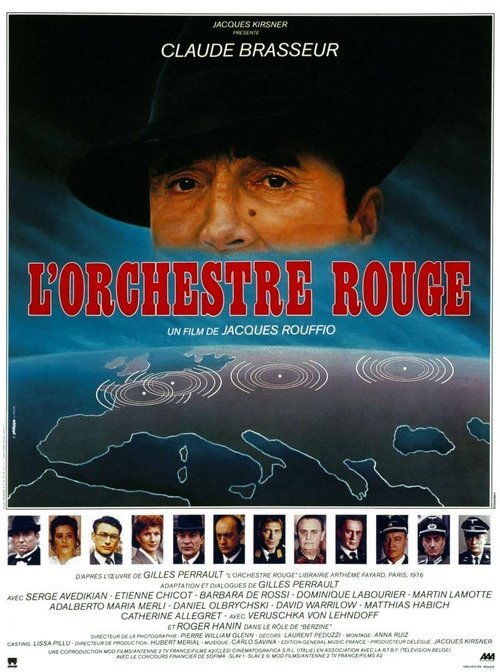
1989
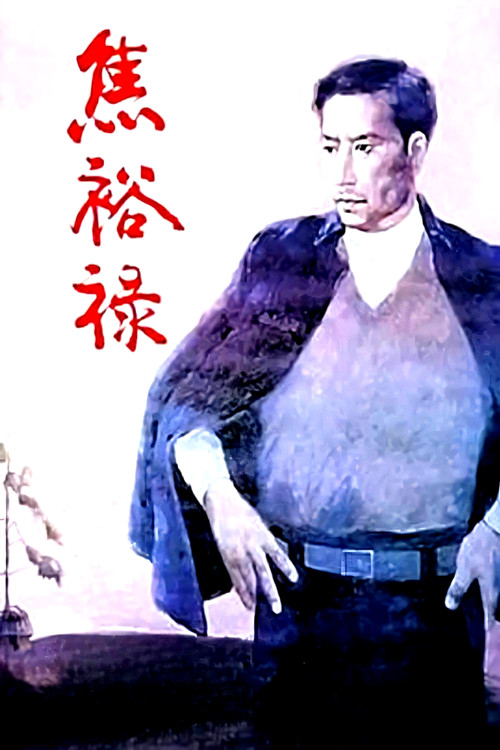
1990
No reviews yet. Be the first to share your thoughts on this movie!
Use the rating form above to leave a star rating and optional review.