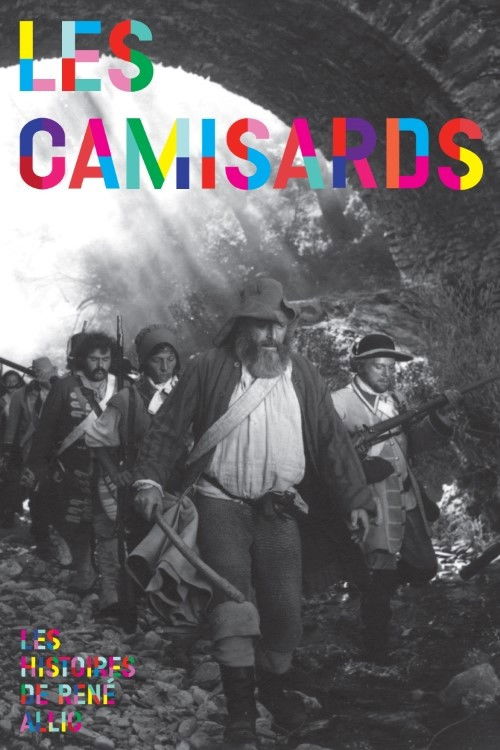
The French Calvinists
1972
No user ratings available yet
Representation score: 2.8 out of 10
Representation Score
Fair
1989
Director
Jacques Rouffio
Average Rating
No ratings yetNew Showbiz Analysis
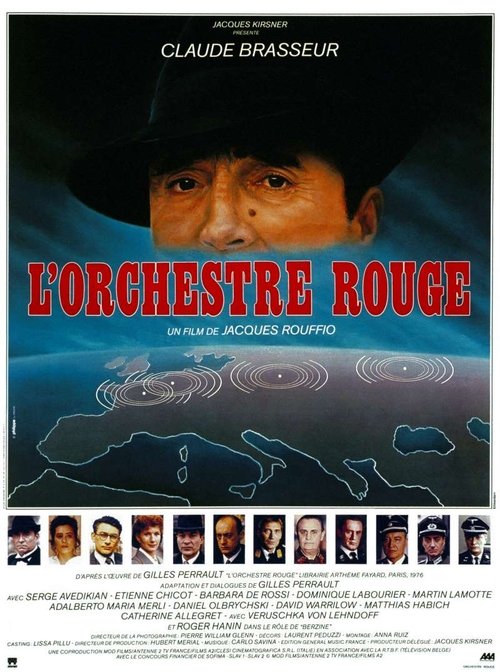
L'Orchestre rouge is a sophisticated historical drama that prioritizes intellectual inquiry over broad demographic representation. It explores the ethical fractures caused by the erosion of social and political order during a period of systemic upheaval. The film's strength lies in its critique of totalitarianism and the vulnerability of democratic institutions. However, the film lacks diversity in terms of identity politics. The casting is homogeneous and the narrative lacks representation for LGBTQ+ identities, various ethnic groups, or characters with disabilities.
Category Breakdown
The film reflects the straight-centered social structures of 1930s France. There are no prominent depictions of non-traditional gender identities or same-sex relationships among the characters.
Women are shown as emotionally complex and active participants in the story. However, their roles mainly involve navigating male-dominated political and artistic environments rather than challenging traditional hierarchies.
The cast is predominantly white and European, maintaining historical accuracy for 1930s France. This approach limits the representation of diverse racial backgrounds.
The narrative effectively critiques systemic power and the rise of fascism. It examines the tension between art and political commitment, showing how individuals maintain integrity in oppressive conditions.
The story focuses on political and psychological stressors. There are no characters with visible or invisible disabilities that drive the central plot.
Present on Screen
Limited or Absent
1972
1944
1981
2020
2017
1968

1997
1990
No reviews yet. Be the first to share your thoughts on this movie!
Use the rating form above to leave a star rating and optional review.