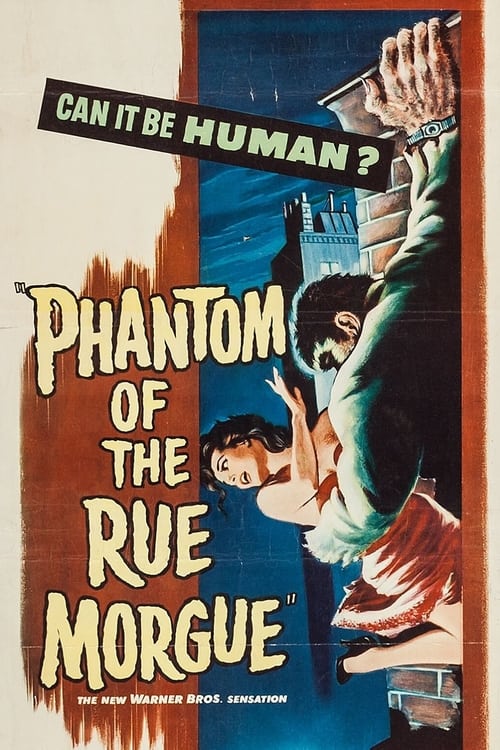
Phantom of the Rue Morgue
1954
No user ratings available yet
Representation score: 1.6 out of 10
Representation Score
Limited
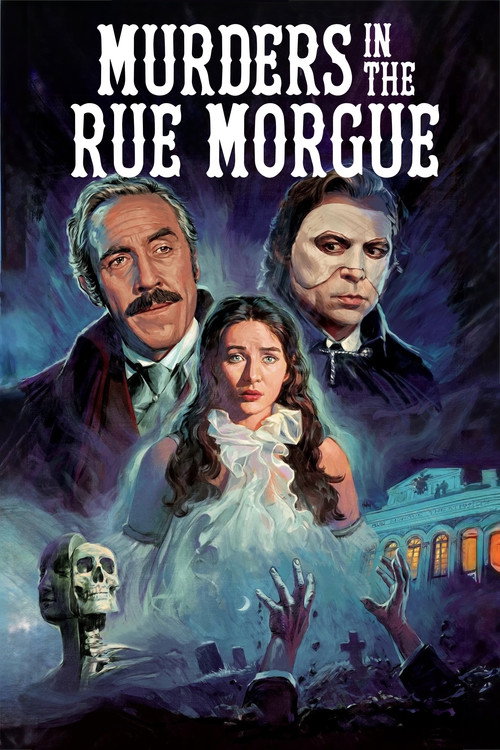
1971
PG-13Director
Gordon Hessler
Runtime
87 minutes
Average Rating
No ratings yetNew Showbiz Analysis
This production functions as a traditional period mystery that closely adheres to genre conventions. It prioritizes atmospheric horror and individual psychological drama over exploring diverse identities or systemic power dynamics. The narrative structure centers on the mechanics of a locked-room mystery rather than deconstructing social hierarchies. It operates within a conventional framework of early 20th-century European social structures. Ultimately, the film reinforces traditional social and narrative hierarchies, lacking the intentionality needed to disrupt established clichés or provide characters who reflect more than one aspect of diversity.
Category Breakdown
The film does not feature any identifiable LGBTQ+ characters or storylines. The romantic focus is solely on the traditional marriage between Cesar and Madeleine Charron.
Gender roles adhere to traditional period norms. Madeleine's character is defined by her psychological vulnerabilities and her interactions with male protagonists.
The cast is predominantly homogenous, reflecting a turn-of-the-century Parisian setting. There is no indication of significant racial or ethnic diversity in the production.
The story follows Western storytelling traditions and operates within established institutions. It does not critique religion or capitalism, using them simply as a backdrop.
Themes of psychological instability serve primarily as plot devices for horror. These depictions risk using madness as a macabre cliché rather than offering nuanced representation.
Present on Screen
Limited or Absent
Official Synopsis
In Paris, in the beginning of the Twentieth Century, Cesar Charron owns a theater at the Rue Morgue where he performs the play "Murders in the Rue Morgue" with his wife Madeleine Charron, who has dreadful nightmares. When there are several murders by acid of people connected to Cesar, the prime suspect of Inspector Vidocq would be Cesar's former partner Rene Marot. But Marot murdered Madeleine's mother many years ago and committed suicide immediately after.
1954

1932

1953
1942
1986
1970
1949
1927
No reviews yet. Be the first to share your thoughts on this movie!
Use the rating form above to leave a star rating and optional review.