
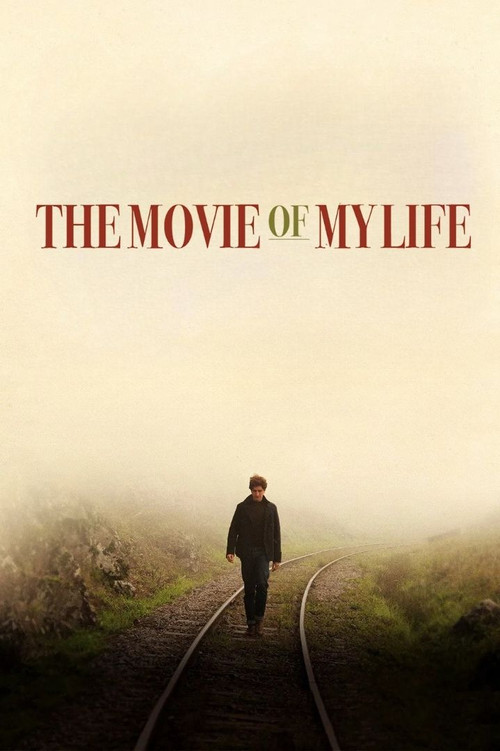
Father’s Chair
2012
No user ratings available yet
Representation score: 4.1 out of 10
Representation Score
Good
2017
Director
Selton Mello
Runtime
113 minutes
Average Rating
No ratings yetNew Showbiz Analysis
Selton Mello presents a character-driven drama that prioritizes psychological depth over conventional storytelling. The film successfully challenges rigid masculine ideals by emphasizing the protagonist's emotional inadequacies and quest for a role model. While the film offers a nuanced look at mixed-heritage identity and post-colonial issues, it does not strongly highlight underrepresented identities. It avoids identity politics in favor of a more universal, existential exploration of the human condition. Ultimately, the work provides a sophisticated approach to identity through a personal lens, though it remains within traditional interpersonal frameworks rather than actively deconstructing social hierarchies.
Category Breakdown
The story focuses on a search for paternal connection and existential meaning but does not include explicit LGBTQ+ identities or narratives that challenge heterosexuality assumptions.
Tony challenges traditional masculine stereotypes by showing emotional vulnerability. However, the film does not give a prominent role to female characters or break down gender hierarchies.
The protagonist's mixed French and Brazilian heritage highlights the complexities of cultural blending. This setting allows for exploring the impact of historical colonization on identity in 1963 rural Brazil.
The narrative emphasizes a secular, postmodern perspective through themes of alienation. It questions the emptiness of traditional social roles without promoting specific political ideologies.
Themes of loneliness and existential unease are portrayed as universal human conditions. The film focuses on the internal psyche rather than the specific experiences of individuals with disabilities.
Present on Screen
Limited or Absent
Official Synopsis
The sierras of southern Brazil, 1963. The son of an French man and a Brazilian woman, Tony is a young man with a profound love of cinema and poetry. After graduating from college he returns to his small town in rural Brazil, to find out that his father had left for good, back to France. Tony then looks for the company of his fathers friends in search of information and references of a lost male role-model. He becomes a school teacher and a male figure to kids, in an attempt to provide them with something he lacks himself. A series of developments lead him to a surprising final lead on his fathers' whereabouts and reasons for leaving.
2012

1997
2016

2015

2012
1998
1998
2015
No reviews yet. Be the first to share your thoughts on this movie!
Use the rating form above to leave a star rating and optional review.