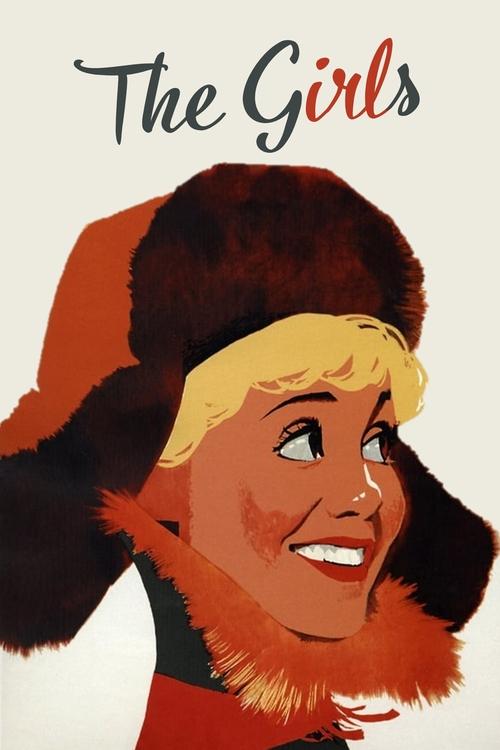
The Girls
1962
No user ratings available yet
Representation score: 3.0 out of 10
Representation Score
Limited
1962
Director
Yevgeni Tashkov
Runtime
98 minutes
Average Rating
No ratings yetNew Showbiz Analysis
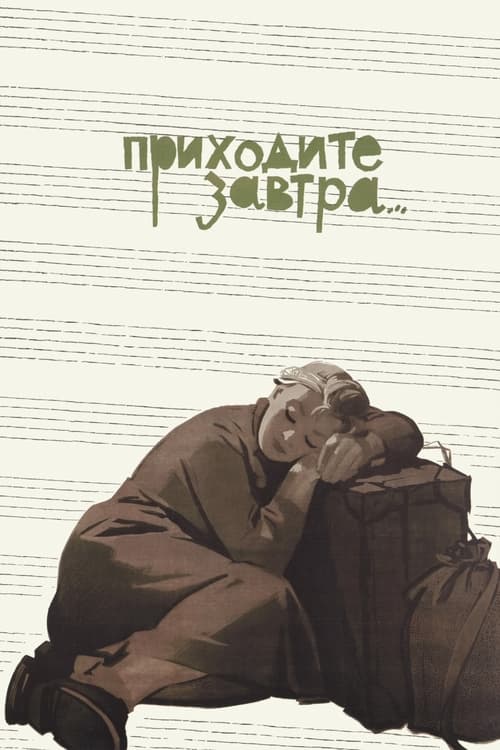
Come Tomorrow... (1962) is a period piece that prioritizes ideological and class-based narratives over contemporary identity politics. It excels in its subversion of traditional power structures, particularly through its portrayal of women gaining political influence and its critique of religious and monarchical authority. However, the film is constrained by its narrow historical focus. The absence of LGBTQ+, racial, and disability representation reflects a narrative confined to the specific ethnic and social realities of the 1905 Russian revolutionary period. Ultimately, the film explores systemic change. It prioritizes collective, secular progress and the dismantling of established institutions over individual or diverse identity representation.
Category Breakdown
The film does not include any LGBTQ+ characters or non-straight relationships. It focuses solely on socio-political themes without any queer undertones.
Female characters are shown as active participants in the political sphere, moving away from traditional domestic roles toward more influential positions within the revolutionary movement.
The storyline is set in the specific historical context of the 1905 Russian Revolution and focuses on the Slavic experience. It does not feature a diverse cast representing multiple ethnicities.
The film criticizes Western-style autocratic rule and religious institutions as instruments of state control. It emphasizes secular, class-based morality and collective action over individual or religious values.
There are no characters with visible or invisible disabilities. The plot centers on the socioeconomic struggles between the working class and the ruling elite.
Present on Screen
Limited or Absent
Official Synopsis
Frosya Burlakova, a talented young woman from a remote Siberian village comes to Moscow with dreams of becoming a professional singer.
1962
1961
1963

1985
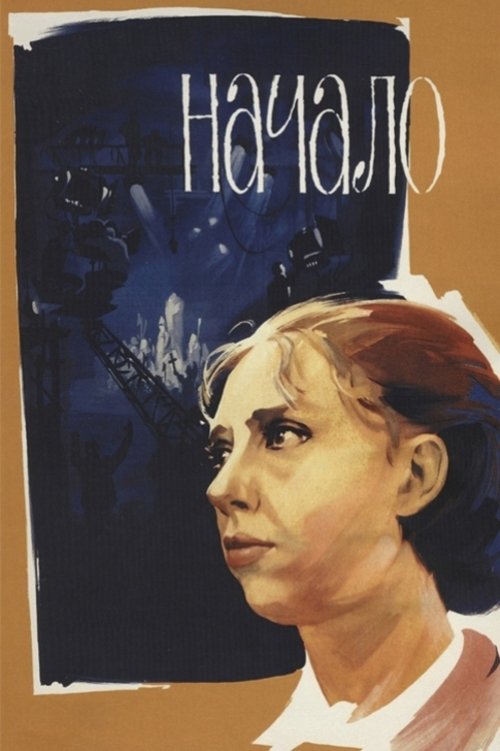
1970
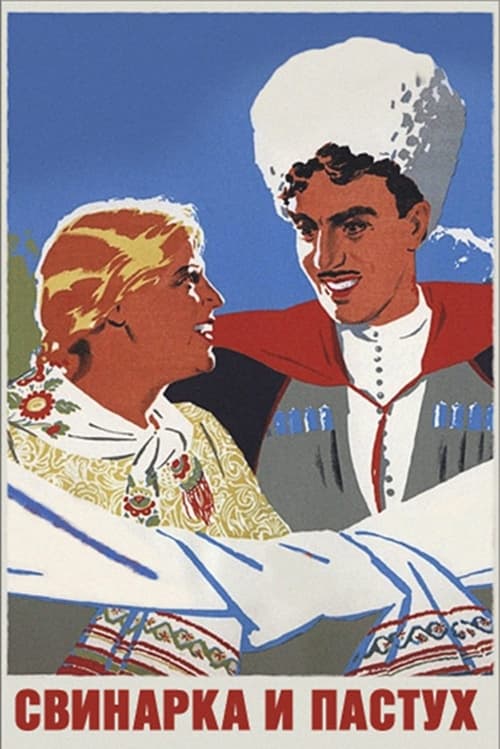
1941
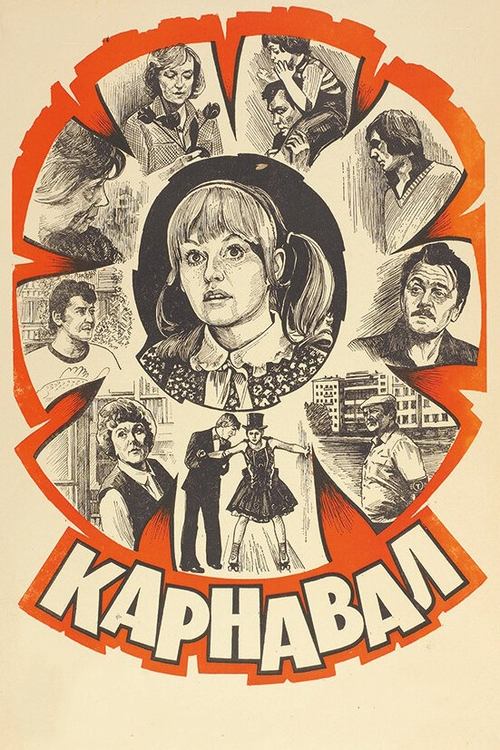
1981
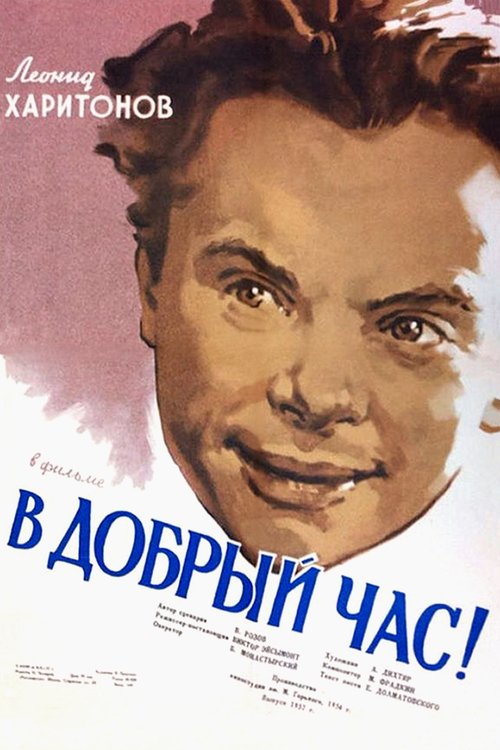
1956
No reviews yet. Be the first to share your thoughts on this movie!
Use the rating form above to leave a star rating and optional review.