
Delinquent Girl Boss: Worthless to Confess
1971
No user ratings available yet
Diversity score: 6.0 out of 10

1987
Director
Hideo Tanaka
Runtime
93 minutes
Average Rating
No ratings yetSynopsis
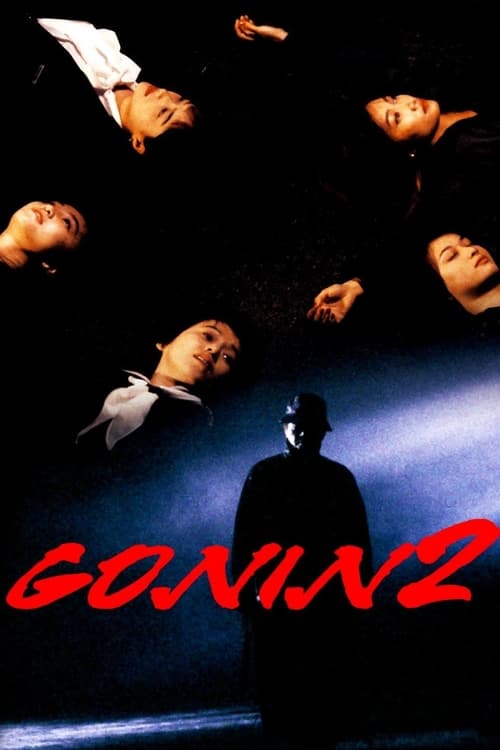
After the events of the TV series, the 18 year old Yoko Godai has abandoned her special agent Saki Asamiya name to return to her normal life, and is now studying for college entrance exams. However, she accidentally bumps into a young man named Kazuo Hagiwara trying to escape from a group of hitmen, and learns that he comes from Sanko Academy, a private school located in a remote island known as Hell's Castle. The school is ruled by a former revolutionary thought to be dead named Hattori who is trying to brainwash students into terrorists to help him stage a fascist coup d'etat in Japan.
Overall Score
Fair
Category Breakdown
LGBTQ+ Representation
The film lacks explicit LGBTQ+ characters or non-heteronormative romantic arcs. The narrative focuses on the protagonist's individual journey within a traditional social framework.
Gender Representation
The film excels at subverting gender hierarchies by centering on the 'Sukeban' archetype. Yoko Godai possesses significant physical agency and authority, deconstructing the trope of the submissive female.
Racial & Ethnic Diversity
The cast is culturally homogeneous, reflecting the specific socio-cultural context of its production. It lacks racial intersectionality, focusing instead on domestic Japanese social structures.
Religious & Cultural Diversity
The story explores rebellion against oppressive institutions and fascist authority. It frames delinquent behavior and extra-legal vigilantism as necessary tools for justice against established hierarchies.
Disability Representation
There are no prominent depictions of visible or invisible disabilities. Characters are defined primarily by their physical prowess and social status.
Strengths
Areas for Improvement
AI Analysis
The film is a powerful study in subverting gendered power dynamics. By centering on a highly capable female protagonist, it challenges traditional expectations of femininity and social conduct. However, the narrative lacks intersectional breadth. The focus remains strictly on domestic Japanese social structures, offering little representation regarding racial diversity or LGBTQ+ identities. Ultimately, the film succeeds as a critique of institutional authority, using teenage rebellion and specialized agency to disrupt established social orders.
1971

1973

1976

1970
1996

1987

1973

1973

2012

1978

1979

2004
No reviews yet. Be the first to share your thoughts on this movie!
Use the rating form above to leave a star rating and optional review.