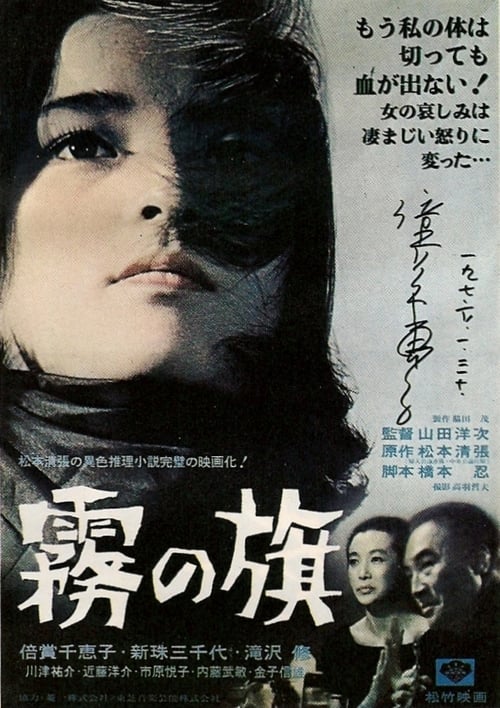
A Trap
1965
No user ratings available yet
Representation score: 6.0 out of 10
Representation Score
Fair
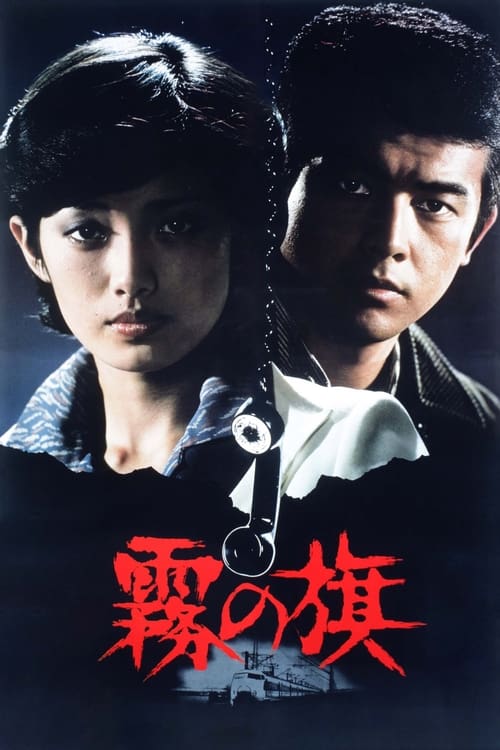
1977
Director
Katsumi Nishikawa
Runtime
95 minutes
Average Rating
No ratings yetNew Showbiz Analysis
Sweet Revenge is a social realist critique of institutional negligence. The film centers on a woman's journey from seeking legal help to pursuing vengeance against a corrupt system. The narrative succeeds in giving Kiriko a significant role in driving the story, challenging traditional gender hierarchies. However, the film remains culturally homogeneous and lacks representation of LGBTQ+ identities or disabilities. Ultimately, the film's impact stems from its anti-establishment sentiment and its focus on systemic failure rather than individual morality.
Category Breakdown
The film focuses on the familial bond between Masao and Kiriko. There is no explicit depiction of LGBTQ+ identities or non-straight relationships.
Kiriko serves as the primary driver of the plot, moving from a petitioner to an agent of retribution. She challenges the submissive stereotypes by taking control of her destiny and acting against the male-dominated legal establishment.
The production features a culturally homogeneous cast set within Japanese social structures. It lacks diverse racial complexity but maintains a consistent, localized cultural setting.
The narrative offers a sharp critique of institutional failure and professional hierarchies. It frames the legal system as a flawed mechanism that is indifferent to human life.
There is no documented evidence regarding the portrayal of physical or neurodivergent disabilities in this film.
Present on Screen
Limited or Absent
Official Synopsis
Masao is falsely accused and jailed for the murder of a loanshark to whom he owed a lot of money. His sister Kiriko makes the long trip to Tokyo, specifically to accost Otsuka, Japan's top criminal defence lawyer, and plead with him to take her brother's case. They live in Kitakyushu which, though a city, she contends that the local lawyers are not up to the job. Otsuka contemptuously brushes her off. A year passes. Masao has suicided in jail, his appeal having failed due to the lack of interest and competence of the local defence lawyer. Kiriko returns to Tokyo, planning revenge on Otsuka for refusing the case and causing her brother's death.
1965

1968

1982
1972

2007
1983

1966
2018
No reviews yet. Be the first to share your thoughts on this movie!
Use the rating form above to leave a star rating and optional review.