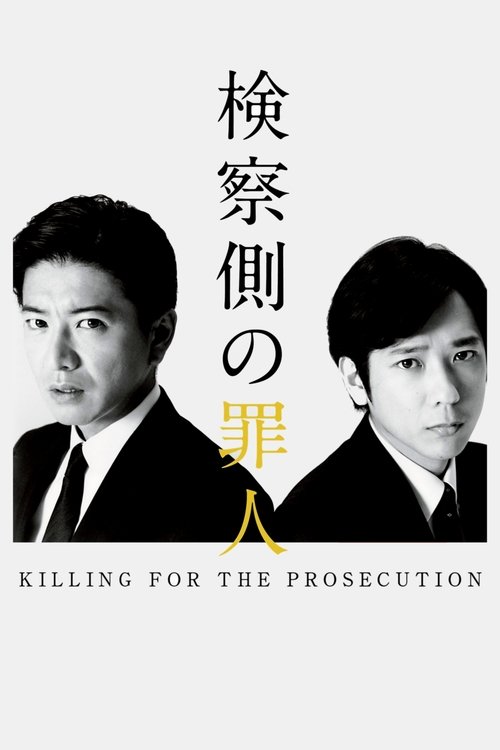
Killing for the Prosecution
2018
No user ratings available yet
Diversity score: 4.8 out of 10

1965
Director
Yoji Yamada
Runtime
111 minutes
Average Rating
No ratings yetSynopsis
When her only relative, her elder brother is accused of robbing and murdering an old woman loan-shark, pretty, young Kiriko travels from her home in Kyushu to Tokyo to get Japan's top lawyer to defend her brother. Unfortunately her naive idealism is shattered when the lawyer refuses to take the case based on her insufficient funds. What follows is a long determined revenge plot that sees the heroine become a Tokyo bar hostess and worse to punish the lawyer. The plot thickens with another murder mystery and a sleuthing reporter.
Overall Score
Limited
Category Breakdown
LGBTQ+ Representation
The film adheres to the conventional social structures of 1960s Japan. There are no discernible queer narratives or non-cisnormative identities present.
Gender Representation
Kiriko subverts the submissive female trope by driving the narrative through her own agency. Her descent into the hostess culture to enact vengeance challenges the male-dominated legal establishment.
Racial & Ethnic Diversity
The cast is ethnically homogeneous, reflecting the localized social realities of post-war Japan. The story focuses strictly on the internal Japanese socioeconomic experience of the era.
Religious & Cultural Diversity
The film offers a sophisticated critique of capitalist structures and systemic corruption. It portrays the legal system as an inaccessible tool for the wealthy and morally indifferent.
Disability Representation
There is no significant evidence of characters with visible or invisible disabilities. The narrative focus remains on socioeconomic struggle rather than physical or neurodivergent representation.
Strengths
Areas for Improvement
AI Analysis
Yoji Yamada’s film is a gritty examination of post-war social stratification. It earns its score by deconstructing institutional authority and exploring how systemic failures force individuals into unconventional forms of agency. While the film lacks diversity in terms of race, disability, and LGBTQ+ identities, it provides a nuanced look at the friction between the individual and the state. The protagonist's journey from idealism to calculated retribution offers a powerful subversion of traditional gender roles. Ultimately, the film's strength lies in its cultural critique of a fractured urban landscape, even as it remains demographically homogeneous.
No reviews yet. Be the first to share your thoughts on this movie!
Use the rating form above to leave a star rating and optional review.