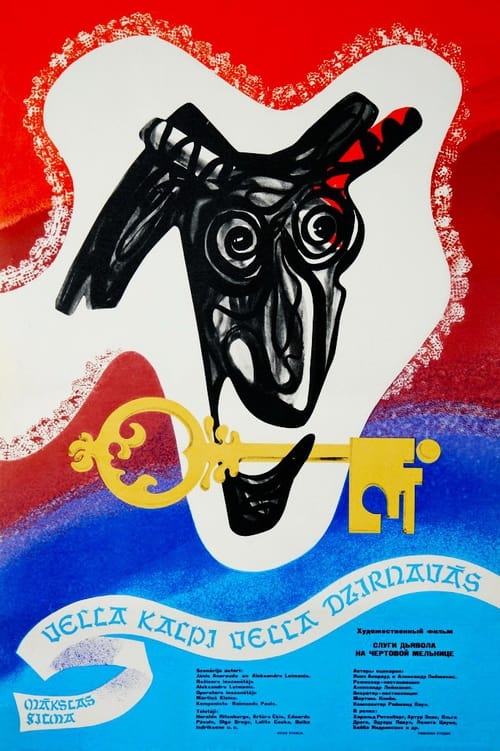
Devil's Servants on a Devil's Mill
1972
No user ratings available yet
Representation score: 4.5 out of 10
Representation Score
Limited
1976
Director
Aleksandrs Leimanis
Runtime
83 minutes
Average Rating
No ratings yetNew Showbiz Analysis
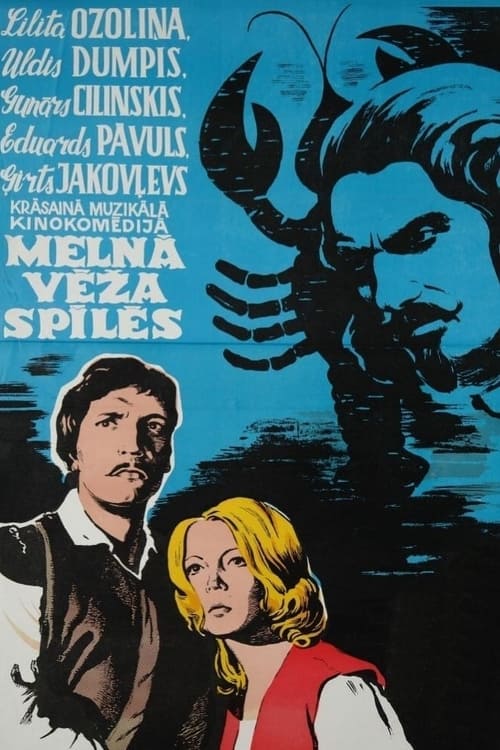
Claws of a Black Cancer serves as a socio-political critique of systemic oppression. It avoids the glorification of monarchy by centering the struggle of the Latvian peasantry against a tripartite power structure of dukes, kings, and barons. The film's strength lies in its deconstruction of traditional power hierarchies. By focusing on the victimization of the working class, it provides a systemic view of history rather than a purely moralistic one. However, the film lacks contemporary identity-based representation. It does not feature LGBTQ+ narratives or characters with disabilities, remaining rooted in the historical archetypes of its 17th-century setting.
Category Breakdown
The film does not include any characters with non-binary or LGBTQ+ identities, nor does it critique the assumption that everyone is straight or cisgender.
The story centers on political power struggles between kings and barons. While there may be resilient women within the farming community, the film likely follows traditional period hierarchies.
By focusing on the Latvian people's resistance against German and Polish dominance, the film highlights the ability to act of an indigenous population. This disrupts the homogeneous view of European history.
The film critiques traditional Western hierarchical institutions. It portrays the ruling classes as predatory forces, emphasizing class struggle over monarchical glory.
There are no characters with visible or invisible disabilities in the narrative.
Present on Screen
Limited or Absent
Official Synopsis
The action takes place in Kurzeme in the 17th century. The Duke of Courland, the King of Poland and the German barons want power over the Latvian people. Farmers are the biggest victims of this power struggle.
1972
1999
1964
1968

1972

1968

2005
1939
No reviews yet. Be the first to share your thoughts on this movie!
Use the rating form above to leave a star rating and optional review.