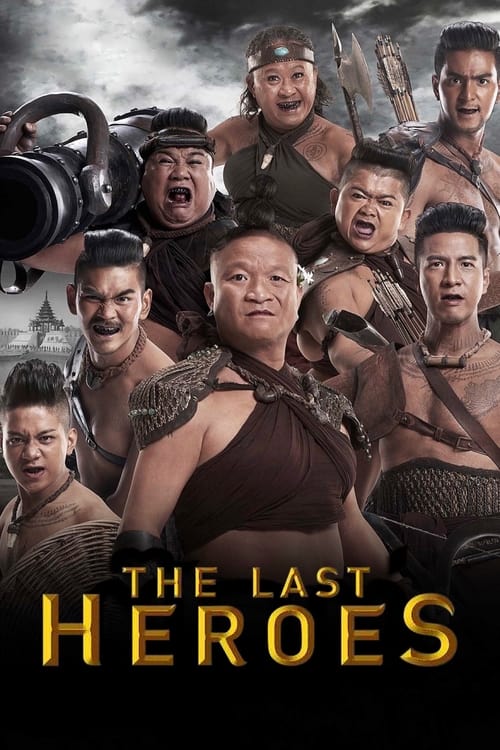
The Last Heroes
2018
No user ratings available yet
Representation score: 5.0 out of 10

Representation Score
Fair
2005
Director
Kaaren Kaer
Runtime
109 minutes
Average Rating
No ratings yetNew Showbiz Analysis
Men at Arms is a historical comedy that focuses on the Estonian people's resistance against the 13th-century expansion of the Teutonic Order. The film avoids typical conquest narratives by emphasizing cultural preservation and the defense of a peaceful, agricultural society against invading military and religious forces. The narrative structure gives significant roles to a non-Western group, placing them at the center of the story. By presenting the French, Russians, and Germans as external threats, the film underscores the tension between communal identity and institutional dominance. While the film does not provide information on LGBTQ+ or disability representation, it effectively challenges traditional hyper-masculine leadership through the selection of an unlikely, youthful protagonist.
Category Breakdown
The film does not include any explicit references to LGBTQ+ characters or narratives. This area remains unverified based on the available information.
The film challenges typical hyper-masculine warrior stereotypes by focusing on a peaceful, agricultural community. Leadership is given to an unlikely young boy rather than traditional male figures.
The story emphasizes Estonian ethnic identity, giving significant roles to a non-Western group. It portrays foreign powers such as the Teutonic Order as barriers to this indigenous perspective.
The film criticizes Western institutional expansion by depicting the Teutonic Order as a violent force. It contrasts militaristic values with the communal, peaceful traditions of singing and farming.
There is no information available regarding the portrayal of physical or neurodivergent disabilities in the film.
Present on Screen
Limited or Absent
Official Synopsis
Year 1208. The first Eastward enlargement of Europe is under way. Brutal forces of the Teutonic Order are steadily marching on. In their path live a simple and peaceful people, whose main pastimes include cultivating the earth, singing and, if possible, doing both at the same time. They are the Estonians. Ignorant in the ways of war, they find an unlikely leader in a young boy with Catholic upbringing. In their fight for freedom, the Estonians encounter numerous obstacles, including the Germans, French, Russians and, worst of all, the Latvians. Will they succeed in defeating their enemies or will they experience a cultural awakening?
2018
1962
1964
1938
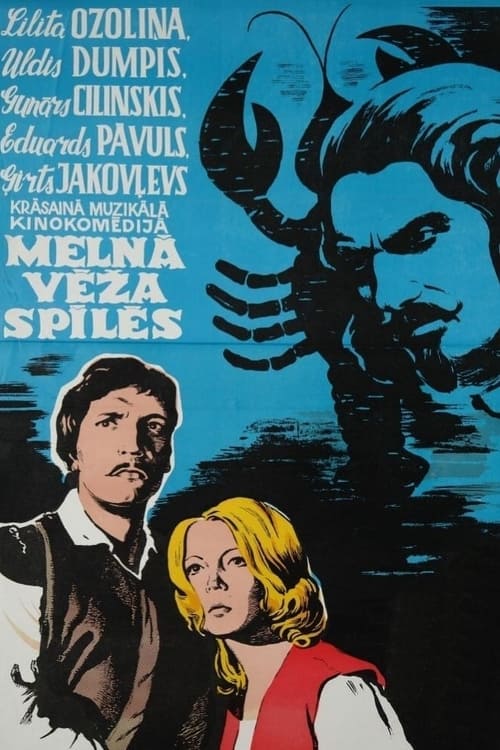
1976
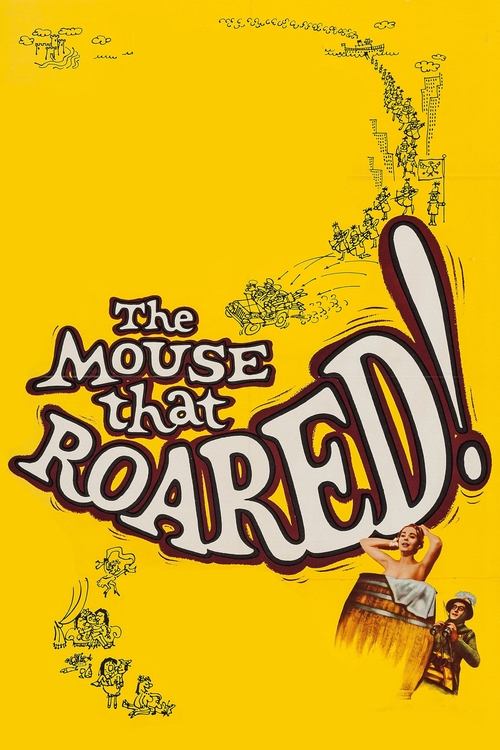
1959
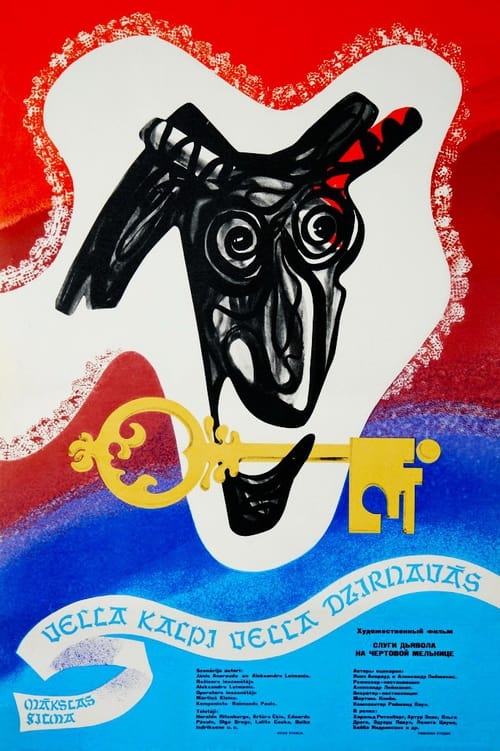
1972
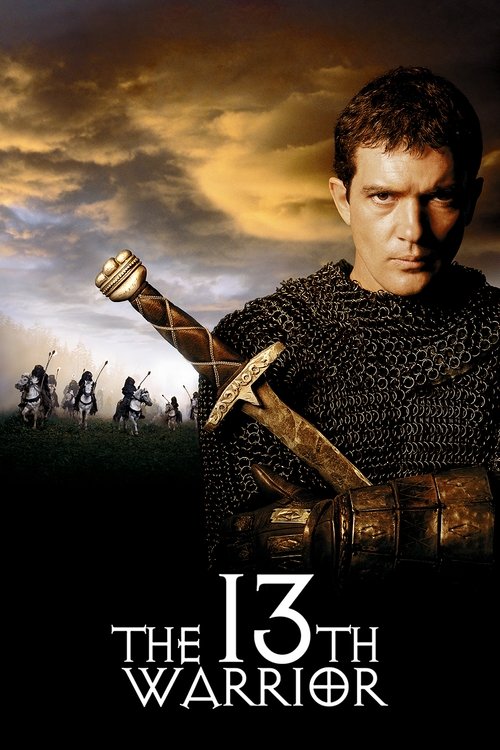
1999
No reviews yet. Be the first to share your thoughts on this movie!
Use the rating form above to leave a star rating and optional review.