
Murer: Anatomy of a Trial
2018
No user ratings available yet
Representation score: 6.0 out of 10

Representation Score
Fair
2019
Director
Jurgis Matulevičius
Runtime
104 minutes
Average Rating
No ratings yetNew Showbiz Analysis
Isaac is a serious historical drama that explores ethnic conflict and the psychological consequences of systemic violence. By focusing on the Lietukio garage massacre, the film offers a deep look at the tensions between Lithuanian activists and Jewish populations. However, the film's scope seems limited in terms of diverse representation. Its focus on a singular male perspective and the absence of LGBTQ+ or female-driven narratives restricts its broader social relevance. Ultimately, Isaac functions as a critique of nationalist fervor but remains a traditional, character-driven drama centered on a specific historical trauma.
Category Breakdown
The film does not include any explicit LGBTQ+ characters or narratives that challenge the assumption that everyone is straight or cisgender. The story focuses on a historical event in 1941 Lithuania.
The narrative centers around the psychological journey of a male protagonist. There is no indication of female roles or subversion of traditional gender roles.
The film delves into ethnic identity by focusing on the Lietukio garage massacre. It examines the power dynamics between Lithuanian activists and Jewish victims.
The story critiques radicalized nationalist institutions by highlighting moral decay and remorse. It avoids glorifying historical figures, emphasizing the psychological impact of systemic violence.
There is no information available regarding the depiction of physical or neurodivergent disabilities in this film.
Present on Screen
Limited or Absent
Official Synopsis
Kaunas, Lithuania, 1941, Lithuanian activist Andrius Gluosnis kills a Jew Isaac in Lietukio garage massacre. Years after the incident Gluosnis is haunted by the guilt.
2018

1989

2001

1989
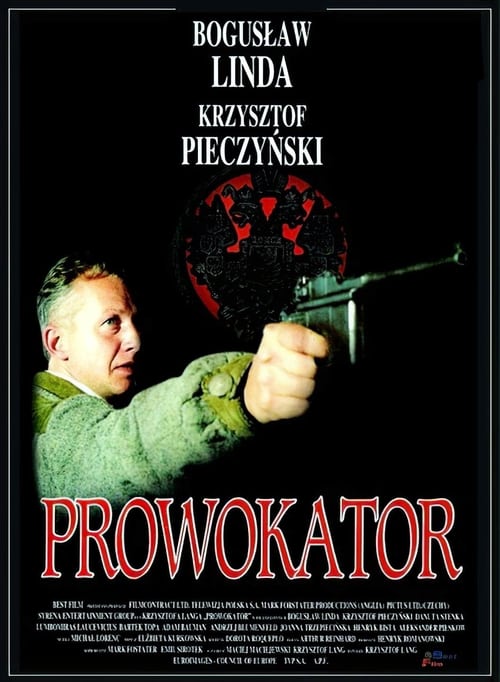
1995

2001

2009
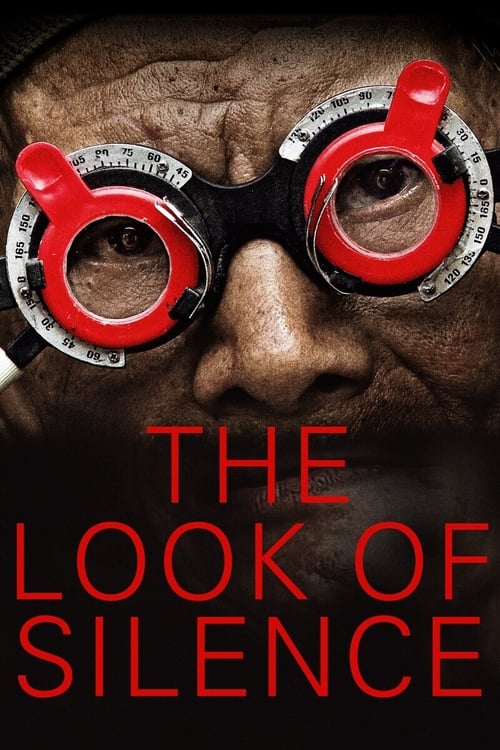
2014
No reviews yet. Be the first to share your thoughts on this movie!
Use the rating form above to leave a star rating and optional review.