Awakening from the Dead
2005
No user ratings available yet
Diversity score: 5.4 out of 10
1992
Not RatedDirector
Pavel Lungin
Runtime
111 minutes
Average Rating
No ratings yetSynopsis
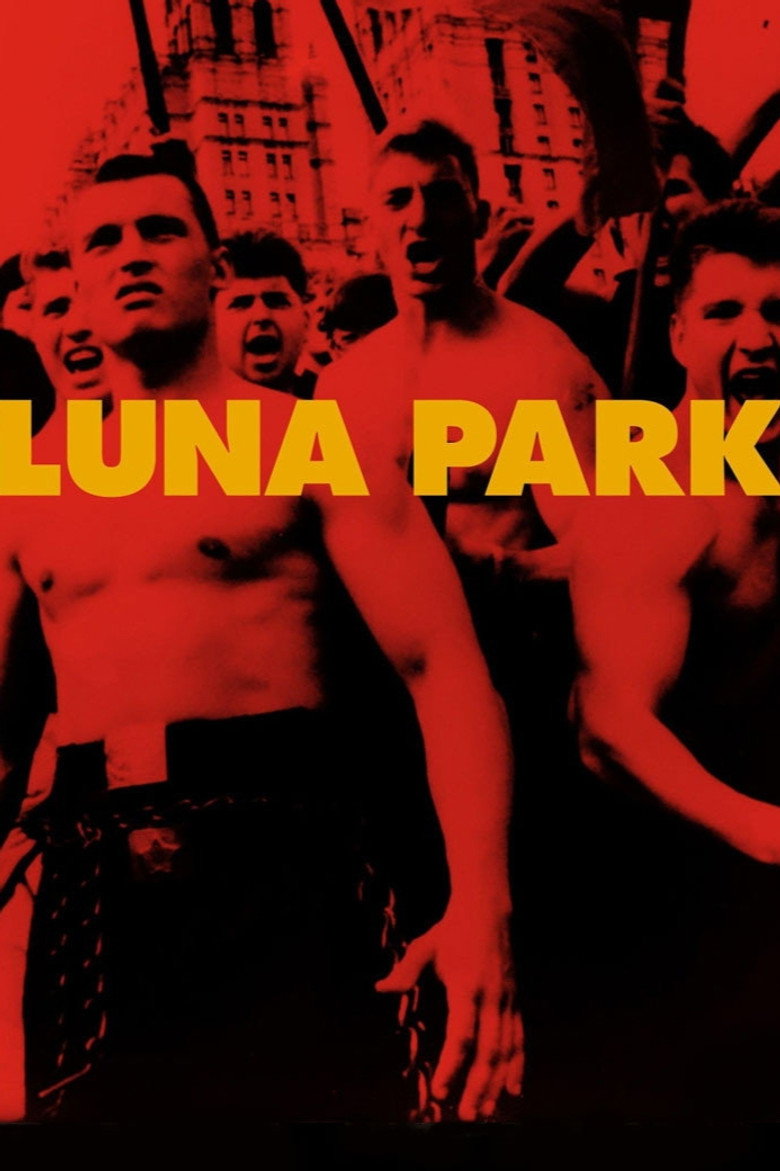
Andrei is the head of a gang of antisemitic skinheads clinging to the old communist ideals in post-Communist Moscow. When he learns that his long lost father actually is a Jewish bohemian living in Moscow, rather than an Afghanistan war hero, he traces him down in order to kill him. But the intriguing father and his "reactionary" lifstyle soon fascinates Andrei which leads to a clash with his gang.
Overall Score
Fair
Category Breakdown
LGBTQ+ Representation
The film lacks explicit focus on LGBTQ+ identities or non-cisnormative romance. While the father's bohemian lifestyle exists outside traditional structures, specific queer identities are not clearly depicted.
Gender Representation
Gender dynamics reflect a breakdown of traditional authority amidst social chaos. The narrative focuses on masculine-coded conflicts, leaving women with limited agency in the central plot.
Racial & Ethnic Diversity
The story uses ethnic tension as a primary driver, pitting an antisemitic protagonist against his Jewish father. This subverts monolithic nationalist myths through a nuanced lens of ethnic friction.
Religious & Cultural Diversity
The film excels at deconstructing Soviet institutions and nationalist ideals. It prioritizes individual moral relativism over the rigid, dysfunctional structures of the old state order.
Disability Representation
There is no significant evidence regarding the portrayal of visible or invisible disabilities within the narrative.
Strengths
Areas for Improvement
AI Analysis
Luna Park is a gritty exploration of identity fragmentation during the collapse of the Soviet Union. It utilizes a nihilistic aesthetic to examine the friction between dying ideologies and emerging individual realities. The film's strength lies in its sophisticated interrogation of ethnic identity. By centering the conflict on antisemitism and the subversion of the 'war hero' myth, it challenges the monolithic narratives of the era. However, the film remains heavily centered on masculine-coded conflict. The lack of female agency and the absence of explicit LGBTQ+ representation limit its breadth of social representation.
2005
2019
2015
1975

2003
2020
2008
2001
2002
1998
2012
2009
No reviews yet. Be the first to share your thoughts on this movie!
Use the rating form above to leave a star rating and optional review.