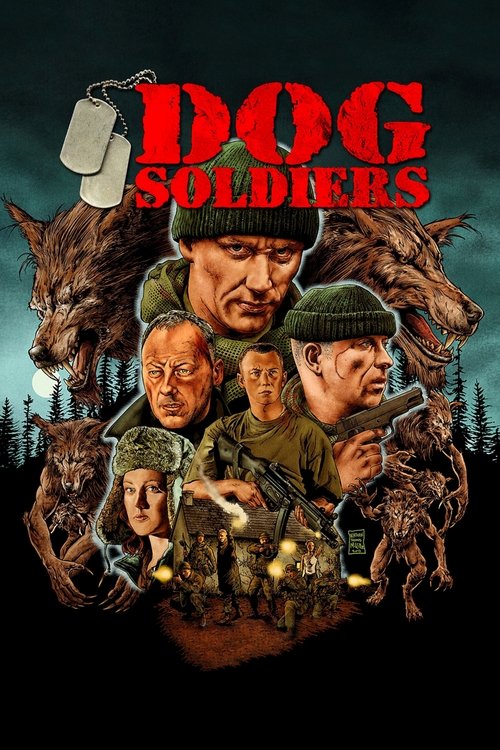
Dog Soldiers
2002
No user ratings available yet
Representation score: 0.5 out of 10
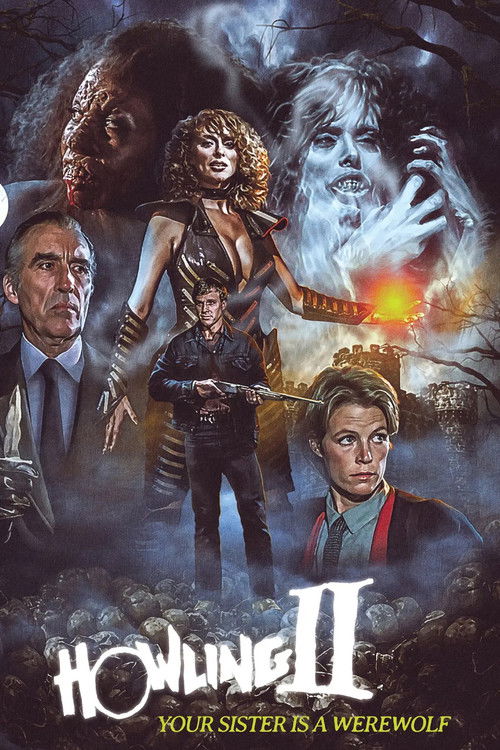
Representation Score
Excellent
1985
RDirector
Philippe Mora
Runtime
91 minutes
Average Rating
No ratings yetNew Showbiz Analysis
Howling II: Stirba - Werewolf Bitch stands out as a transgressive genre piece that actively challenges the social and moral expectations of 1980s horror. Its strongest asset is the disruption of traditional gender roles, replacing the 'damsel in distress' cliché with a female lead defined by ability to act and transformative power. The film also functions as an anti-establishment critique, stripping away the relevance of legal and religious structures in favor of a primal, cult-driven reality. This focus on moral relativism and the deconstruction of Western authority adds a sophisticated layer to the horror elements. However, the film remains limited by its lack of specific LGBTQ+ character arcs and its absence of disability representation. While it challenges sexual norms, it does not provide explicit LGBTQ+ character arcs, leaving the narrative's social subversion somewhat abstract.
Category Breakdown
The film explores sexual liberation and non-traditional sexualities through a remote cult. While it doesn't feature specific LGBTQ+ protagonists, it challenges traditional sexual norms by embracing a primal sexual ethos.
The narrative disrupts traditional gender roles by giving the central female character a significant role in driving the story. Her supernatural transformation shifts her from a victim to a powerful, empowered figure.
Set in the Australian outback, the film features an international, multi-ethnic cast. This diverse ensemble avoids the homogeneity often found in Western-centric productions from the mid-1980s.
The story critiques Western institutions by portraying social and religious norms as irrelevant. It prioritizes a primal, pagan reality and moral relativism over established societal cohesion.
There is no significant representation of neurodivergent or physical disabilities. The supernatural transformations do not depict lived disability experiences or serve as primary narrative drivers.
Present on Screen
Limited or Absent
Official Synopsis
When a young journalist dies in violent circumstances, her brother soon learns, by way of the mysterious Stefan Crosscoe, that his sister has succumbed to the werewolf curse.
2002
1981
1982
1961
2020

1958
2012
1941
No reviews yet. Be the first to share your thoughts on this movie!
Use the rating form above to leave a star rating and optional review.