The Wolfman
2010
No user ratings available yet
Representation score: 2.4 out of 10
Representation Score
Minimal
2012
RDirector
Louis Morneau
Runtime
93 minutes
Average Rating
No ratings yetNew Showbiz Analysis
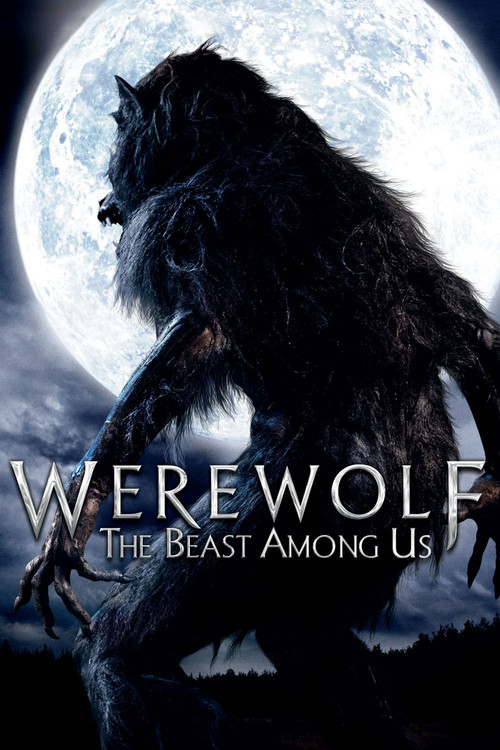
Werewolf: The Beast Among Us is a traditional period-piece horror film that emphasizes atmospheric tension and mystery over contemporary social issues. The narrative adheres strictly to the historical and geographical confines of its 19th-century Quebecois setting, limiting its exploration of diverse social dynamics. While the film avoids harmful stereotypes, it does not actively disrupt established social hierarchies. Instead, it focuses on the psychological impact of isolation and the erosion of communal stability. Ultimately, the film functions as a classic genre piece. Its adherence to historical homogeneity and conventional character roles results in a narrative that lacks progressive representation or complex social commentary.
Category Breakdown
The film does not include any same-sex relationships or characters with non-binary gender identities.
Mélanie Libert plays a significant role in the investigation, but the film relies on typical genre clichés without challenging traditional gender roles.
The casting is mostly uniform, reflecting the demographics of a 19th-century Quebecois village. The film does not feature a wide range of ethnic backgrounds.
The story centers on the breakdown of social order and survivalist fears, avoiding deeper critiques of religion or Western institutions.
The film does not prominently depict characters with visible or invisible disabilities, nor do such characters play central roles in the plot.
Present on Screen
Limited or Absent
Official Synopsis
Set in a 19th century village, a young man studying under a local doctor joins a team of hunters on the trail of a wolf-like creature.
2010

1990
2004
1981
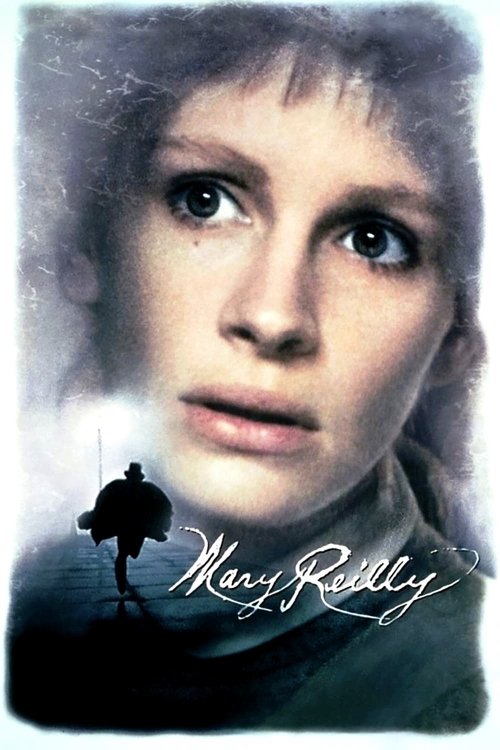
1996
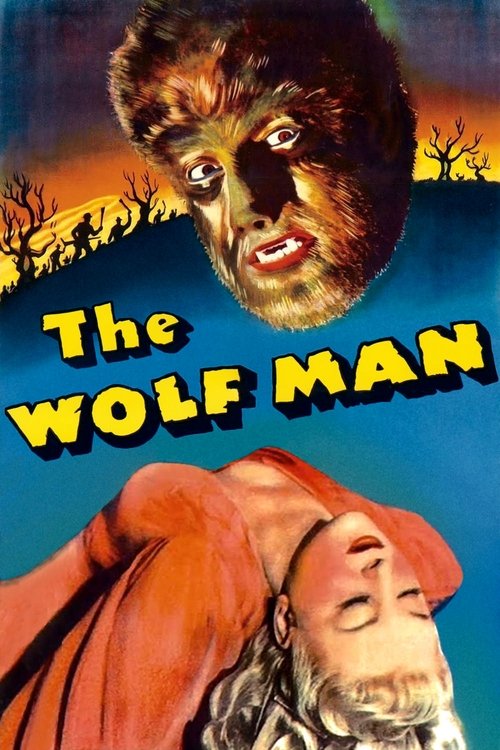
1941
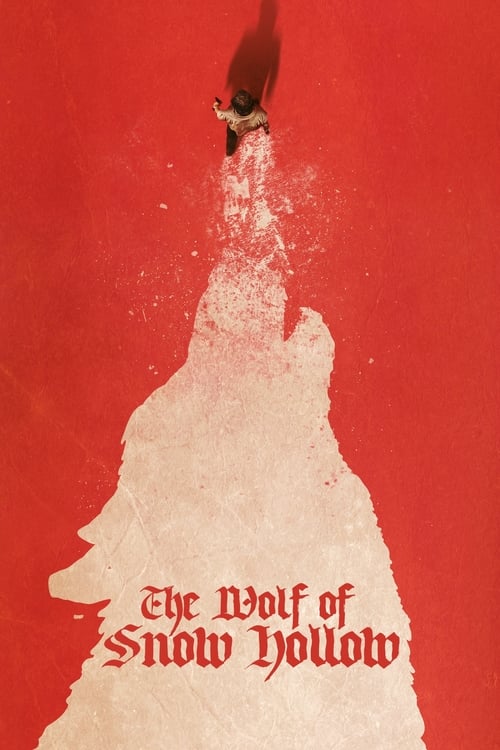
2020
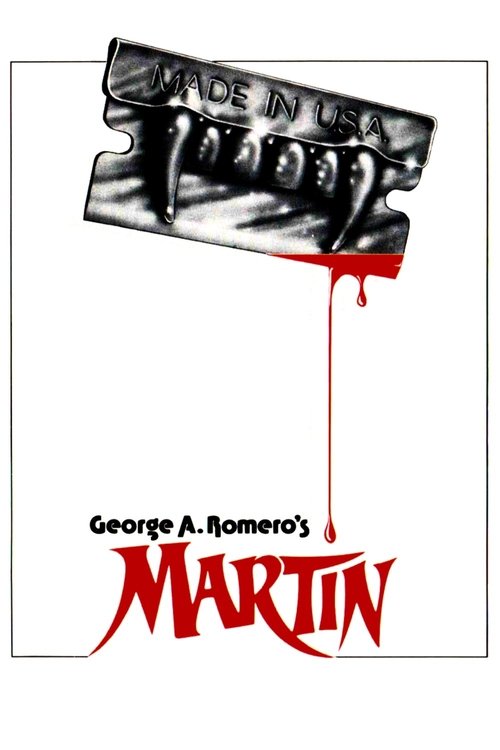
1978
No reviews yet. Be the first to share your thoughts on this movie!
Use the rating form above to leave a star rating and optional review.