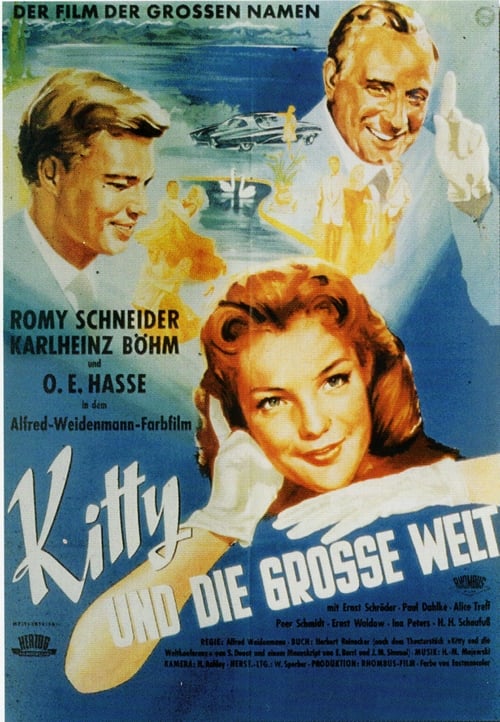
Kitty and the Great Big World
1956
No user ratings available yet
Representation score: 1.6 out of 10
Representation Score
Minimal
1962
NRDirector
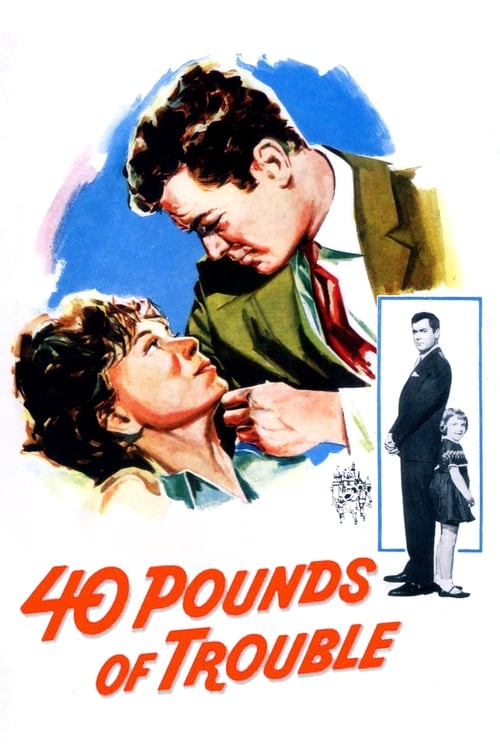
Norman Jewison
Runtime
106 minutes
Average Rating
No ratings yetNew Showbiz Analysis
40 Pounds of Trouble is a conventional family comedy that reflects its temporal context. The film does not attempt to disrupt established social hierarchies or introduce multi-layered representation, instead opting for a standard narrative structure typical of the early 1960s. The production relies on a homogeneous cast and traditional gender roles, centering the comedic interplay around a male authority figure. This adherence to the era's social norms results in a lack of diverse representation across most categories. While the film avoids promoting harmful stereotypes, it remains a non-challenging work. It reinforces Western-centric social standards and middle-class stability without engaging in any meaningful social critique.
Category Breakdown
The film does not include any LGBTQ+ characters or non-cisgender identities. It follows the social norms of the early 1960s without any queer subtext.
The story follows traditional mid-century gender roles, focusing on a male authority figure. Female characters have limited influence and the film does not challenge patriarchal hierarchies.
The cast is predominantly white, reflecting the demographic norms of 1962 American cinema. There is no evidence of diverse ethnic backgrounds or multi-layered representation.
The film highlights middle-class stability and conventional social structures. It uses Western institutions as a stable backdrop without critiquing them.
There are no characters with visible or invisible disabilities. Disability is not used as a central plot device or for character development.
Present on Screen
Limited or Absent
Official Synopsis
Hilarity ensues when a casino manager spends a day at Disneyland with a cute but troublesome little girl.
1956

1960
1967
1977

1956
1964
1964
1969
No reviews yet. Be the first to share your thoughts on this movie!
Use the rating form above to leave a star rating and optional review.