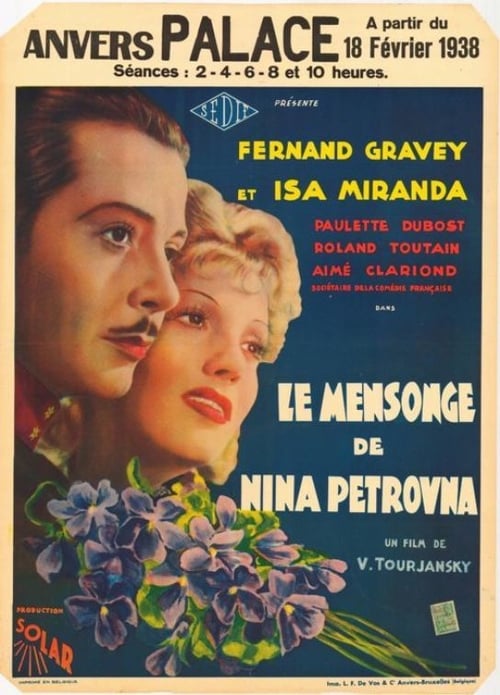
The Lie of Nina Petrovna
1937
No user ratings available yet
Diversity score: 2.3 out of 10
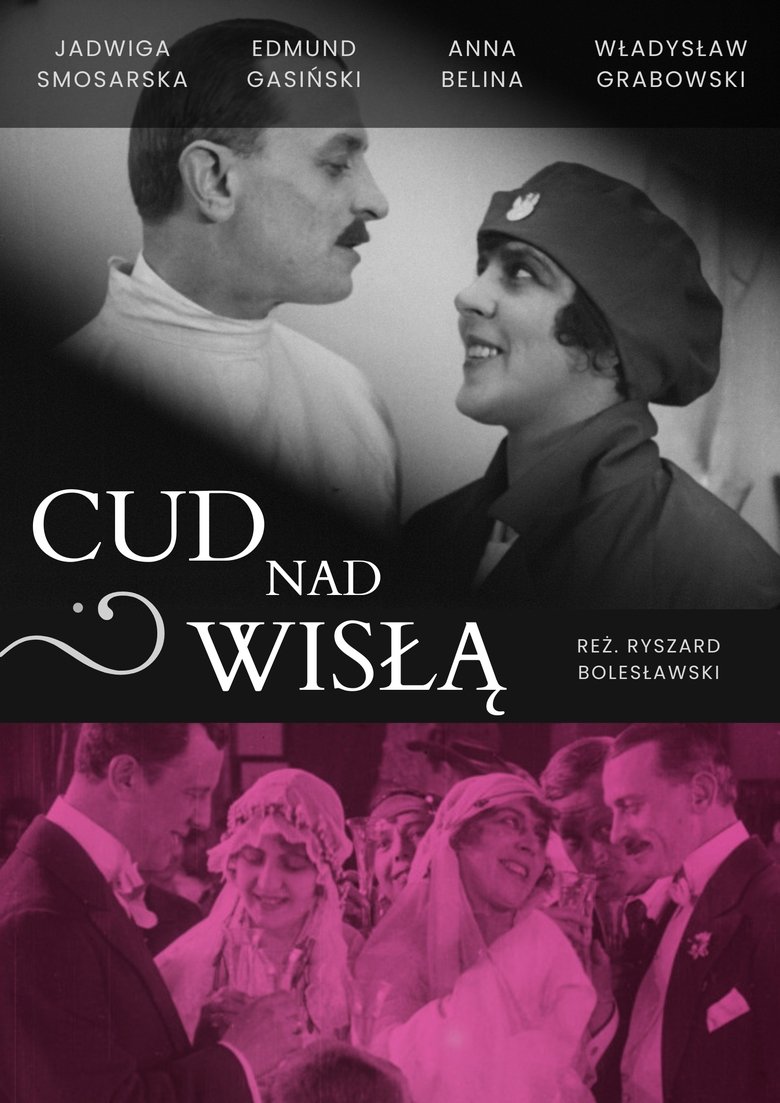
1921
Director
Richard Boleslawski
Runtime
51 minutes
Average Rating
No ratings yetSynopsis
Eastern Borderlands, 1919. The Bolsheviks, taking part in the Polish-Russian war, appear at the Granowski manor house. It's a story based on the war of 1920, which ended with the Battle of Warsaw going down in history as the "Miracle on the Vistula". The film was commissioned by the Propaganda Department of the Ministry of Military Affairs and has survived only in fragments (just 53 minutes out of the 2-hour-long film).
Overall Score
Limited
Category Breakdown
LGBTQ+ Representation
The film offers no evidence of non-heteronormative identities. As a state-commissioned war drama, it aligns with the conservative social structures of 1921.
Gender Representation
The narrative likely relies on traditional gender hierarchies. The war and romance genres suggest roles centered on male heroism and female domesticity.
Racial & Ethnic Diversity
The story focuses on the ethnic conflict between Polish and Bolshevik forces. It prioritizes nationalistic preservation over intersectional or diverse identity representation.
Religious & Cultural Diversity
The film promotes singular nationalistic morality and patriotism. It is deeply rooted in Western institutional values and the defense of the nation-state.
Disability Representation
There is no evidence of characters with visible or invisible disabilities within the surviving fragments or the historical synopsis.
Strengths
Areas for Improvement
AI Analysis
The Miracle at the Vistula functions as a historical artifact of state propaganda rather than a work of social subversion. Commissioned by the Polish Ministry of Military Affairs, its primary goal was to bolster national identity and patriotic fervor during the Polish-Soviet War. Because the film was designed to reinforce national cohesion, it adheres strictly to the dominant cultural and nationalistic hierarchies of the era. The surviving fragments suggest a narrative centered on territorial defense and traditionalist values. Ultimately, the work lacks progressive elements, focusing instead on the preservation of established social structures and the sanctity of the homeland.
1937
1926
2006
1971

1957
1993
2001
1975
1994
1956
1965
1937
No reviews yet. Be the first to share your thoughts on this movie!
Use the rating form above to leave a star rating and optional review.