
Immortal Hero
2019
No user ratings available yet
Diversity score: 4.9 out of 10
2020
PGDirector
Hiroshi Akabane
Runtime
135 minutes
Average Rating
No ratings yetSynopsis
Follows Satoru, a successful businessman who relinquishes everything to pursue his true calling: the happiness of humankind.
Overall Score
Fair
Category Breakdown
LGBTQ+ Representation
The film lacks explicit mention of non-cisnormative identities or same-sex narratives. The story focuses on a singular protagonist's journey toward universal humanitarian themes.
Gender Representation
The narrative centers on Satoru, a male businessman, and his personal evolution. There is little information regarding female agency or the subversion of traditional masculine leadership.
Racial & Ethnic Diversity
Positioned within a Japanese cultural context, the film offers a non-Western perspective. However, there is no evidence of a multi-ethnic cast or diverse racial identities.
Religious & Cultural Diversity
The film explores themes of relinquishing capitalism for humanitarian purpose. This suggests a potential critique of Western corporate structures and traditional definitions of success.
Disability Representation
There is no evidence of characters with visible or invisible disabilities within the narrative.
Strengths
Areas for Improvement
AI Analysis
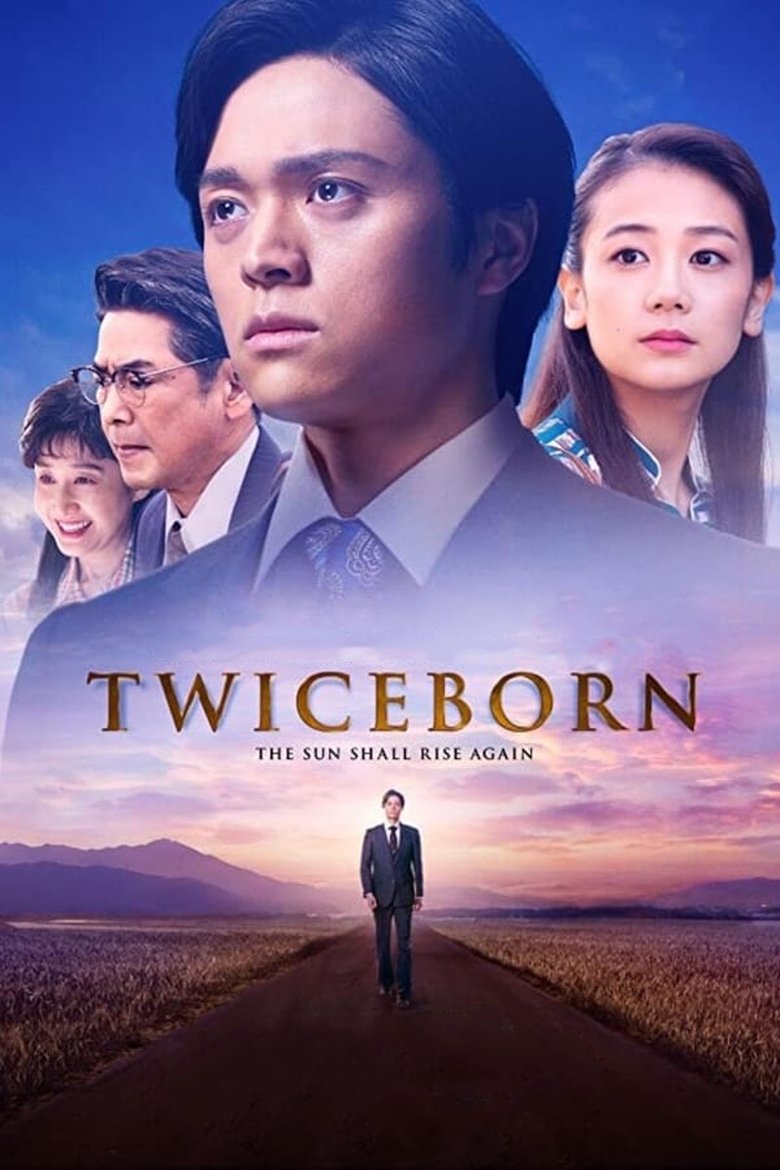
Twiceborn is a character-driven philosophical drama that prioritizes the individualistic journey of its protagonist. The story follows Satoru's transition from a successful businessman to a man seeking the happiness of humankind. While the film provides a non-Western perspective through its Japanese cultural context, it lacks documented evidence of intersectional or identity-driven frameworks. The narrative appears to favor universalist themes over specific social or political representation. Ultimately, the film's focus on a singular male lead and a specific cultural milieu results in a moderate diversity profile that lacks systemic subversion.
2019
2018

1997

2024

2021

2012

2020

2015
2015

2014

2002

2006
No reviews yet. Be the first to share your thoughts on this movie!
Use the rating form above to leave a star rating and optional review.