
Doctor Who: The Aztecs
1964
No user ratings available yet
Representation score: 1.8 out of 10

Representation Score
Fair
1990
Director
Peter Fleischmann
Runtime
119 minutes
Average Rating
No ratings yetNew Showbiz Analysis
Hard to Be a God is a philosophical allegory that prioritizes the deconstruction of power over demographic representation. It uses a science-fiction framework to examine historical cycles of violence and the corruption of social institutions. The film successfully deconstructs religious and authority structures, offering a profound critique of the dichotomy between the civilized and the primitive. However, it scores low in standard representation categories. The narrative focus on sociological allegory leaves little room for nuanced portrayals of LGBTQ+ identities, disability, or women's ability to drive the story.
Category Breakdown
The film doesn't include stories about LGBTQ+ individuals or non-binary gender expressions. It focuses on societal conflicts rather than challenging the idea that everyone is straight or cisgender.
Women are shown as victims of a deeply misogynistic society. While the film criticizes patriarchal structures, female characters often don't have much influence over the plot.
The planet's setting uses a medieval-like demographic to explore human behavior. There's a distinction between technologically advanced outsiders and the less developed local population.
The story effectively breaks down religious and authority structures. It portrays these institutions as sources of superstition, oppression, and systemic ignorance.
Physical pain and injury are used to show brutality. There's no significant focus on neurodivergence or disability as a central theme.
Present on Screen
Limited or Absent
Official Synopsis
Another planet in the period of medieval times. An employee of the institute of experimental history from Earth, who is send under the name of noble don Rumata of Estor as a spy with a mission to contact the local resident of the institute, arrives in the city of Arkanar. But the resident perishes under an unlucky attempt to make a palace coup, and Rumata have to take his place as the resident. Soon he meets all the horrors of the medieval society - a peasant war, palace coups, mass executions. To continue to be an indifferent watcher of all these horrors turns out to be simply impossible...
1964

2014

1964

1989

1967
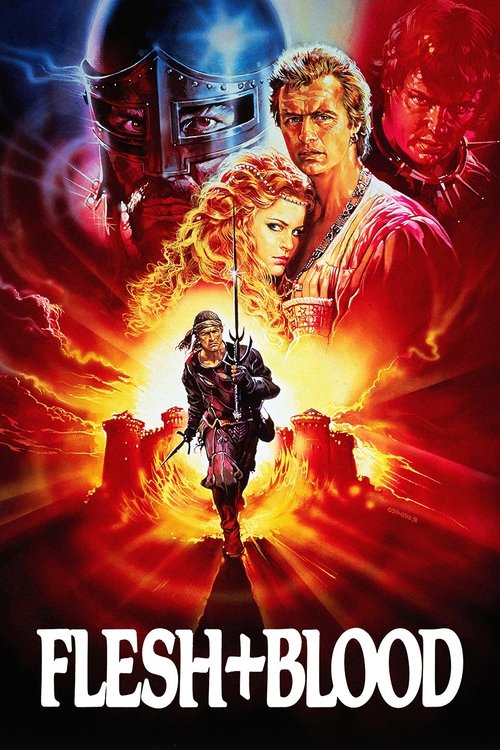
1985

1965

1970
No reviews yet. Be the first to share your thoughts on this movie!
Use the rating form above to leave a star rating and optional review.