
Klimt
2006
No user ratings available yet
Representation score: 4.5 out of 10
Representation Score
Fair
2017
Director
Édouard Deluc
Runtime
97 minutes
Average Rating
No ratings yetNew Showbiz Analysis
Gauguin: Voyage to Tahiti shifts the focus from European centers to a non-Western landscape, challenging the typical Eurocentric focus of historical dramas. However, the film adheres to conventional romantic clichés, with the female lead primarily serving as a muse for the male protagonist's artistic journey. Despite this, the film provides a meaningful cross-cultural perspective and explores anti-colonial themes.
Category Breakdown
The film focuses on a heterosexual relationship between Gauguin and Tehura, with no explicit portrayal of queer identities or non-assuming gender matches what was assigned at birth storylines.
The protagonist is shown in a vulnerable state rather than as a conquering figure. However, Tehura is primarily depicted as a muse, limiting her role in driving the story.
By focusing on indigenous Tahitian characters and a Pacific setting, the film challenges Eurocentric artistic traditions. The cross-cultural marriage disrupts the homogeneity typically found in period dramas.
The film explores anti-colonial themes through the protagonist's rejection of Western societal structures, creating tension between European institutions and indigenous lifestyles.
While the protagonist faces illness, it is unclear whether this is meant to explore disability or simply serves as a standard biographical element.
Present on Screen
Limited or Absent
Official Synopsis
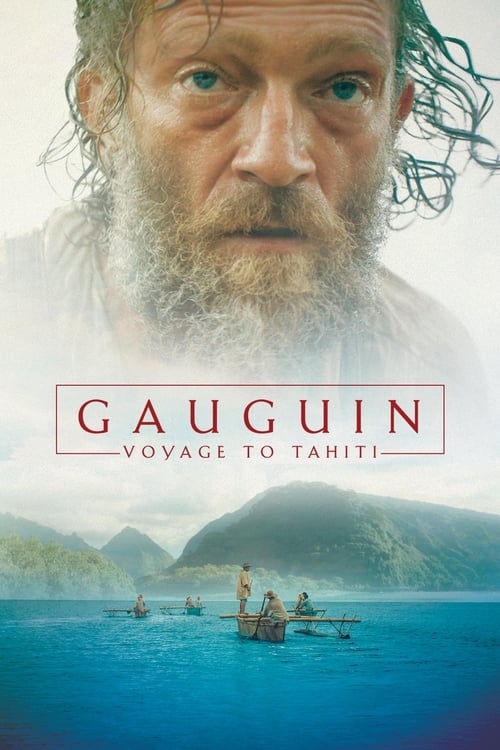
In 1891, the French painter Paul Gauguin leaves Paris and travels to Tahiti to renew his art as a free man, far from the European artistic conventionalism. On his journey of discovery, he faces solitude and disease, but he also knows the beauty of wild nature and the love of Tehura, a young native girl who becomes his wife and model.
2006

1996

2017

1972

2001

2012

2020

1995
No reviews yet. Be the first to share your thoughts on this movie!
Use the rating form above to leave a star rating and optional review.