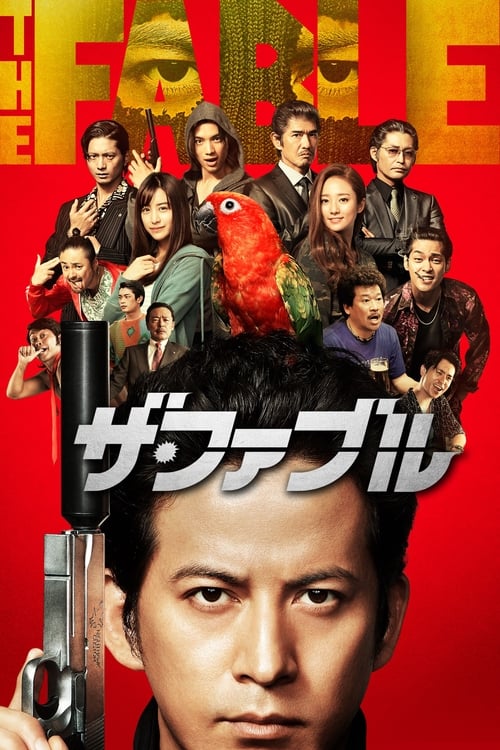
The Fable
2019
No user ratings available yet
Representation score: 2.6 out of 10

Representation Score
Fair
2021
Director
Kan Eguchi
Runtime
132 minutes
Average Rating
No ratings yetNew Showbiz Analysis
The Fable: The Killer Who Doesn't Kill is a genre-driven action-comedy that prioritizes established cinematic traditions. It focuses on a legendary assassin attempting to live a normal life, adhering to conventional character archetypes and social norms. The film lacks intentionality regarding the subversion of identity-based hierarchies. While it provides a localized and contextually accurate depiction of modern Japan, it does not seek to disrupt traditional demographic or gender structures. Ultimately, the narrative functions as a character study of personal reform. It favors comedic momentum and genre clichés over progressive social commentary or the representation of underrepresented groups.
Category Breakdown
The film does not center on non-straight relationships. The narrative focuses on the protagonist's domestic and professional life within a standard social framework.
A traditional hierarchy centers on the male lead. While women hold significant roles as handlers and colleagues, the central role remains with the male protagonist.
The cast is largely homogeneous, reflecting a localized Japanese setting. The story operates within a culturally specific framework without utilizing diverse casting or ethnic metaphors.
The story explores the tension between professional violence and mundane capitalist life. It treats social etiquette and employment as personal comedic challenges rather than systemic critiques.
Characters with disabilities are not portrayed with ability to act. The protagonist's social awkwardness serves as a comedic device rather than a nuanced exploration of neurodivergence.
Present on Screen
Limited or Absent
Official Synopsis
Akira is the legendary killer known as the Fable. Following the order of his boss and due to being overworked, he lives peacefully with his partner, Yoko, as ordinary siblings. Akira still works part-time at design company Octopus with CEO Takoda and employee Misaki. CEO Takoda and Misaki are unaware of Akira's background as an assassin. Meanwhile, Utsubo is a representative for an NPO. But, Utsubo works with contract killer Suzuki to set people up for extortion purposes. They target someone at design company Octopus.
2019
2000
2023
2007
2013
2010

2019
1998
No reviews yet. Be the first to share your thoughts on this movie!
Use the rating form above to leave a star rating and optional review.