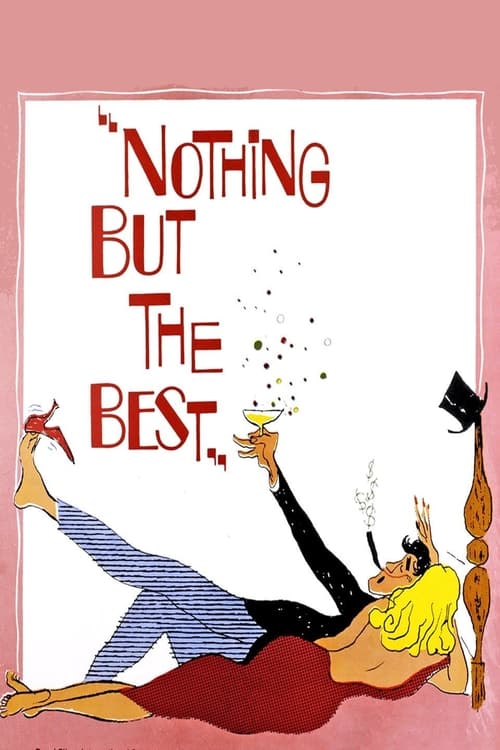
Nothing But the Best
1964
No user ratings available yet
Representation score: 2.5 out of 10
Representation Score
Minimal
1965
ApprovedDirector
Andrew L. Stone
Runtime
112 minutes
Average Rating
No ratings yetNew Showbiz Analysis
The film follows a conventional adventure-comedy structure that emphasizes individual heroics and traditional social hierarchies. It upholds mid-century norms and validates established paths to success. Representation is limited, focusing on a homogeneous cast and traditional gender roles. The narrative does not engage with multi-layered identities or systemic critiques.
Category Breakdown
The film does not include any characters with non-binary or LGBTQ+ identities, nor does it show any same-sex relationships. The movie adheres strictly to the heterosexual norms of the 1960s.
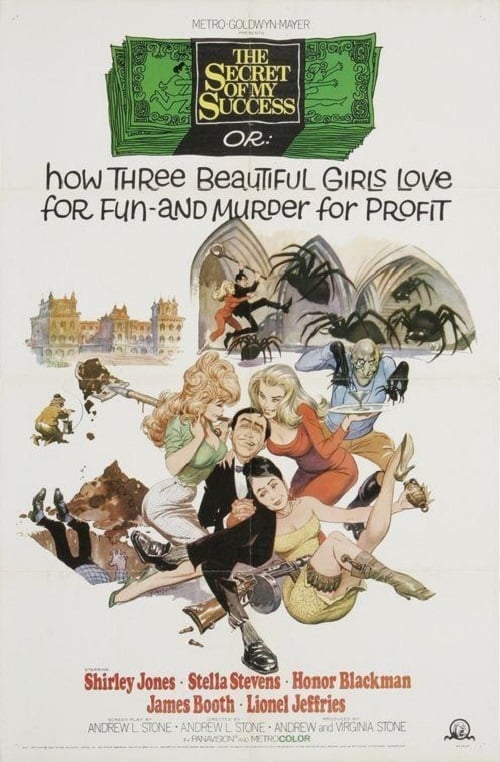
Arthur Tate embodies the role of the active hero, while his mother acts as a stabilizing force. The story reinforces traditional masculine roles through the protagonist's journey.
The cast appears predominantly white, with non-Western settings used mainly as plot devices. Characters from diverse ethnic backgrounds have little meaningful influence in the story.
The story celebrates individual success within Western capitalist structures. It reinforces the idea that authority and professional advancement come from merit.
The film does not portray any characters with visible or invisible disabilities. It does not address disability identity or neurodivergent experiences.
Present on Screen
Limited or Absent
Official Synopsis
Arthur Tate is a dull-minded, low-ranking police officer in a small English town. However, with help from his kindly, perceptive mother, Arthur solves a murder committed by a local seamstress, takes down a baroness who has been breeding terrifyingly large spiders, stops a revolutionary attempting to overthrow a Third World government, and might just manage to secure a big promotion.
1964
1964

1968

1960
1952
1981
1966
1964
No reviews yet. Be the first to share your thoughts on this movie!
Use the rating form above to leave a star rating and optional review.