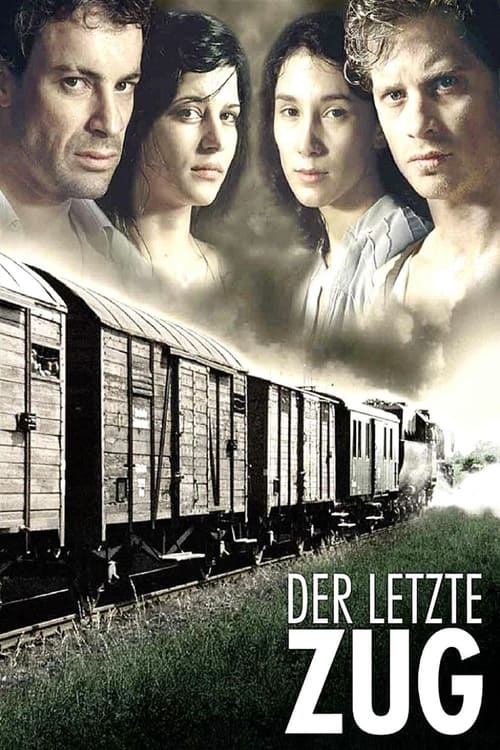
The Last Train
2006
No user ratings available yet
Representation score: 4.6 out of 10
Representation Score
Limited
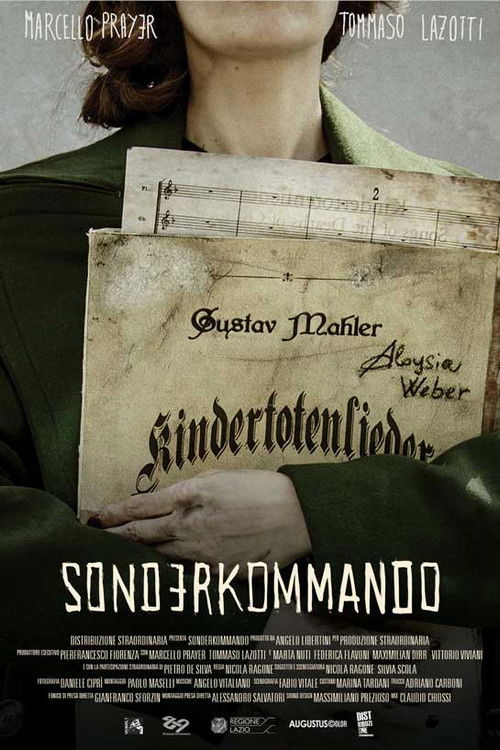
2014
Director
Nicola Ragone
Runtime
19 minutes
Average Rating
No ratings yetNew Showbiz Analysis
Sonderkommando is a minimalist historical drama set in a Nazi concentration camp, exploring the dismantling of human ability to act due to systemic oppression. Its narrative strength lies in its critique of systemic oppression and the failure of institutional morality during the Holocaust. By focusing on the perspectives of the oppressed, the film provides a strong foundation for cultural critique. However, the film lacks explicit representation for several categories, such as LGBTQ+ identities or disability-specific narratives. The narrow focus on a historical tragedy limits the exploration of diverse identities, leaving little room for detailed demographic data.
Category Breakdown
The film does not explicitly include LGBTQ+ characters or relationships that challenge the assumption that everyone is straight or cisgender. Although two strangers share a connection, there is no clear indication of queer subtext.
The film focuses on the shared vulnerability of two strangers facing systemic erasure. However, without specific character arcs, the gender dynamics remain largely unexplored.
Set in a context where underrepresented ethnic groups face systemic persecution, the film highlights the victimization of those considered 'other' by the regime. The Sonderkommando role underscores this theme.
The film critiques Western totalitarianism and the collapse of morality, centering on victims to challenge the authority of state-driven genocide and corrupt political structures. It emphasizes the perspectives of those affected by oppressive systems.
While the story depicts cold and pain, there is no evidence of neurodivergence or sensory disabilities being portrayed as central character traits or ability to act-driven arcs.
Present on Screen
Limited or Absent
Official Synopsis
A train, a trip, a destination. Two strangers start to look each other while travelling in a couch of a train. Cold, pain, farewell. Arrived at the destination one of them is chosen to be a labourer of the Death in a Nazi concentration camp, a Sonderkommando.
2006
2001

2015
2015
1948

2005

1984
2020
No reviews yet. Be the first to share your thoughts on this movie!
Use the rating form above to leave a star rating and optional review.