Austerlitz
1960
No user ratings available yet
Representation score: 0.8 out of 10
Representation Score
Minimal
1938
ApprovedDirector
Edward L. Cahn
Runtime
11 minutes
Average Rating
No ratings yetNew Showbiz Analysis
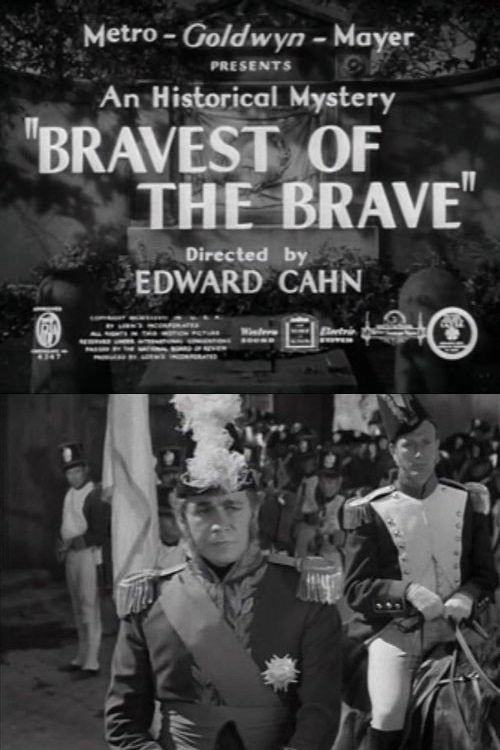
Bravest of the Brave is a traditional biographical tribute to Michel Ney, a Marshal of France. The film adheres to the standard cinematic conventions of 1938, focusing on historical military achievement rather than diverse social perspectives. The narrative structure emphasizes masculine leadership and the Napoleonic era. This focus naturally prioritizes European military aristocracy and traditional hierarchies, offering very little room for exploring multiple aspects of identity. Ultimately, the film functions as a patriotic celebration of a specific historical figure. It reinforces the social and gendered clichés of its era without attempting to deconstruct Western institutions or explore diverse cultural perspectives.
Category Breakdown
The film focuses on Napoleonic military history, emphasizing traditional masculine camaraderie. There is no indication of non-binary or LGBTQ+ identities or critiques of the assumption that everyone is straight.
The narrative centers on masculine leadership and martial prowess. It likely reinforces traditional gender hierarchies by focusing on male control over the story and peripheral female roles.
The story centers on a French Marshal, suggesting a narrative focused on European military aristocracy. It likely reflects a Eurocentric historical perspective.
The film celebrates traditional Western military achievement and national heroism. It portrays historical figures through a lens of patriotism and institutional loyalty.
There is no documented evidence regarding the portrayal of physical or neurodivergent characters in this biographical short.
Present on Screen
Limited or Absent
Official Synopsis
This short film looks at the life of Michel Ney, who fought at Napoleon's side and was made a Marshall of France.
1960
1951
1929
1944
1910
1927
1953

1970
No reviews yet. Be the first to share your thoughts on this movie!
Use the rating form above to leave a star rating and optional review.