Storming Heaven
2016
No user ratings available yet
Representation score: 5.6 out of 10
Representation Score
Good
2011
TV-14Director
Shane O'Sullivan
Runtime
88 minutes
Average Rating
No ratings yetNew Showbiz Analysis
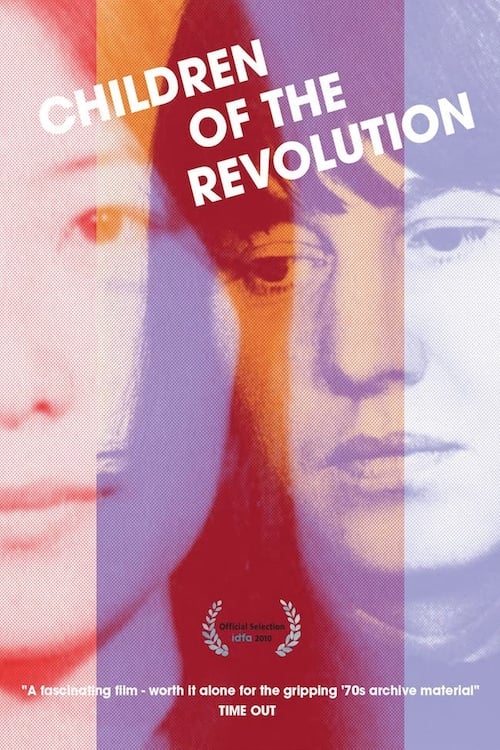
Shane O'Sullivan's documentary reframes historical volatility by focusing on the roles of radicalized individuals. By centering female leaders of the Baader-Meinhof Group and the Japanese Red Army, the film disrupts male-centric political hierarchies. The film succeeds in its transnational scope, connecting German and Japanese movements to provide a global view of systemic upheaval. This approach moves beyond state-level diplomacy to examine the fringes of social orders. While the film excels in gender and cultural critique, it lacks specific details regarding LGBTQ+ intimacy or disability representation. However, its focus on the 1968 era provides a strong thematic foundation for discussing non-traditional identities.
Category Breakdown
The film explores the 1968 counterculture, a period marked by the emergence of non-traditional identities. While specific queer relationships are not detailed, the era's challenge to the assumption that everyone is straight or cisgender provides thematic relevance.
The documentary challenges traditional hierarchies by centering women as primary drivers of political change. It elevates female leaders from passive observers to central, active actors within militant political conflicts.
A transnational lens connects the experiences of activists in Germany and Japan. This approach avoids a Western-centric perspective by examining revolutionary sentiment across different ethnic and geographic contexts.
The narrative critiques traditional Western institutions, capitalism, and state authority. It prioritizes systemic critique by examining the motivations of those who viewed established social orders as oppressive.
There is insufficient evidence to evaluate the representation of physical or neurodivergent disabilities within the film.
Present on Screen
Limited or Absent
Official Synopsis
Inspired by the student revolutions of 1968, two women in Germany and Japan set out to plot world revolution as leaders of the Baader Meinhof Group and the Japanese Red Army. What were they fighting for and what have we learned?
2016
2015
2002

2013
1978
1967
2023
2012
No reviews yet. Be the first to share your thoughts on this movie!
Use the rating form above to leave a star rating and optional review.