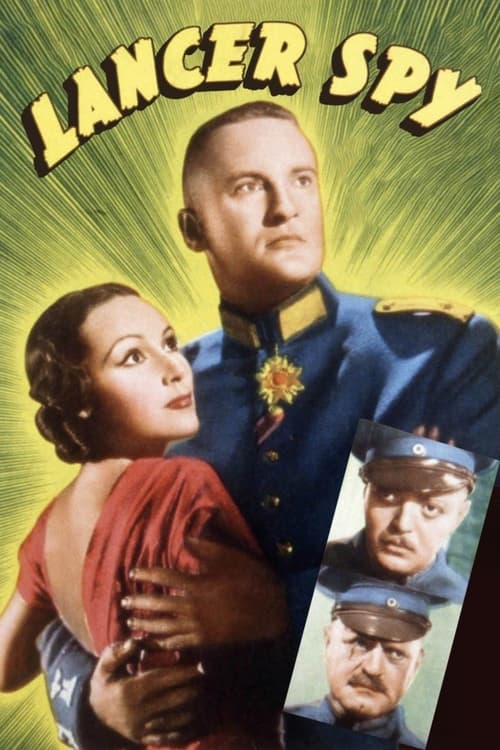
Lancer Spy
1937
No user ratings available yet
Representation score: 2.5 out of 10
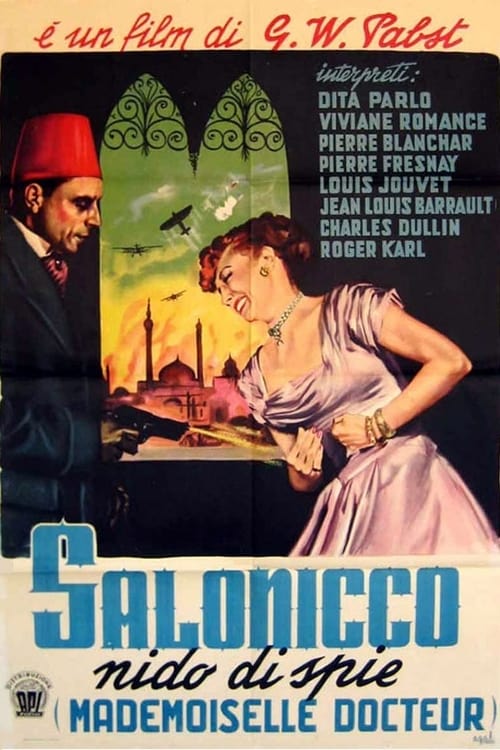
Representation Score
Fair
1937
Director
G.W. Pabst
Runtime
116 minutes
Average Rating
No ratings yetNew Showbiz Analysis
Street of Shadows stands out for its subversion of 1930s gender norms by placing a powerful female spy at the center of a geopolitical thriller. This film grants her significant control and intellectual dominance over her male counterparts. However, the film remains limited by the conventions of its time. It lacks explicit LGBTQ+ representation and does not address characters with disabilities. Additionally, while the setting offers a rich, multi-ethnic backdrop, the narrative focuses more on individual character development rather than broad multi-layered themes.
Category Breakdown
The film does not include any explicit LGBTQ+ characters or situations that challenge traditional heterosexual norms. The relationship dynamics follow typical thriller clichés centered around heterosexual relationships.
The narrative centers around a female spy who drives the tension and demonstrates significant control and intellectual superiority over the male characters, disrupting traditional gender hierarchies.
Set during World War I in Thessaloniki, the film showcases a multi-ethnic Mediterranean environment. However, while the historical context hints at diverse cultural influences, there is no confirmed presence of non-white lead roles.
The film explores themes of espionage and shifting national loyalties, questioning the stability of traditional institutions. It leans towards moral relativism by depicting characters operating outside conventional patriotic certainties.
The film does not mention any characters dealing with physical or neurodivergent disabilities.
Present on Screen
Limited or Absent
Official Synopsis
A slippery femme fatale, a spy for Germany during the Great War, is sent to Thessaloniki in Greece and becomes involved with a man on the other side, a French military officer.
1937
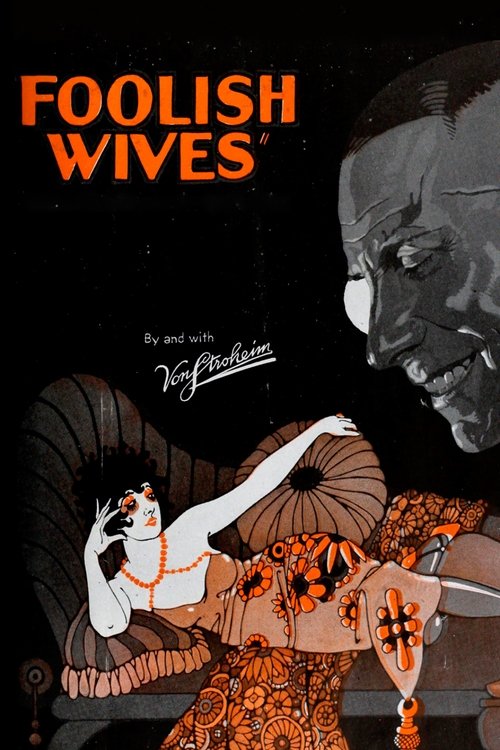
1922
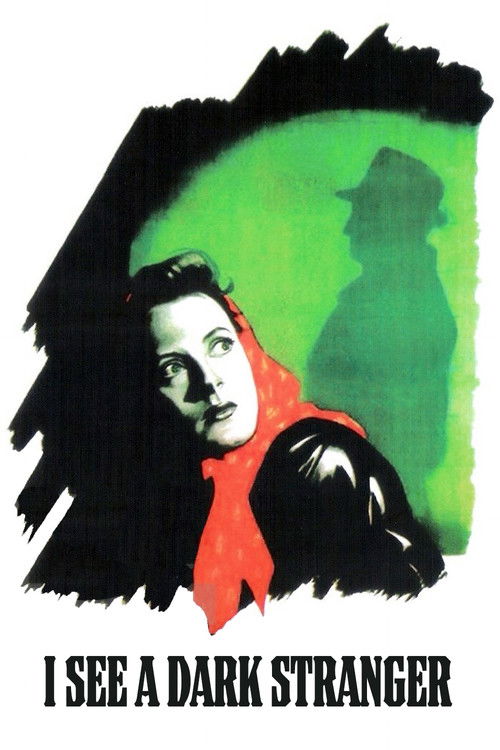
1946
1952
1945
1936
1944
1935
No reviews yet. Be the first to share your thoughts on this movie!
Use the rating form above to leave a star rating and optional review.