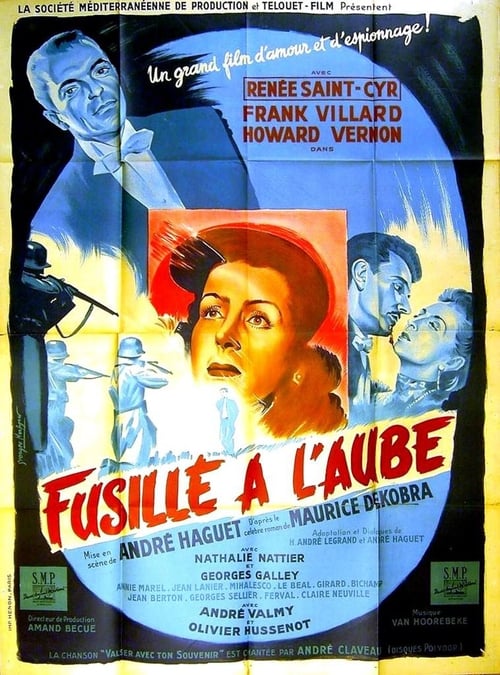
Secret Document: Vienna
1950
No user ratings available yet
Representation score: 2.0 out of 10

Representation Score
Limited
1937
Director
Edmond T. Gréville
Runtime
79 minutes
Average Rating
No ratings yetNew Showbiz Analysis
Secret Lives is a period drama that finds its strength in subverting traditional gender roles. By centering the narrative on a female spy, the film presents a woman defined by professional competence and strategic intellect rather than domestic passivity. However, the film remains limited by the social hierarchies of 1930s European cinema. The focus is strictly on European national identities, and the protagonist's influence is ultimately constrained by the need for a traditional marriage to secure her residency. While the film offers a nuanced look at shifting national allegiances, it lacks broader representation of race, disability, or LGBTQ+ identities, remaining a product of its specific geopolitical and temporal context.
Category Breakdown
The film does not depict any non-straight relationships or same-sex intimacy. The main plot centers around a politically motivated marriage that adheres to the heterosexual norms of the time.
The protagonist challenges traditional femininity by acting as a highly influential spy with significant intellectual depth. However, her survival is tied to a marriage, indicating a reliance on traditional patriarchal structures.
The story focuses on German, French, and Swiss identities, operating within a Eurocentric framework. There is no indication of racial diversity beyond these European ethnic groups.
The narrative explores the complexities of national loyalty and the experience of being an outsider. It challenges singular patriotism by showing a German woman working for French interests during wartime.
There is no evidence of characters with visible or invisible disabilities within the film.
Present on Screen
Limited or Absent
Official Synopsis
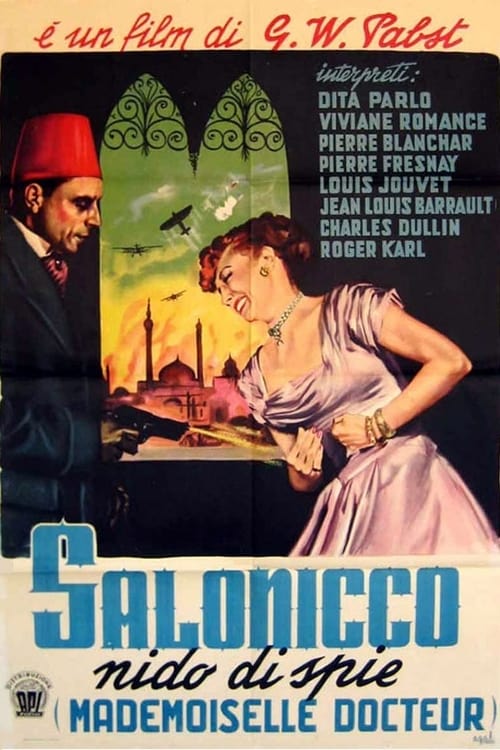
A German-born woman works as a spy for the French in Switzerland during the First World War, and has to marry an interned French lieutenant in order to be able to stay in the country.
1950

1952
2003
1922
1930

1980
1937

2020
No reviews yet. Be the first to share your thoughts on this movie!
Use the rating form above to leave a star rating and optional review.