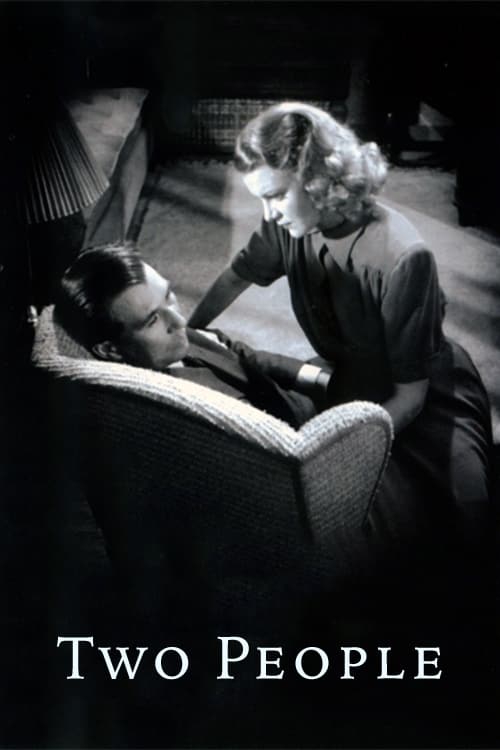
Two People
1945
No user ratings available yet
Representation score: 1.4 out of 10
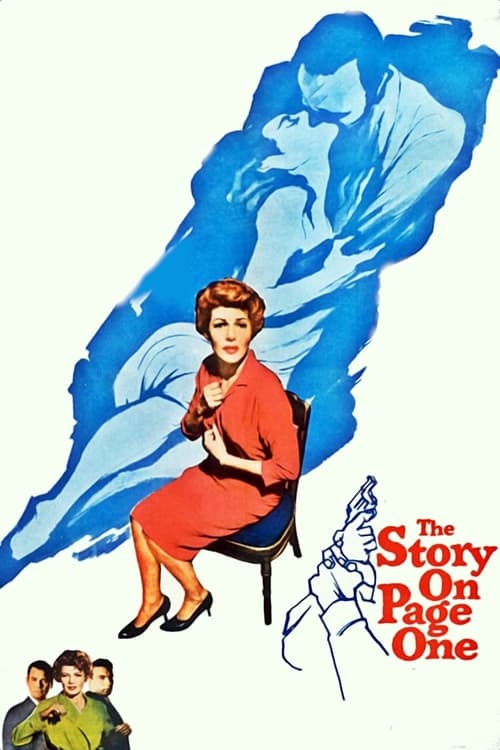
Representation Score
Minimal
1959
NRDirector
Clifford Odets
Runtime
123 minutes
Average Rating
No ratings yetNew Showbiz Analysis
The film functions as a character study centered on individual ability to act within the rigid social and legal structures of the late 1950s. While it offers a critique of domestic stagnation through Josephine's loveless marriage, this disruption is limited to interpersonal morality rather than broader social hierarchies. The production lacks demographic breadth, focusing instead on a homogeneous cast and a narrative driven by a heterosexual central conflict. It prioritizes the legal drama of a high-profile trial over any meaningful characters who reflect more than one aspect of diversity. Ultimately, the film is a product of its era, examining the friction between personal desire and institutional judgment without engaging with racial, ethnic, or identity-based diversity.
Category Breakdown
The film focuses solely on a heterosexual relationship and its legal consequences. It does not depict any non-straight identities or same-sex intimacy.
Josephine Morris is a central figure, but her role is limited by mid-century marital expectations. The narrative highlights the stagnation of traditional domesticity through her loveless marriage.
The cast and setting are predominantly homogeneous, reflecting 1959 cinematic standards. There is no visible effort toward racial integration or inclusion of non-Anglo-Saxon characters.
The story explores moral relativism by framing an affair as a search for companionship. However, it remains heavily shaped by traditional moral policing and legal institutions.
There are no visible or invisible disabilities portrayed. No characters appear to navigate the world through the lens of disability.
Present on Screen
Limited or Absent
Official Synopsis
An adulterous couple is accused of murder after the woman's husband is shot and killed during a scuffle. A high-profile court case tells the story.
1945
1950
1936
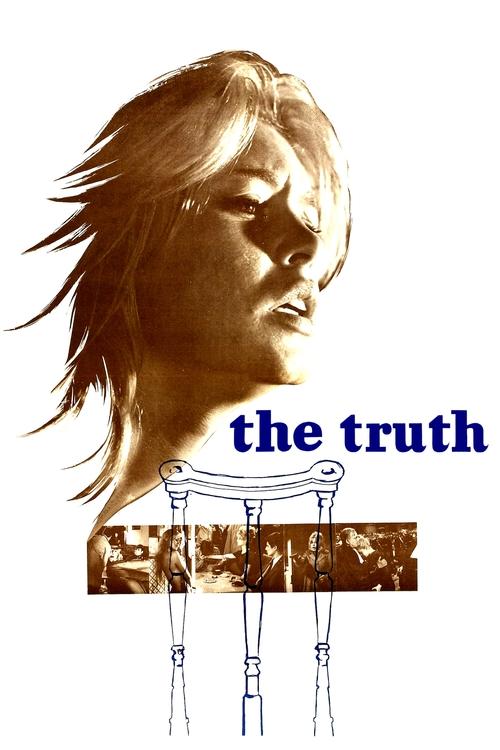
1960
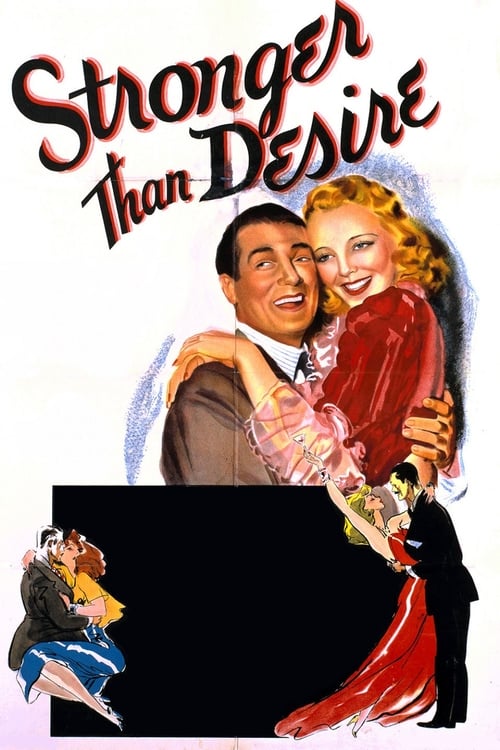
1939
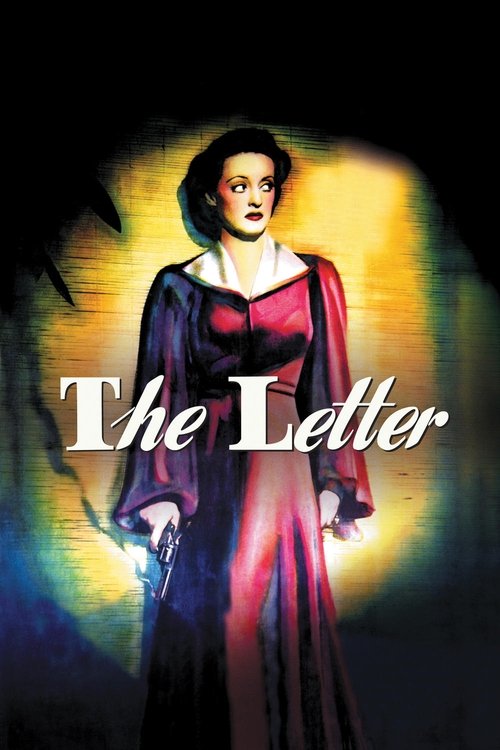
1940
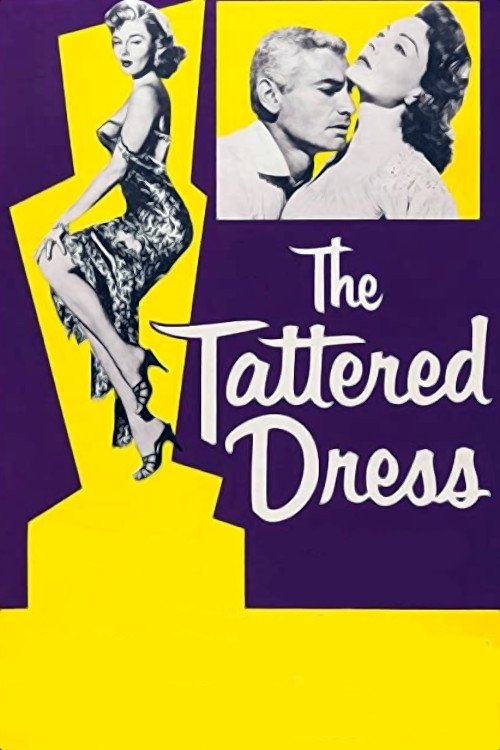
1957
1950
No reviews yet. Be the first to share your thoughts on this movie!
Use the rating form above to leave a star rating and optional review.