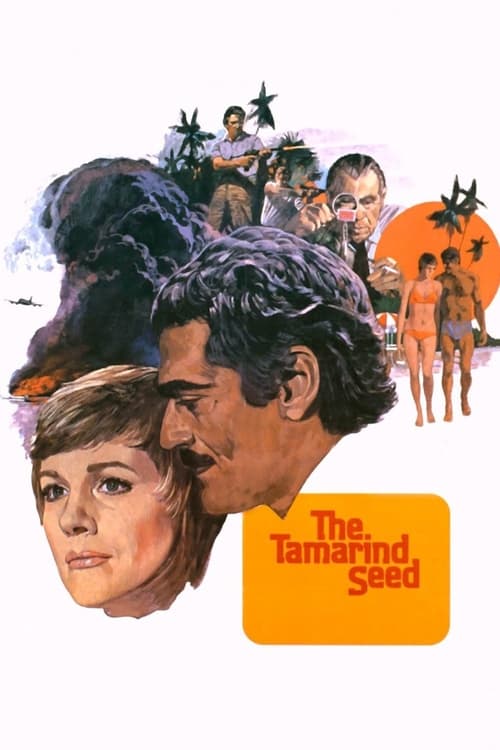
The Tamarind Seed
1974
No user ratings available yet
Representation score: 1.1 out of 10

Representation Score
Fair
1987
RDirector
Michael Radford
Runtime
107 minutes
Average Rating
No ratings yetNew Showbiz Analysis
White Mischief is a study of moral decay within the colonial aristocracy. It succeeds in challenging mid-century gender hierarchies by centering female autonomy and desire over domestic submission. However, the film is deeply limited by its narrow racial focus. By centering almost exclusively on the white settler community, it ignores the local Kenyan context and the indigenous population entirely. Ultimately, the film offers a progressive deconstruction of Western social norms and imperialist structures, even as it remains a homogeneous portrait of a specific, privileged social set.
Category Breakdown
The film focuses on heterosexual infidelity and extramarital affairs. It includes non-traditional relationship structures but lacks central LGBTQ+ identities or character arcs.
The narrative centers on women's ability to drive the story, particularly through Lady Idina Sackville. Women show high autonomy and social rebellion, often challenging traditional patriarchal marriage structures.
The cast is predominantly white and Anglo-Saxon, reflecting the British colonial expatriate class. The narrative largely ignores the indigenous Kenyan population to focus on the settler community.
The film critiques Western institutional stability by portraying the British upper class as morally bankrupt. It deconstructs imperialist social structures through a lens of hedonism and decadence.
There are no prominent depictions of physical or neurodivergent disabilities that drive the narrative or serve as central character traits.
Present on Screen
Limited or Absent
Official Synopsis
A millionaire past his prime and his young wife arrive in Kenya circa 1940 to find that the other affluent British expatriates are living large as the homefront gears up for war. They are busy swapping partners, doing drugs, and attending lavish parties and horse races. She begins a torrid affair with one of the bon vivants, and her husband finds out and confronts them. The husband and wife decide to break up peacefully, but the bon vivant is murdered and all the evidence points to the husband.
1974
1938
1937
1991
1962

1989

1991
1943
No reviews yet. Be the first to share your thoughts on this movie!
Use the rating form above to leave a star rating and optional review.