Two Bagatelles
1953
No user ratings available yet
Representation score: 1.6 out of 10
Representation Score
Minimal
1952
Not RatedDirector
Norman McLaren
Runtime
9 minutes
Average Rating
No ratings yetNew Showbiz Analysis
Norman McLaren’s *Neighbours* is a formalist masterpiece that focuses on thematic allegory rather than demographic representation. By using sand animation to create abstract, non-humanoid shapes, the film removes individual identity to highlight the mechanics of conflict. Since the characters are undifferentiated entities, the film avoids traditional identity markers such as race, gender, or sexual orientation. This abstraction prevents the inclusion of storytelling that reflects multiple aspects of identity. Ultimately, the film serves as a visual parable about human aggression. While it lacks diversity in a traditional sense, it offers a profound critique of the breakdown of the social contract through its depiction of escalating violence.
Category Breakdown
The film uses abstract sand figures that don't indicate gender or sexuality. There are no characters with non-straight identities or critiques of the idea that everyone is straight.
The story doesn't show any differences between genders. Characters are presented as undifferentiated entities, avoiding any discussion of masculinity or femininity.
The use of sand animation and non-representational forms avoids racial and ethnic categories. The lack of human features prevents the use of racial stereotypes.
The film critiques social harmony by showing the cycle of retaliation. It depicts the total collapse of community and destructive territorialism.
No characters have physical, sensory, or neurodivergent traits. The abstract animation style doesn't allow for disability representation.
Present on Screen
Limited or Absent
Official Synopsis
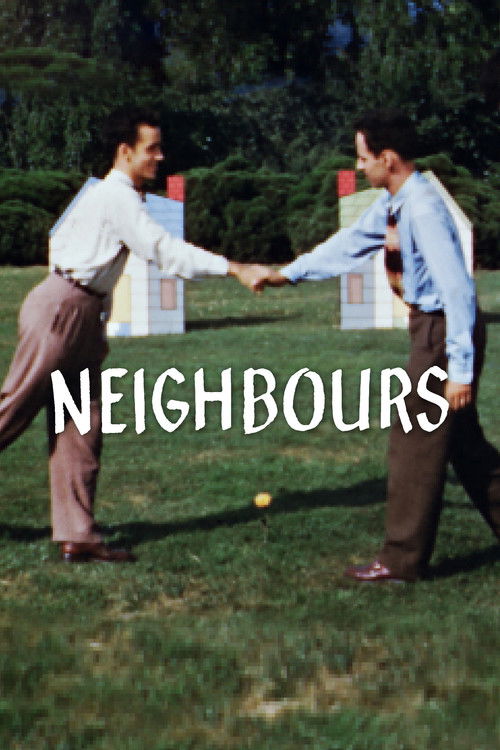
In this Oscar-winning short film, Norman McLaren employs the principles normally used to put drawings or puppets into motion to animate live actors. The story is a parable about two people who come to blows over the possession of a flower.
1953
1957
1906
1988

1942
1938
1990
1976
No reviews yet. Be the first to share your thoughts on this movie!
Use the rating form above to leave a star rating and optional review.