
Monsieur Pointu
1976
No user ratings available yet
Representation score: 3.5 out of 10
Representation Score
Fair
1957
Not RatedDirector
Claude Jutra, Norman McLaren
Runtime
10 minutes
Average Rating
No ratings yetNew Showbiz Analysis
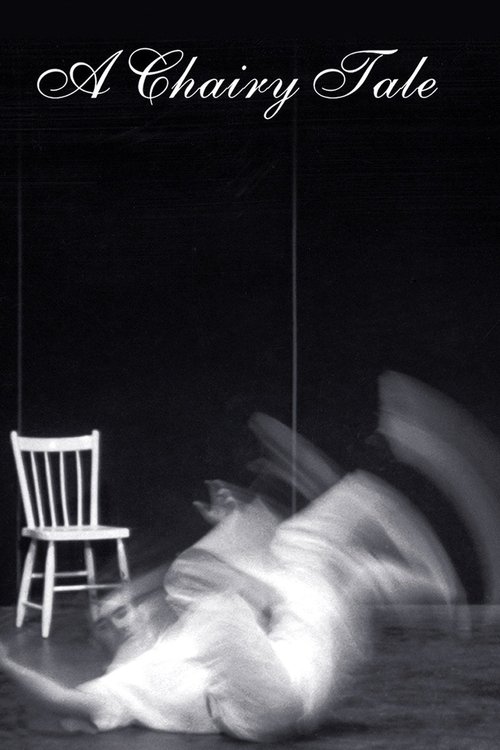
A Chairy Tale is a minimalist disruption of conventional storytelling. By focusing on an anthropomorphic object rather than human characters, the film avoids many traditional social hierarchies while also limiting its ability to depict specific identity-based representation. The film's strength lies in its challenge to utility and domestic order. The chair's refusal to perform its expected function questions the rigid, functionalist norms often found in Western households. However, the lack of human characters means the film cannot directly address racial, gendered, or LGBTQ+ identities. It operates in an abstract space that prioritizes non-conformity over social representation.
Category Breakdown
The film doesn't explicitly include LGBTQ+ identities, but its non-human focus creates a narrative that exists outside of traditional heterosexual social structures.
By giving an inanimate object its own role, the film sidesteps traditional gender hierarchies. The chair's refusal to be used disrupts the usual power dynamic between objects and users.
There are no visible human characters to assess for racial or ethnic diversity. The abstract setting avoids reinforcing traditional racial hierarchies.
The story subtly critiques Western domestic order. By showing an object that resists its intended use, it prioritizes individual experience over strict societal norms.
The chair’s resistance to conformity can be seen as a reflection of neurodivergence. This focus on autonomy moves the story away from 'broken' stereotypes toward a character-driven arc of independence.
Present on Screen
Limited or Absent
Official Synopsis
An ordinary-looking chair refuses to be sat upon.
1976

1969

1951
1968

1979

1948
1965
1952
No reviews yet. Be the first to share your thoughts on this movie!
Use the rating form above to leave a star rating and optional review.