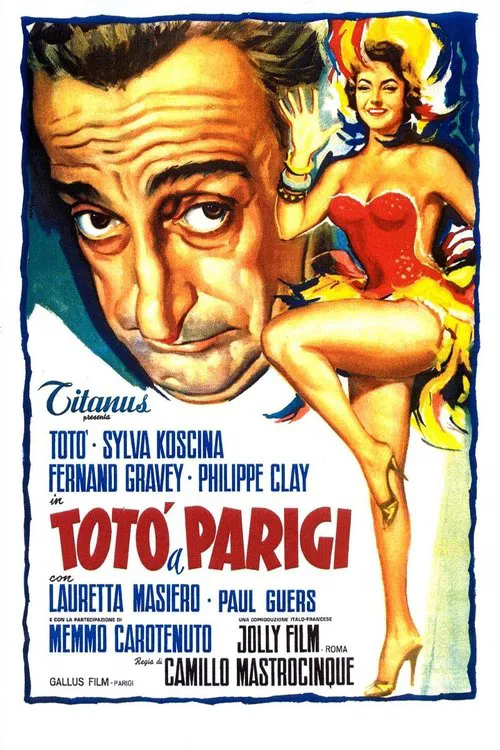
Toto in Paris
1958
No user ratings available yet
Representation score: 2.3 out of 10

Representation Score
Minimal
1957
Director
Sacha Guitry
Runtime
85 minutes
Average Rating
No ratings yetNew Showbiz Analysis
Sacha Guitry’s comedy relies on established archetypes and situational irony rather than disrupting social hierarchies. The film functions as a mid-century farce that prioritizes classical clichés over a multi-layered approach. The narrative structure revolves around masculine roles, such as the ambitious criminal and the authoritative Commissaire. This focus limits the scope of gendered ability to act within the story. Ultimately, the film reflects the cinematic norms of its era. It maintains a localized, homogeneous social framework that lacks the inclusion of diverse cultural perspectives.
Category Breakdown
The film does not include any explicit LGBTQ+ characters or non-cisgender identities. It follows a traditional comedic structure focused on mistaken identity and physical humor.
The story centers on male-driven conflicts involving gangsters, law enforcement, and clowns. Male characters play prominent roles, suggesting a traditional gender hierarchy.
The story operates within a homogeneous social framework typical of 1957 French cinema. There is no indication of a diverse cast or the blending of racial identities.
The plot uses Western institutions like the law and media for comedic effect. However, it does not engage in systemic critiques of religion or morality.
There is no information regarding characters with visible or invisible disabilities, neurodivergence, or chronic illness.
Present on Screen
Limited or Absent
Official Synopsis
Jojo’s ambition is to become a gangster, but to be admitted into a gang he has to prove himself by committing a daring act. To that end, he kills someone in broad daylight, not knowing that his victim is an actor who is playing a scene in a film directed by a cranky film-maker (Darry Cowl). The murder is caught on film, leading Commissaire Bernard (Michel Simon) to think that the killer will be easy to find. Sure enough, Bernard soon makes his arrest, a clown from a circus, but then he faces an almost insurmountable problem. The clown has an identical twin, who is also a clown with the same circus. Both men claim to be innocent…
1958
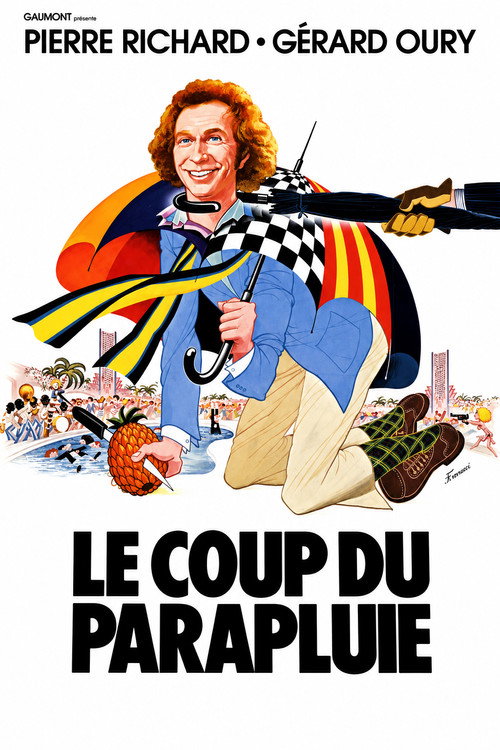
1980
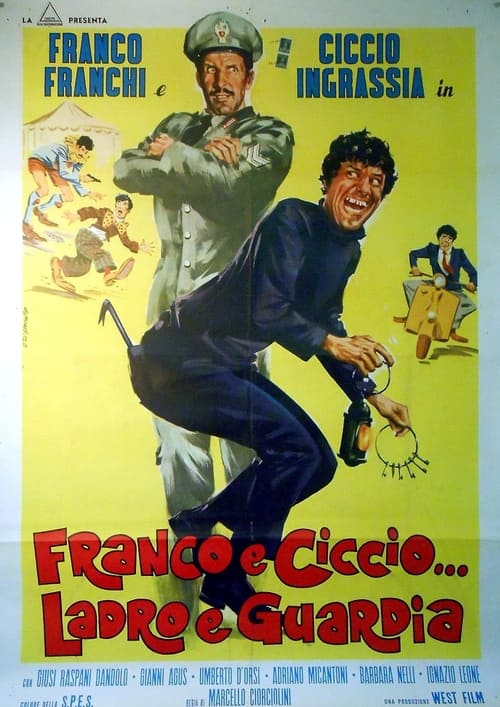
1969
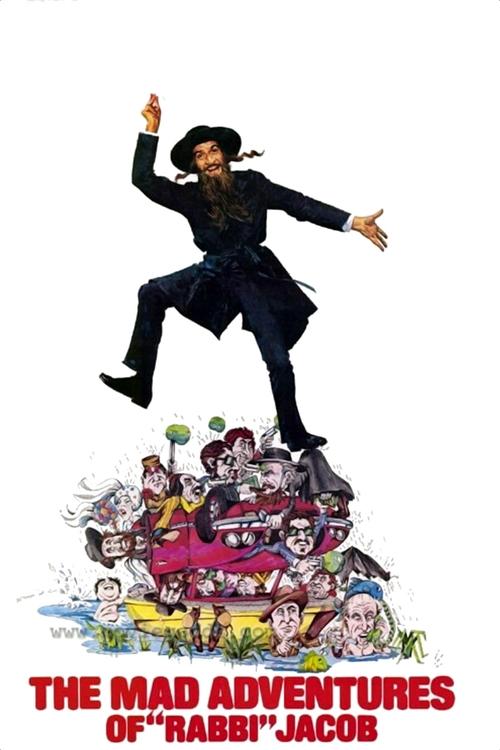
1973
1951
1964
1958
1957
No reviews yet. Be the first to share your thoughts on this movie!
Use the rating form above to leave a star rating and optional review.