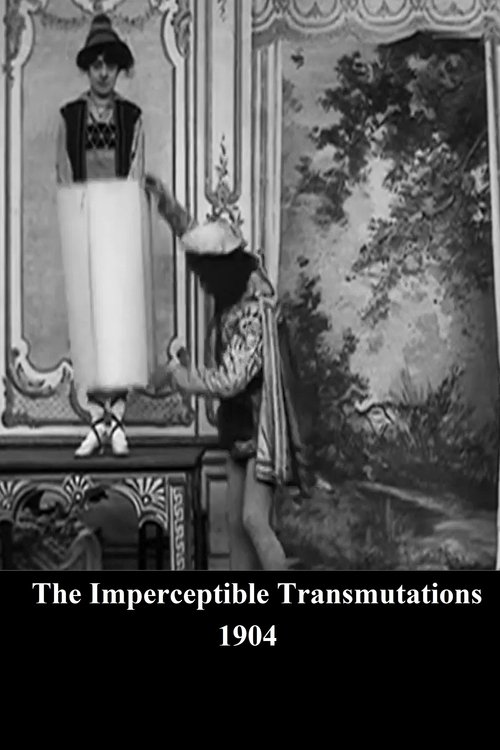
The Imperceptible Transmutations
1904
No user ratings available yet
Representation score: 0.6 out of 10

Representation Score
Minimal
1901
Director
Georges Méliès
Runtime
1 minutes
Average Rating
No ratings yetNew Showbiz Analysis
Georges Méliès' work showcases early cinematic techniques such as stop-motion and substitution splices for visual spectacle. However, these techniques are used to reinforce racial stereotypes prevalent in early 20th-century performance art. The film prioritizes visual humor over character development. By using racial identity as a mechanism for visual gags, it reinforces historical biases rather than challenging them. Ultimately, the film reflects the constraints and theatrical traditions of its time, highlighting the limitations of its era.
Category Breakdown
The film does not depict any LGBTQ+ identities or narratives. It focuses solely on physical comedy and slapstick interactions.
The cast consists entirely of male performers, offering no exploration of feminine ability to act or subversion of hierarchies.
Black performers are portrayed through racial caricature for comedic effect. Race serves as a visual prop rather than a tool for depth.
The film adheres to the mainstream entertainment standards of the early 1900s. It does not engage with anti-capitalist, secular, or anti-Western critiques, focusing instead on physical absurdity.
There are no characters with physical or neurodivergent disabilities in the film.
Present on Screen
Limited or Absent
Official Synopsis
Four black minstrels turn into white clowns and back again when they hit or kick each other.
1904
1904
1906
1905
1900
1901
1905
1901
No reviews yet. Be the first to share your thoughts on this movie!
Use the rating form above to leave a star rating and optional review.