The Clown
1953
No user ratings available yet
Representation score: 2.9 out of 10
Representation Score
Minimal
1932
PassedDirector
Louis King
Runtime
63 minutes
Average Rating
No ratings yetNew Showbiz Analysis
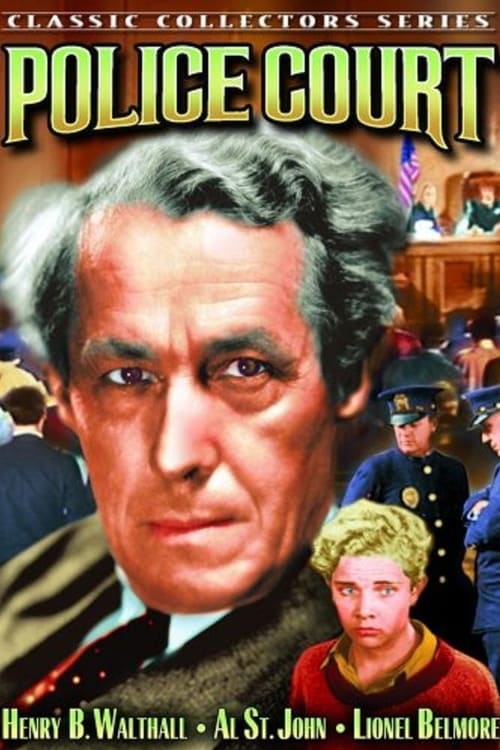
Police Court is a traditional 1932 melodrama that reinforces established social and moral hierarchies. The narrative focuses on a fallen actor seeking redemption through parental responsibility, a theme that aligns with the conservative values of the early Hays Code era. The film lacks the structural complexity needed to challenge conventional expectations regarding identity. It functions primarily as a character study of addiction and familial duty within a standard studio framework. Ultimately, the work serves as a period piece that mirrors the homogeneous demographic and social standards of its time, offering little disruption to the status quo.
Category Breakdown
The film adheres to strict conventions that assume everyone is straight or cisgender. There is no evidence of narratives that critique traditional social norms or include diverse LGBTQ+ identities.
The story centers on a traditional male figure struggling with alcoholism. While the son drives the emotional plot, the narrative remains anchored in a traditional male-centric hierarchy.
The production reflects the homogeneous demographic standards of 1932. The storytelling appears to follow a white-centric model without evidence of diverse character's ability to drive the story.
The plot emphasizes Western values like individual responsibility and the sanctity of the family bond. It follows a conventional moral recovery arc rather than offering cultural critique.
Alcoholism is treated as a central conflict, though likely framed as a moral failing rather than a nuanced medical condition. Characters lack ability to act beyond standard dramatic clichés.
Present on Screen
Limited or Absent
Official Synopsis
A once great stage and screen actor has fallen from fame because of his alcoholism; his young son is determined to see his father "make good" again.
1953

1945

1951
1924
1931

1962
1931
1954
No reviews yet. Be the first to share your thoughts on this movie!
Use the rating form above to leave a star rating and optional review.