
Police Court
1932
No user ratings available yet
Representation score: 1.7 out of 10
Representation Score
Limited
1953
NRDirector
Robert Z. Leonard
Runtime
91 minutes
Average Rating
No ratings yetNew Showbiz Analysis
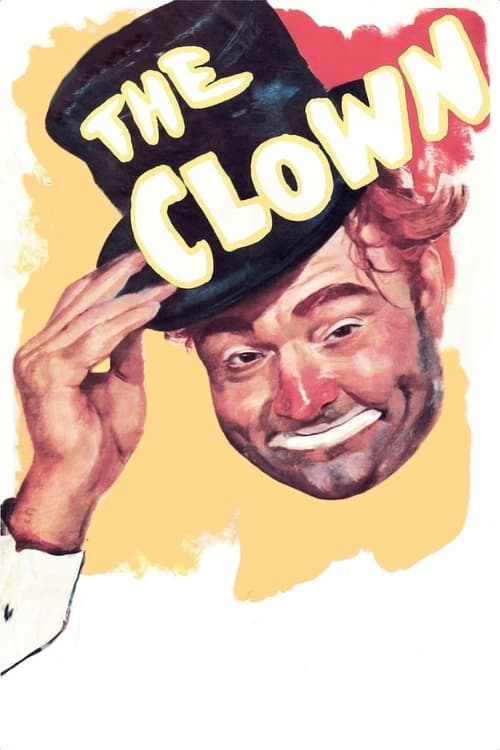
The Clown is a quintessential 1950s melodrama that emphasizes traditional narrative structures over social critique. Its main strength lies in its casting, offering ethnic representation uncommon for the era. However, the film remains deeply entrenched in conventional social hierarchies. The narrative centers on individual responsibility and the restoration of the nuclear family, largely overlooking broader systemic or diverse perspectives. While the protagonist's vulnerability offers a slight departure from standard patriarchal clichés, the film's overall structure is conservative and adheres to the period's standard cinematic conventions.
Category Breakdown
The film does not include any LGBTQ+ characters or non-straight relationships. The interpersonal dynamics focus solely on traditional family and romantic relationships.
Female characters such as Paula act as supportive or reactive figures to the male lead's instability. The narrative stays rooted in mid-century gender roles and domestic settings.
José Ferrer's casting as a central figure provides significant ethnic representation for the time. His prominent role challenges the era's typical homogeneity.
The storyline operates within a traditional Western framework emphasizing individual redemption and the nuclear family. It follows a classic path of professional recovery.
There is no significant depiction of physical or neurodivergent disabilities. Alcoholism is portrayed as a personal flaw rather than a condition requiring deeper exploration.
Present on Screen
Limited or Absent
Official Synopsis
Once a famous Ziegfeld star, Dodo Delwyn is reduced to playing clowns in burlesque and amusement parks as a result of his drinking. His son Little Dink idolizes Dodo and faithfully believes in a comeback. He persuades "Uncle" Goldie, Dodo's agent in the good old days, to find a booking for Dodo. He can't, and Dink is sent to live with his remarried-and-wealthy mother, Paula. The unhappy Dink runs back to his father. His welcome return gives Dodo the courage needed to try a knockabout TV show offered by Goldie
1932

1945
1942
1924
1954
2011
1917

1982
No reviews yet. Be the first to share your thoughts on this movie!
Use the rating form above to leave a star rating and optional review.