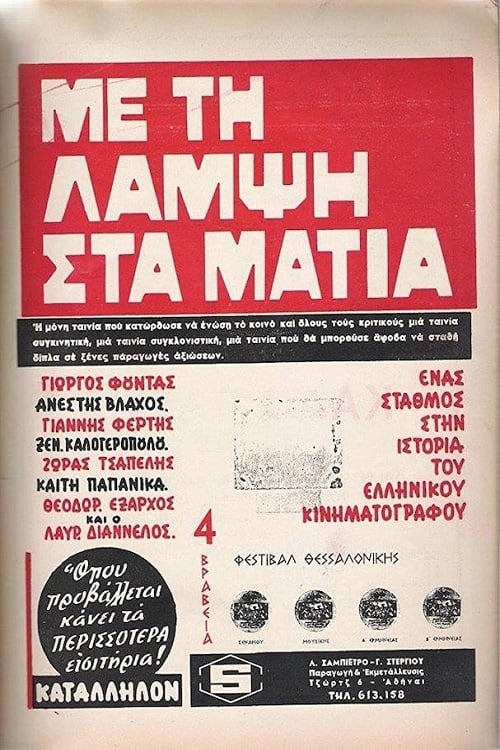
The Roundup
1965
No user ratings available yet
Representation score: 2.6 out of 10
Representation Score
Minimal
1966
Director
Panos Glykofrydis
Runtime
94 minutes
Average Rating
No ratings yetNew Showbiz Analysis
This 1966 war drama follows the classic clichés of mid-century Greek cinema, emphasizing historical realism and nationalistic storytelling. It focuses on traditional hierarchies and masculine roles, offering little space for diverse perspectives. The central conflict revolves around patriarchal decision-making and family preservation, rather than challenging social norms.
Category Breakdown
The film does not include any LGBTQ+ characters or stories. The plot focuses solely on family ties and the pressures of wartime.
The story centers on patriarchal structures where male figures hold authority and make critical decisions. The father and his sons play key roles.
The cast and setting are ethnically uniform, reflecting the historical context. The only ethnic contrast is the German officer, highlighting the occupier-occupied dynamic.
The drama highlights traditional Mediterranean values such as family honor and communal survival during extreme hardship.
There are no characters with visible or invisible disabilities mentioned in the narrative.
Present on Screen
Limited or Absent
Official Synopsis
During the German occupation, the Nazis plan to execute 30 men in retaliation for the death of a German soldier at the hands of the partisans. Among the men are three brothers (Giorgos Fountas, Anestis Vlachos and Giannis Fertis). The villagers ask the German officer (Zoras Tsapelis) to spare the life of one of the brothers. He accepts on the condition that their father (Lavrentis Dianellos) selects the one to remain alive.
1965
1959
1962
1945
2017

1980
1964
1970
No reviews yet. Be the first to share your thoughts on this movie!
Use the rating form above to leave a star rating and optional review.