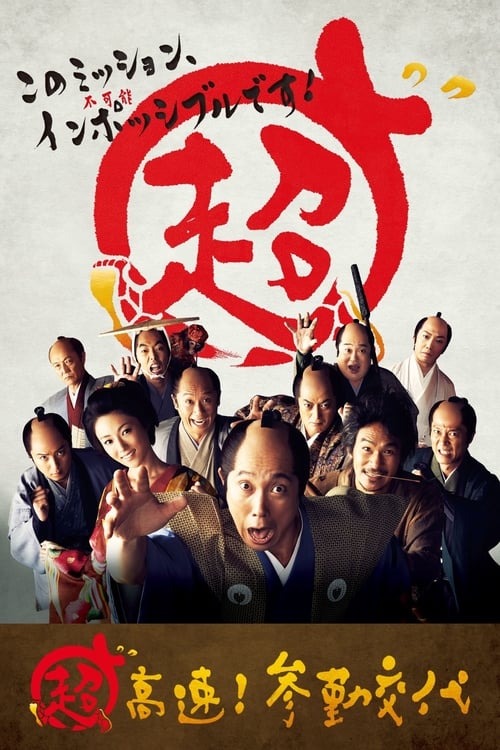
Samurai Hustle
2014
No user ratings available yet
Representation score: 2.0 out of 10
Representation Score
Limited
2023
Director
Tetsu Maeda
Runtime
121 minutes
Average Rating
No ratings yetNew Showbiz Analysis
The film primarily serves as a critique of societal hierarchies rather than a platform for diverse representation. It replaces the traditional idea of noble lineage with economic struggles, challenging the perceived stability of traditional authority. By focusing on the economic burdens of inherited status, the narrative effectively critiques the friction between social standing and economic realities. However, it does not explicitly address multi-layered issues or broad representation.
Category Breakdown
The film does not include any characters or stories related to LGBTQ+ identities or non-cisgender experiences.
The story focuses on a shift in power and leadership. Although there is no direct evidence of female empowerment, the change in social hierarchy hints at the potential to challenge traditional leadership roles.
Given its historical setting in Japan, the cast is ethnically uniform. However, the storyline explores social identity and stratification through the rise from commoner to lord.
The film critiques the romanticized notion of aristocracy by showing the financial burden of holding a prestigious title. This highlights the instability of traditional feudal power structures.
The film does not feature any characters with visible or invisible disabilities.
Present on Screen
Limited or Absent
Official Synopsis
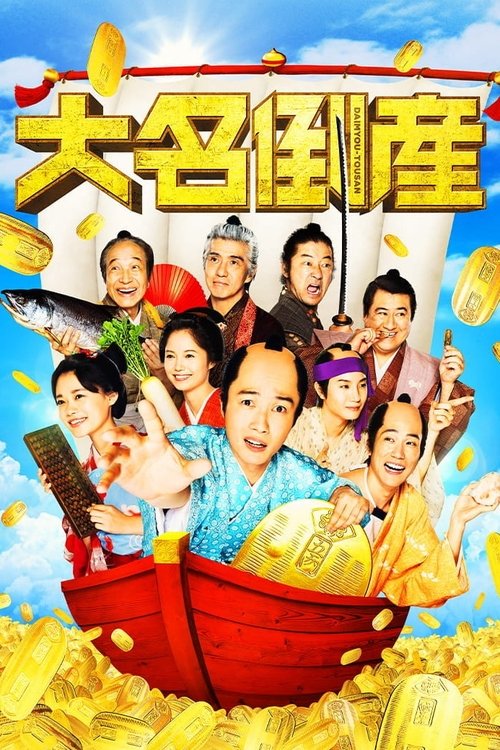
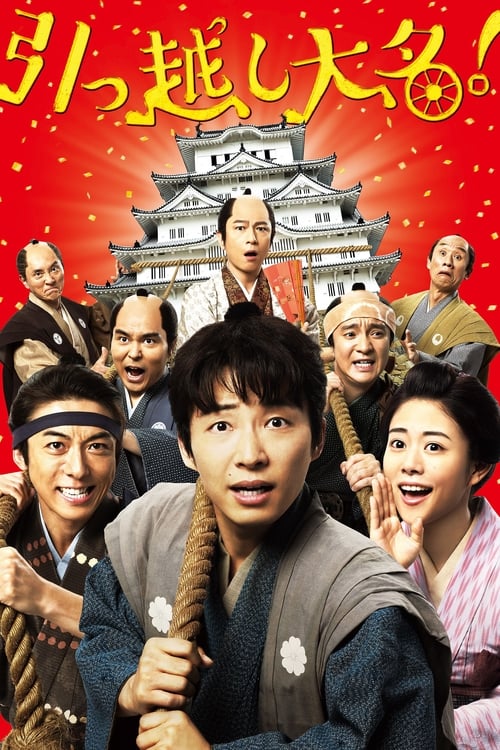
A commoner inherits lordship of debt-ridden Tanjousan Bun. Officials inform him of new role and substantial debts. He learns he is son of retired Daimyo when position becomes vacant.
2014
2003
2016
2002
1936

1971
2012
2019
No reviews yet. Be the first to share your thoughts on this movie!
Use the rating form above to leave a star rating and optional review.