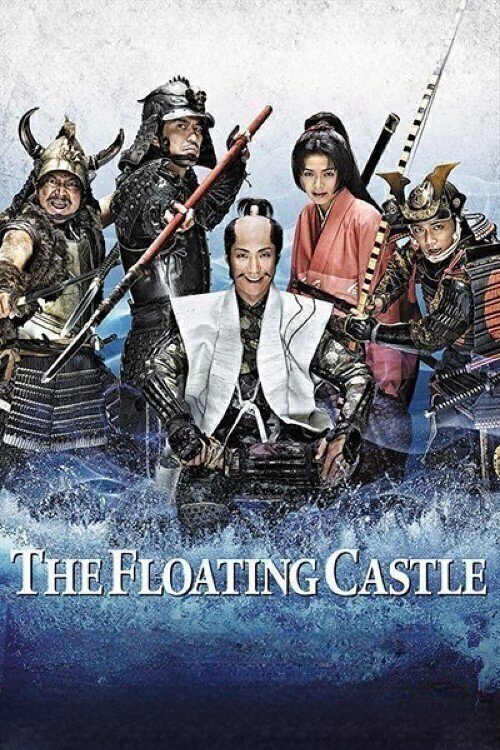
The Floating Castle
2012
No user ratings available yet
Representation score: 2.6 out of 10
Representation Score
Limited
2014
Director
Katsuhide Motoki
Runtime
119 minutes
Average Rating
No ratings yetNew Showbiz Analysis
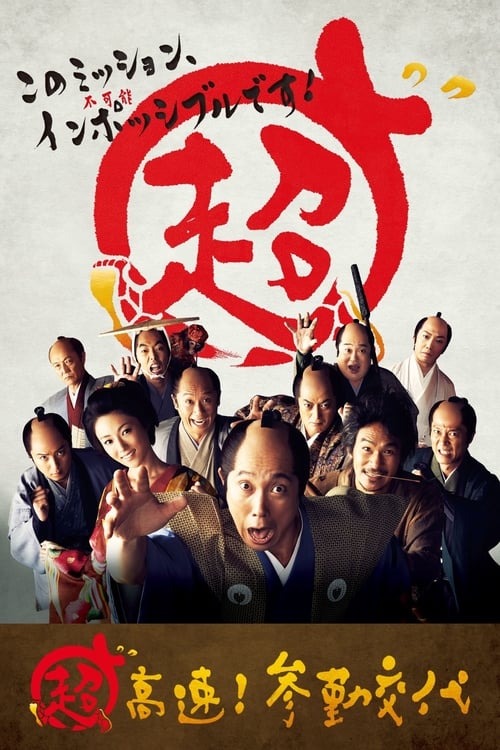
Samurai Hustle is a historical comedy that emphasizes period accuracy and traditional narrative structures. The story centers on the logistical and political challenges of the Sankin-kotai system during the Tokugawa shogunate. The film explores feudal politics within the context of the time. However, it constructs its narrative around the preservation of existing power dynamics rather than the deconstruction of social hierarchies. Overall, the work lacks the complexity needed for a higher progressive diversity rating.
Category Breakdown
The film does not include any characters with non-binary genders or same-sex relationships. It follows the social norms of the Tokugawa period.
The plot revolves around male leaders, with few instances of women playing key roles in the central conflict or challenging existing hierarchies.
Set in a historically homogeneous Japanese society, the film mirrors the ethnic makeup of the Edo period. It does not use diverse casting to question traditional demographics.
The story focuses on navigating the established Shogunate hierarchies without questioning them. It emphasizes maintaining domain resources within traditional frameworks.
There are no characters with visible or invisible disabilities in the narrative.
Present on Screen
Limited or Absent
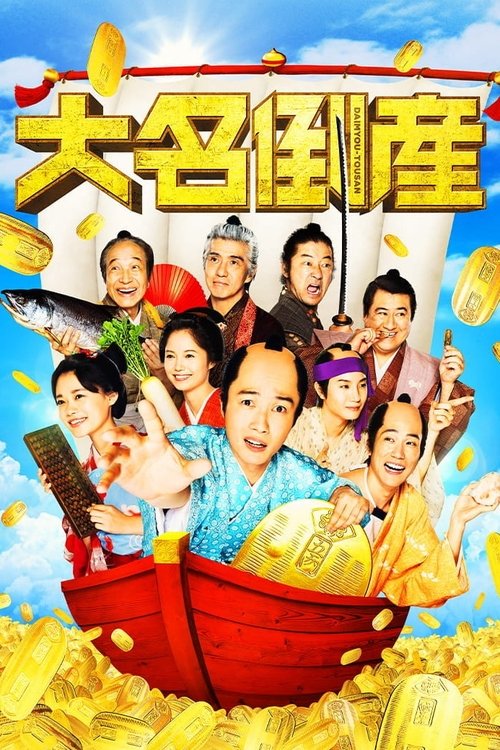
Official Synopsis
During the reign of the eighth shogun of the Tokugawa shogunate, the Yunagaya Domain in the Tohoku region is a small han. But at the han, there is a gold mine. Suddenly, Masaatsu Naito of Yunagaya Domain receives an order to perform Sankin-kotai within 5 days. Sankin-kotai is a custom that requires the daimyo to visit the shogun in Edo. Unfortunately, the time needed to visit the shogun in Edo for Masaatsu Naito is 8 days. Masaatsu Naito also learns he received the order because a high ranking government official wants the gold mine. Also, the expense for Sankin-kotai is high and the Yunagaya Domain is such a small han that it seems impossible to complete. Nevertheless, Masaatsu Naito begins an unexpected operation to complete Sankin-kotai in 5 days.
2012

1952
2016
1967
2023

1936

1978

2016
No reviews yet. Be the first to share your thoughts on this movie!
Use the rating form above to leave a star rating and optional review.