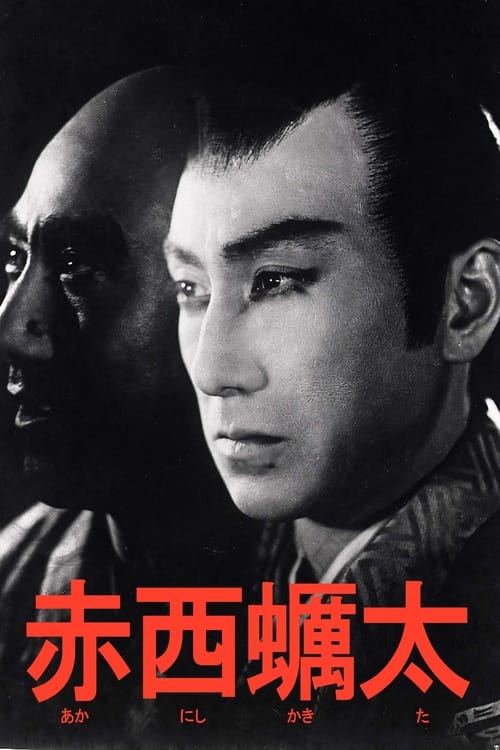
Samurai Hawk
1961
No user ratings available yet
Representation score: 2.8 out of 10
Representation Score
Limited
1936
Director
Mansaku Itami
Runtime
77 minutes
Average Rating
No ratings yetNew Showbiz Analysis
The Letter is a traditional jidaigeki that emphasizes historical accuracy and social hierarchies. The plot revolves around a samurai investigating political unrest, reinforcing the power structures of the Edo period. Because the film adheres to a strict historical framework, it lacks modern complexity. The narrative focuses on masculine duty and institutional stability, avoiding the subversion of social clichés. Ultimately, the film offers a period-accurate drama that aligns with the conventional expectations of its time, providing limited representation of diverse identities or underrepresented perspectives.
Category Breakdown
The film does not show any clear examples of LGBTQ+ identities or same-sex relationships. It follows traditional romantic storylines typical of 1930s period dramas.
The story focuses on a male samurai carrying out his duties to a lord. It is unclear if the female characters have significant roles or remain passive figures.
Set in a historical Japanese context, the film features a culturally uniform cast. It reflects the era's social reality without challenging ethnic homogeneity.
The story upholds traditional shogun and samurai structures, emphasizing loyalty and hierarchy. It reinforces established social orders without questioning traditional power dynamics.
There is no clear depiction of physical or neurodivergent disabilities in the film.
Present on Screen
Limited or Absent
Official Synopsis
A samurai is ordered by his lord to go to Edo and investigate the truth behind the rumor of a rebellion against him.
1961
1952
1932
1964
1937
2014
2013
1927
No reviews yet. Be the first to share your thoughts on this movie!
Use the rating form above to leave a star rating and optional review.