The Most Fertile Man in Ireland
2000
No user ratings available yet
Diversity score: 4.6 out of 10
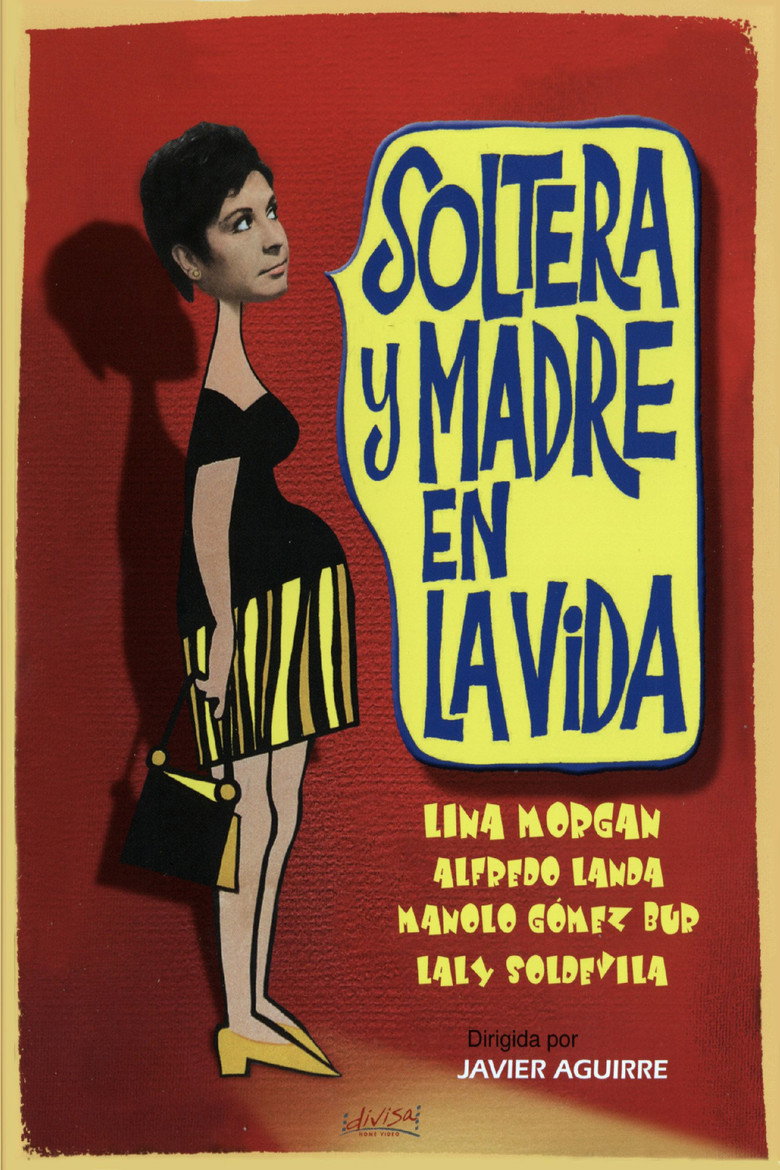
1969
Director
Javier Aguirre
Runtime
90 minutes
Average Rating
No ratings yetSynopsis
The frog test confirms Julita is pregnant. This is usually a great news. In this case, no. She is a victim of premarital sex, and he, Paco, a mechanic who, according to some theories of French biologist, explained by a podiatrist friend, will not be liable. Don Ramiro, the father of Julia, is a liberal-minded man, but when his daughter tells him that she will have a son who will not parent, seeking the solution of fatherhood in his gun regulation.
Overall Score
Fair
Category Breakdown
LGBTQ+ Representation
The film lacks explicit evidence of LGBTQ+ characters or non-heteronormative identities. The narrative focus remains strictly on the consequences of heteronormative sexual encounters.
Gender Representation
Julita's journey through reproductive agency disrupts conventional era expectations. By framing the male counterpart as someone evading liability, the film challenges the trope of the stable, responsible patriarch.
Racial & Ethnic Diversity
The narrative focuses on domestic social dynamics rather than multi-ethnic casting. There is no explicit evidence of a diverse or non-Anglo cast within the provided context.
Religious & Cultural Diversity
The plot critiques the sanctity of the nuclear family and traditional marriage. It uses satire to examine how traditional institutions fail to address modern social realities like premarital pregnancy.
Disability Representation
There is no evidence suggesting the inclusion of characters with physical or neurodivergent disabilities.
Strengths
Areas for Improvement
AI Analysis
The film serves as a social critique of 1960s morality, focusing on the breakdown of traditional responsibility. It subverts the 'stable father' archetype by presenting a protagonist navigating the fallout of unplanned pregnancy and a father struggling with crisis management. While the film engages with progressive themes of moral relativism and systemic critique, it remains limited by its era's narrow focus. The lack of visible LGBTQ+ or multi-ethnic representation keeps the diversity profile centered on Western domestic social structures. Ultimately, the work's value lies in its willingness to challenge the social hierarchies and rigid institutions of its time through a lens of reproductive and paternal accountability.
2000

1975
1982

2021
2015
2017
1982

1982
2016

1959

1971

1980
No reviews yet. Be the first to share your thoughts on this movie!
Use the rating form above to leave a star rating and optional review.