Guerrilla
2011
No user ratings available yet
Representation score: 9.0 out of 10
Representation Score
Good
2011
RDirector
John Sayles
Runtime
128 minutes
Average Rating
No ratings yetNew Showbiz Analysis
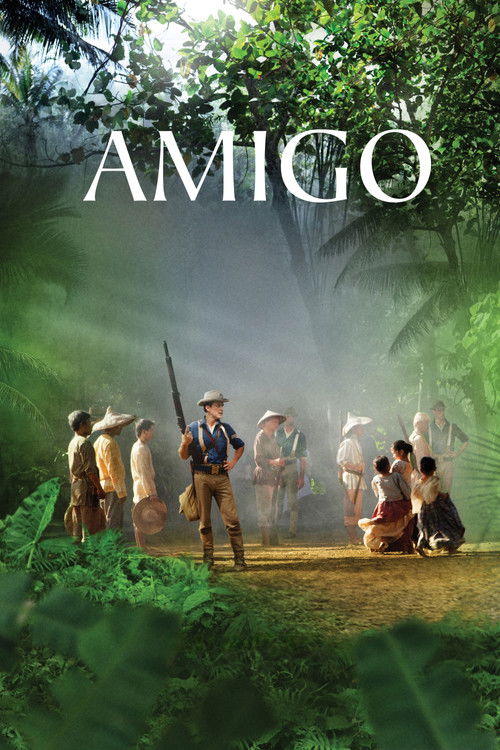
Amigo is a sophisticated historical drama that prioritizes a post-colonial perspective over traditional war clichés. It succeeds by centering the Filipino experience, providing deep ethnic complexity and a nuanced critique of imperialist expansion. While the film excels in racial and cultural representation, it remains limited in its exploration of identity-based diversity. It does not significantly address LGBTQ+ identities or disability, focusing instead on the immediate pressures of wartime survival. Ultimately, the film's strength lies in its refusal to use binary moral frameworks. It elevates the colonized subject, though it does not actively challenge gender hierarchies or include diverse neurodivergent or queer perspectives.
Category Breakdown
The film does not explore LGBTQ+ identities or provide significant character arcs related to non-cisgender experiences. The focus is on survival in a war setting rather than on queer relationships.
Gender dynamics are less prominent than the political conflict. The protagonist avoids traditional masculine dominance, instead showing vulnerability and indecision under occupation.
The film stands out by centering the Filipino experience during the Philippine-American War. It challenges Anglo-centric history by making the colonized subjects the main drivers of the conflict.
The story critiques Western imperialism and foreign intervention. It avoids simplistic morality, focusing instead on the systemic instability caused by occupying forces.
There are no significant characters with visible or invisible disabilities. The plot emphasizes socio-political community struggles over individual disability experiences.
Present on Screen
Limited or Absent
Official Synopsis
Rafael is a village mayor caught in the murderous crossfire of the Philippine-American War. When U.S. troops occupy his village, Rafael comes under pressure from a tough-as-nails officer to help the Americans in their hunt for Filipino guerilla fighters. But Rafael's brother is the head of the local guerillas, and considers anyone who cooperates with the Americans to be a traitor. Rafael quickly finds himself forced to make the impossible, potentially deadly decisions faced by ordinary civilians in an occupied country.
2011
1965
2015

1983

2015
1995
2011
1993
No reviews yet. Be the first to share your thoughts on this movie!
Use the rating form above to leave a star rating and optional review.