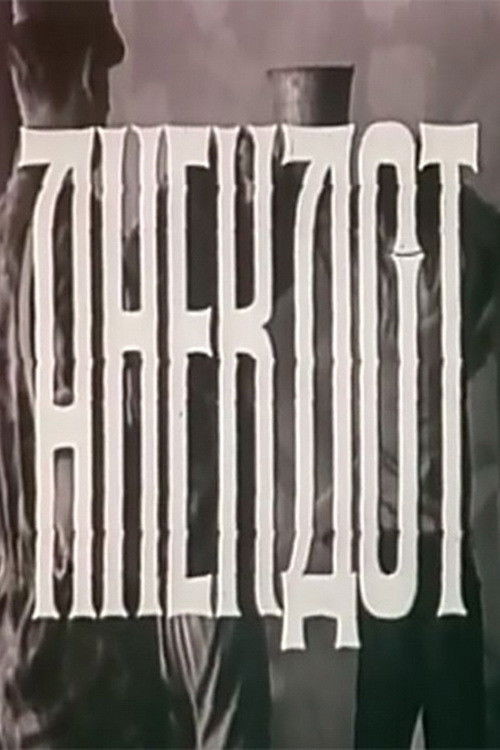
The Joke
1990
No user ratings available yet
Representation score: 3.5 out of 10
Representation Score
Limited
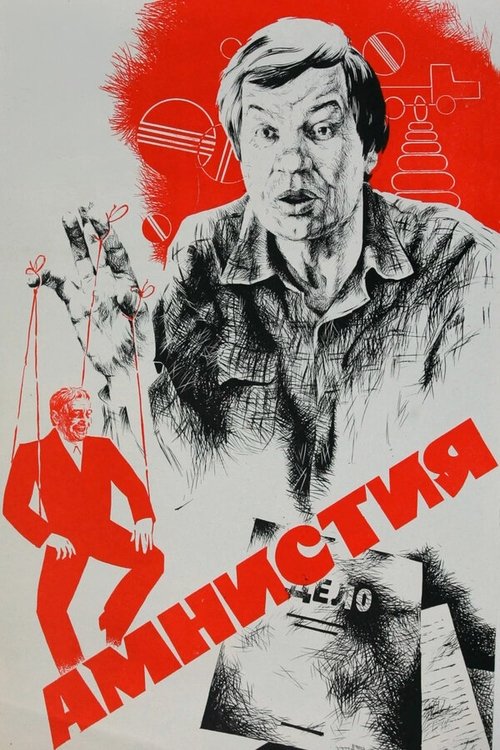
1980
Director
Valery Ponomaryov
Runtime
80 minutes
Average Rating
No ratings yetNew Showbiz Analysis
Amnesty is a localized satire that finds its strength in social commentary rather than demographic variety. By focusing on the absurdity of a toy factory's 50th anniversary, the film critiques the rigid bureaucracy of the Soviet era. However, the film lacks depth in representing underrepresented identities. It operates within a historical framework that prioritizes institutional critique over diverse lived experiences, resulting in a homogeneous cast.
Category Breakdown
The film does not include any LGBTQ+ characters or narratives. Given the context of 1980s Soviet media, such depictions are missing.
The film likely reflects the hierarchical structures of the time. Women are part of the workforce, but the comedic elements may reinforce traditional workplace dynamics.
The cast appears ethnically uniform, reflecting the dominant demographic of the Soviet region. There is no indication of intentional ethnic blending or diverse casting.
The film excels through its satirical critique of institutionalism and bureaucracy. It uses the factory setting to deconstruct formal authority and celebrate the individual against the state.
There is no evidence of characters with physical or neurodivergent disabilities. The story focuses on factory events rather than diverse physical representations.
Present on Screen
Limited or Absent
Official Synopsis
A satirical comedy about the events which happened in the toys factory a few days before celebrating it's 50 years aniversary.
1990
1964
1990
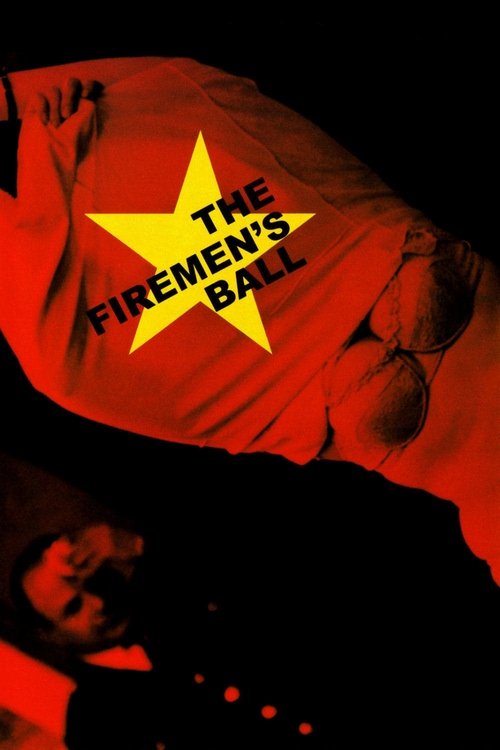
1967
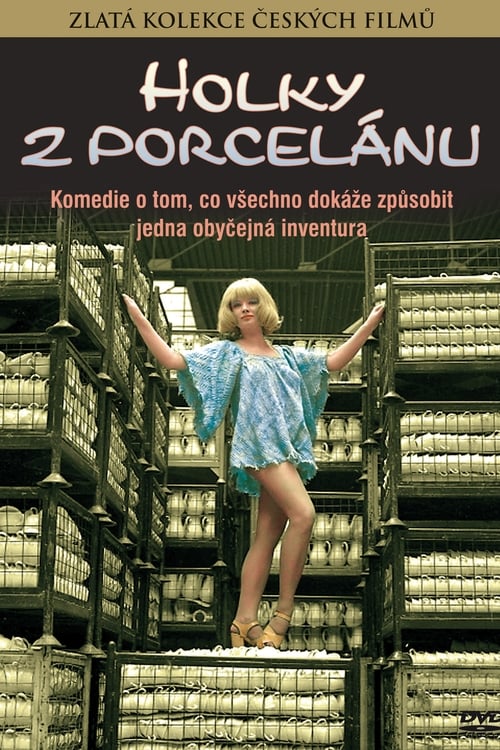
1975
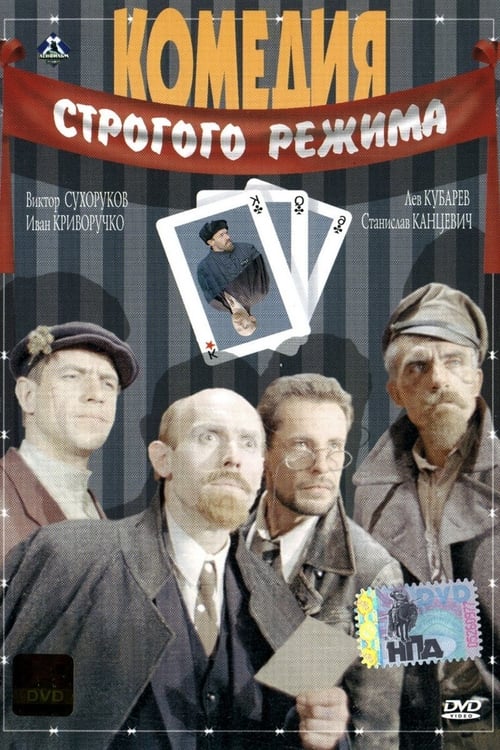
1992
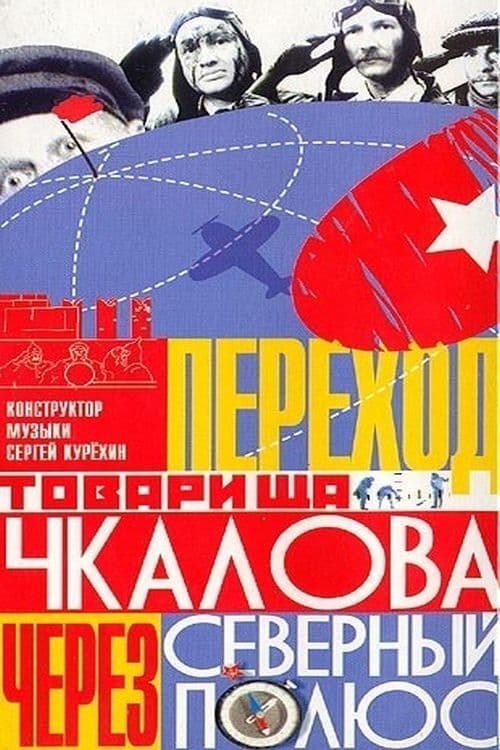
1990
1941
No reviews yet. Be the first to share your thoughts on this movie!
Use the rating form above to leave a star rating and optional review.