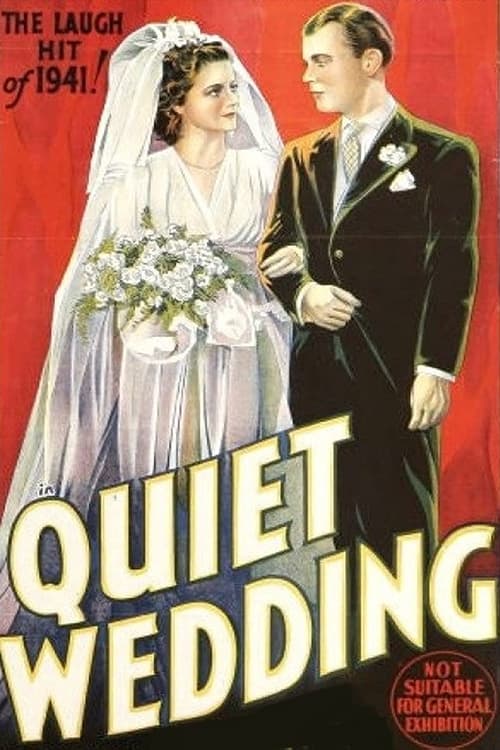
Quiet Wedding
1941
No user ratings available yet
Diversity score: 2.8 out of 10
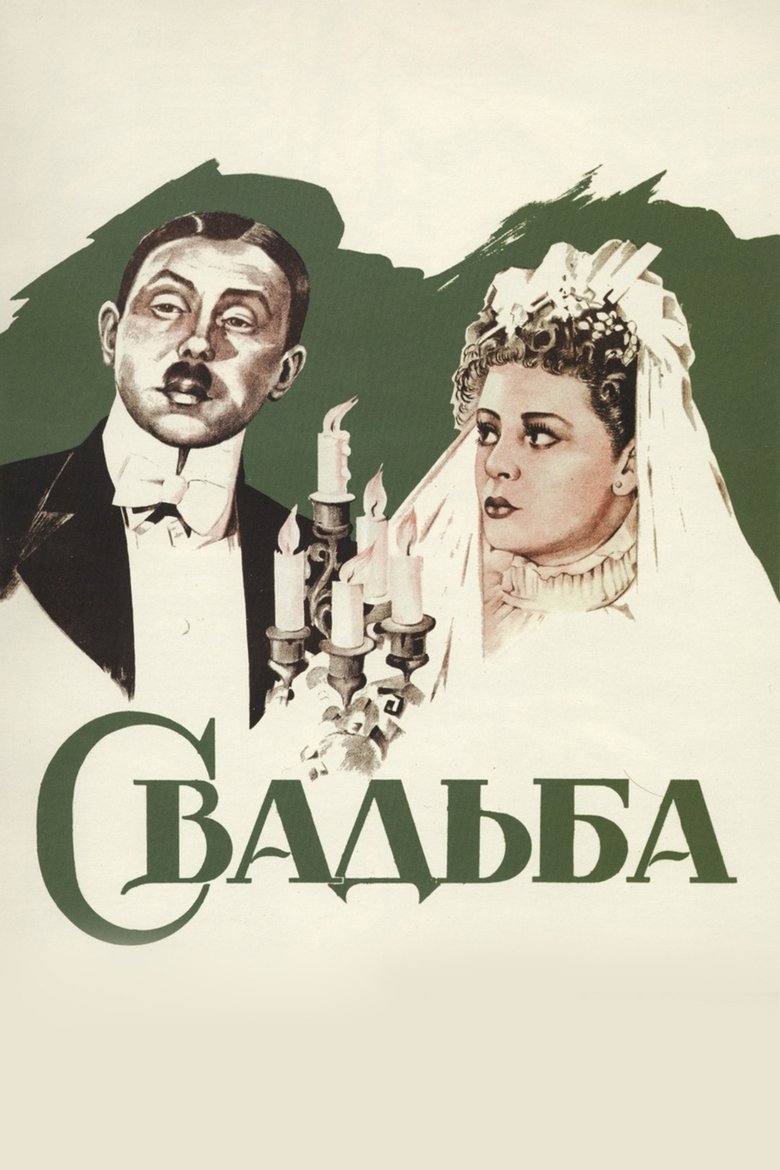
1944
Director
Isidor Annensky
Runtime
64 minutes
Average Rating
No ratings yetSynopsis
Petty bourgeois Zhigalovs, whose daughter-in-law Dasha is being extradited, find out to their horror that the official Aplombov, who has been caring for Dasha all summer, has dined every day with them and has proved himself to be his bridegroom, is not going to marry at all.
Overall Score
Limited
Category Breakdown
LGBTQ+ Representation
The film adheres to traditional heteronormative structures. The plot centers on conventional courtship and the social mechanics of marriage.
Gender Representation
Female characters like Dasha appear socially vulnerable and lack individual agency. However, the comedy subverts male competence by portraying men as inept.
Racial & Ethnic Diversity
The production focuses on a homogeneous social class. It lacks any indication of intersectional casting or ethnic subversion.
Religious & Cultural Diversity
The narrative critiques Western-style social hierarchies and bourgeois domesticity. It uses class-based satire to frame social climbing as absurd.
Disability Representation
There are no characters identified as having visible or invisible disabilities within the narrative.
Strengths
Areas for Improvement
AI Analysis
Wedding is a period comedy that prioritizes class-based satire over identity-driven representation. The film uses Chekhovian themes to deconstruct the hollow nature of petty bourgeois social structures. While the film lacks diversity in terms of race and LGBTQ+ identities, it finds progressive ground by mocking traditional social roles. The humor stems from the failure of men to meet expected standards of stability. Ultimately, the work functions as a critique of social hierarchies rather than a vehicle for modern identity politics.
1941

1967

2019
1939
1967
1969

1952
1938
1956

1978
1994

1973
No reviews yet. Be the first to share your thoughts on this movie!
Use the rating form above to leave a star rating and optional review.