Fiddlesticks
2014
No user ratings available yet
Representation score: 2.7 out of 10
Representation Score
Fair
2007
Director
Detlev Buck
Runtime
98 minutes
Average Rating
No ratings yetNew Showbiz Analysis
Hands Off Mississippi uses a character-driven approach to examine systemic social structures through an outsider's perspective. The film's strength lies in its willingness to tackle the historical injustices of the American South, moving beyond including someone from a minority group without giving them real depth to engage with the Civil Rights Movement. However, the film's scope is narrow in terms of identity representation. It lacks any LGBTQ+ or disability-specific narratives, focusing its thematic energy almost exclusively on racial and generational tensions. Ultimately, the film's progressive profile is elevated by its critique of oppressive institutional structures, even as it operates within a traditional social framework for its other character dynamics.
Category Breakdown
The film does not include any LGBTQ+ characters or explore non-straight identities. The plot centers on racial and generational conflicts.
Emma, a young female protagonist, drives the main conflict through her role in the estate dispute. She challenges male antagonists, but the broader social structure remains traditional.
The narrative provides significant visibility to Black characters and activists by centering the Civil Rights Movement. It uses these tensions to address the complexities of systemic racial hierarchy.
The story critiques 1960s American Southern segregation and institutionalized violence. It frames the era's social order as a force of oppression.
There is no significant evidence regarding the portrayal of physical or neurodivergent disabilities within the narrative.
Present on Screen
Limited or Absent
Official Synopsis
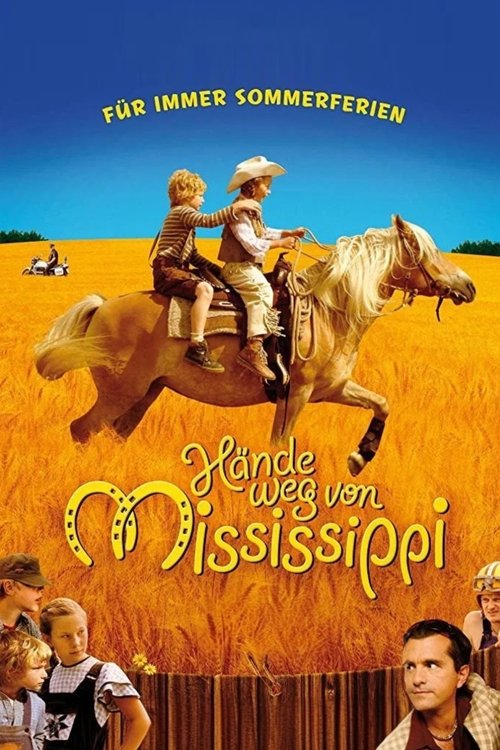
Full of anticipation, ten-year-old Emma goes on vacation to her grandma Dolly in the country. Once there, however, the girl learns that old Klipperbusch has died - and his money-hungry nephew Albert is already in the process of converting the inherited estate for profit. And anything he can't use for this is thrown out without further ado. At least Emma manages to save Klipperbusch's beloved mare Mississippi from the slaughterhouse at the last minute: she persuades her grandmother to buy the horse from Albert. Emma is now a proud horse owner. She is all the more surprised when Albert turns up at her door one day and desperately wants Mississippi back. It's clear to Emma and her friends that this guy can't be up to no good...
2014

1955

1969

2025

2023

1992
2011

1976
No reviews yet. Be the first to share your thoughts on this movie!
Use the rating form above to leave a star rating and optional review.