Recreo
2018
No user ratings available yet
Representation score: 5.2 out of 10
Representation Score
Good
2011
Director
José Luis Torres Leiva
Runtime
95 minutes
Average Rating
No ratings yetNew Showbiz Analysis
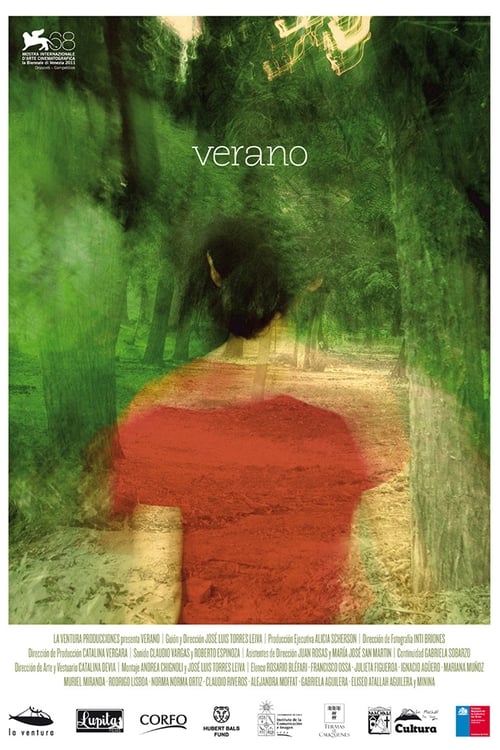
Verano is a minimalist, observational work that succeeds in providing a decentralized view of human experience. By avoiding high-stakes drama, it allows a variety of vignettes to exist without a singular, dominant ideological framework. The film's strength lies in its regional authenticity and its refusal to adhere to traditional Western-centric cinematic structures. It offers a meaningful, if understated, look at life in southern Chile. However, the film remains somewhat neutral in its social commentary. It lacks explicit explorations of LGBTQ+ identities, disability, or the active subversion of gender hierarchies, resulting in a moderate diversity profile.
Category Breakdown
The film maintains a neutral stance towards LGBTQ+ identities. It captures moments of first kisses but does not explicitly focus on LGBTQ+ narratives or challenge the assumption that everyone is straight or cisgender.
The narrative avoids hyper-masculine clichés by focusing on domesticity and quiet interpersonal interactions. However, it lacks evidence of characters challenging traditional gender hierarchies through dominance.
By centering a Chilean cast in a South American setting, the film provides a localized, non-Anglo-centric perspective. This organic representation disrupts Western-centric cinematic conventions.
The film favors a secular, contemplative engagement with nature over religious or institutional values. It prioritizes subjective experience and individual moments over moralizing or didacticism.
There is no clear evidence of visible or invisible disabilities being portrayed. The focus remains on physical sensations like swimming and walking rather than neurodivergence or physical impairment.
Present on Screen
Limited or Absent
Official Synopsis
During one hot summer day, little things happen to the visitors and workers of an old thermal resort in southern Chile. Julieta, Francisco, Isa, Rodrigo, Ignacio, Mariana, Muriel, Gabriela, Eliseo, Norma, Alejandra and Claudio experience the long vacation hours in nature, sleeping in the sun, learning how to drive, cleaning the house, kissing for the first time, swimming at night or just walking and talking, while the day slowly unravels into small fragments of happiness and discovery.
2018

2001

2010
2001

2009
1996
2008

2017
No reviews yet. Be the first to share your thoughts on this movie!
Use the rating form above to leave a star rating and optional review.