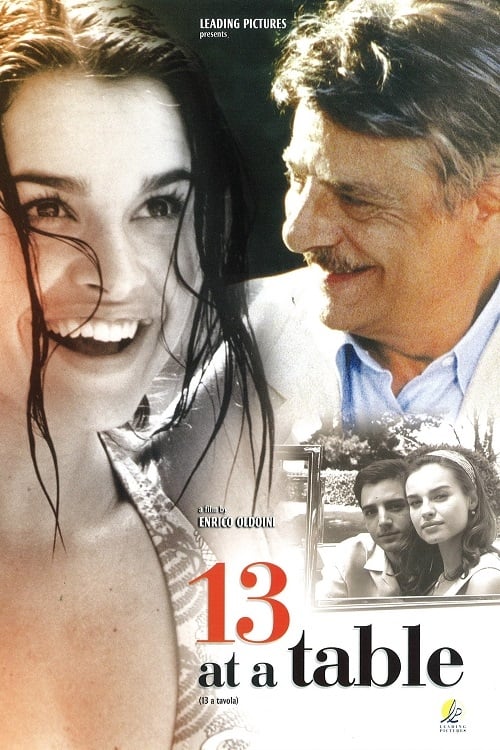
13 at a Table
2004
No user ratings available yet
Representation score: 4.8 out of 10

Representation Score
Limited
1989
Director
Pupi Avati
Runtime
89 minutes
Average Rating
No ratings yetNew Showbiz Analysis
Pupi Avati’s work emphasizes regional authenticity and the nuances of human development over progressive narrative disruptions. The film focuses on provincial life, highlighting social continuity and sentimental realism. The narrative structure revolves around traditional social hierarchies and the emotional transitions of youth. It observes established social institutions through a lens of domesticity without challenging them. Ultimately, the film studies social cohesion and family dynamics, providing a localized perspective that reflects its specific historical and geographical setting.
Category Breakdown
The film adheres to a traditional framework that assumes everyone is straight and cisgender. There are no representations of LGBTQ+ identities or same-sex relationships. The focus is on traditional courtship and marriage.
The story examines the evolving relationship between genders as characters move from childhood to adolescence. While there is some exploration of female emotions, the film maintains traditional gender roles and social expectations.
Set in rural Italy, the cast is predominantly Italian to reflect the historical context. A young French woman adds a minor international element, but the community remains largely homogeneous.
The film highlights traditional Western social structures, class distinctions, and provincial morality. It presents a nostalgic view of domestic life without critiquing institutional practices.
There is no focus on visible or invisible disabilities. Characters are defined by their developmental stages and social roles rather than physical or neurodivergent traits.
Present on Screen
Limited or Absent
Official Synopsis
At a farmhouse, a large family cooks mountains of food for the next day's engagement party for Silvia and her city fiancé, Angelo. Her parents feud about infidelity; an aging salesman who rents a cottage from them arrives with a young French woman; in Bologna, Angelo's mother frets that her son is marrying beneath him; his sisters are less critical. Early the next morning, the four of them go by train to the farmhouse, joined by Angelo's married, unpregnant sister. The day-long dinner is riotous, couples display affection and impatience, children chase angels. Angelo's family stays the night, and his sister Linda has a visitor. A silver elephant makes the perfect gift.
2004

2003

2009
1996
1998
1958
2007
1989
No reviews yet. Be the first to share your thoughts on this movie!
Use the rating form above to leave a star rating and optional review.