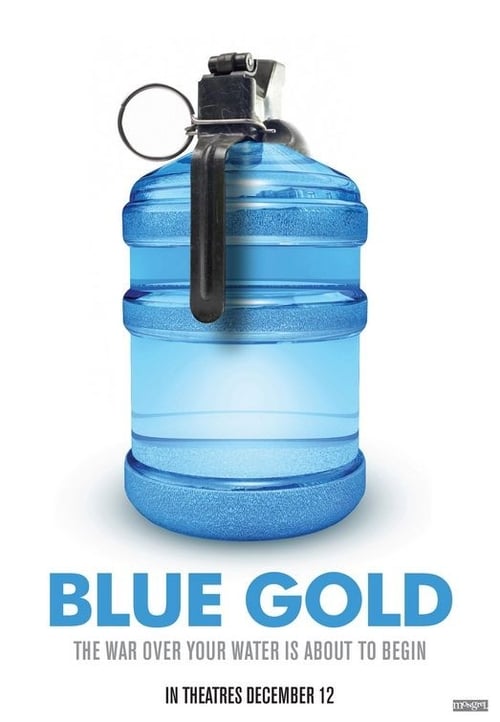
Blue Gold: World Water Wars
2008
No user ratings available yet
Representation score: 8.5 out of 10
Representation Score
Fair
2010
Director
Leslie Franke, Herdolor Lorenz
Runtime
90 minutes
Average Rating
No ratings yetNew Showbiz Analysis
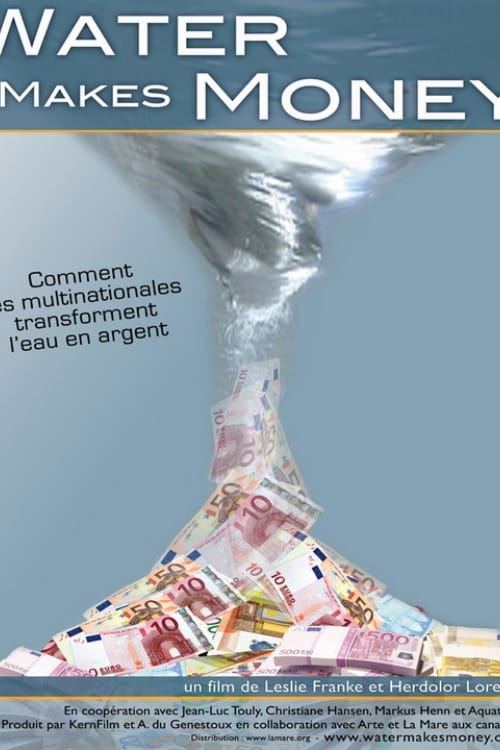
Water Makes Money serves as a systemic critique of neoliberalism rather than a study of individual identity. It prioritizes the dismantling of corporate power and the protection of communal resources over traditional demographic representation. The film's strength lies in its broad, international perspective and its challenge to capitalist expansion. By presenting water as a fundamental necessity under threat, it promotes collective action against institutional authority. However, the documentary does not focus specifically on gender, sexuality, or disability issues.
Category Breakdown
The documentary does not include any LGBTQ+ character arcs or themes related to gender identity.
The film does not focus on gendered power dynamics but includes diverse voices within resistance movements.
The narrative takes a global perspective by looking at privatization in various countries, avoiding an Anglo-centric economic focus.
The film emphasizes collective social welfare over individual market-driven interests. It highlights global resistance against corporate dominance and advocates for public access to water.
There is no information about the inclusion or portrayal of individuals with physical or neurodivergent disabilities.
Present on Screen
Limited or Absent
Official Synopsis
10 to 15 years ago a wave of privatizations of our water supply started, which has been propagating since all over the world. No one calls it anymore Privatization but PublicPrivatePartnership.In these days of limited public finances, budgeting competence is at least as important as the technical mastering of water management. Many communities however are risking to be cheated by superior corporate groups. The movie shows how the 'money printing machines' of these corporations work, especially in France and in German cities like Berlin or Braunschweig. But all over the world people resist: Water in public hands is necessary and possible!
2008
2010
2009
2009
2019

2000
2017
2019
No reviews yet. Be the first to share your thoughts on this movie!
Use the rating form above to leave a star rating and optional review.