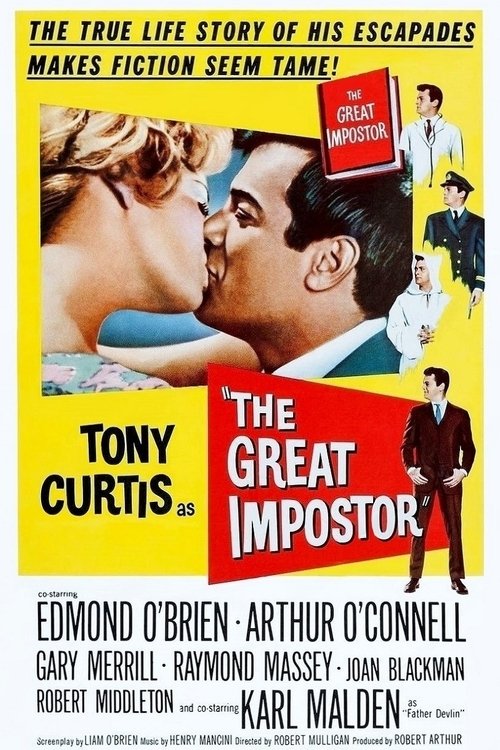
The Great Impostor
1960
No user ratings available yet
Representation score: 1.2 out of 10
Representation Score
Minimal
2005
Not RatedDirector
Brian W. Cook
Runtime
86 minutes
Average Rating
No ratings yetNew Showbiz Analysis
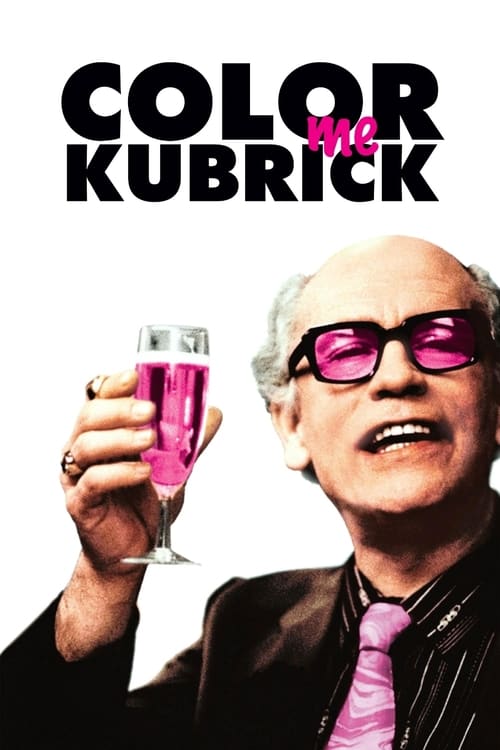
Colour Me Kubrick is a specialized essay film that prioritizes biographical and stylistic analysis over social representation. It functions as a meta-cinematic examination of identity and the cult of the auteur, focusing on the psychology of imitation. Since the subject matter is a singular instance of professional impersonation within the Western film industry, the film lacks the narrative framework to engage with diverse identities or lived experiences. The focus remains strictly on the technical and aesthetic legacy of a specific historical figure. Ultimately, the documentary operates within a traditionalist framework of film history. While it offers a sophisticated postmodern critique of cinematic authority, it does not actively engage with broader social hierarchies or diverse lived experiences.
Category Breakdown
The documentary focuses on technical film production and identity impersonation. It does not explore LGBTQ+ identities or experiences.
The film centers on the 'Great Man' theory of filmmaking, emphasizing male figures and reinforcing traditional patriarchal structures of creative leadership.
The work operates within a Eurocentric cinematic context, focusing on a Western director's legacy without incorporating diverse casting or non-white perspectives.
The film provides a scholarly analysis of Western cinematic excellence, deconstructing the 'auteur' myth but maintaining a traditional focus on Western artistic institutions.
The documentary does not address neurodivergence, physical disabilities, or mental health conditions as central themes or character traits.
Present on Screen
Limited or Absent
Official Synopsis
The true story of a man who posed as director Stanley Kubrick during the production of Kubrick's last film, Eyes Wide Shut, despite knowing very little about his work and looking nothing like him.
1960
2008
1998

1997

2019

1990

2022

2006
No reviews yet. Be the first to share your thoughts on this movie!
Use the rating form above to leave a star rating and optional review.