
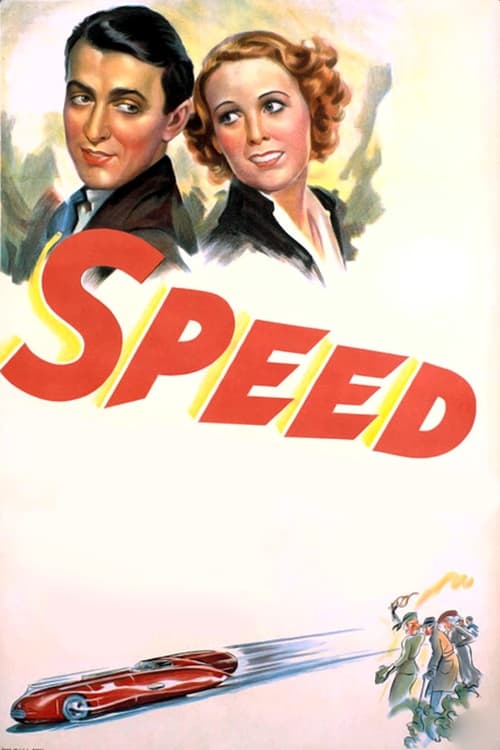
Indianapolis Speedway
1939
No user ratings available yet
Representation score: 0.5 out of 10
Representation Score
Minimal
1936
NRDirector
Edwin L. Marin
Runtime
70 minutes
Average Rating
No ratings yetNew Showbiz Analysis
Speed is a quintessential product of 1930s studio-era filmmaking, focusing on linear progression and conventional archetypes. The narrative is driven by masculine-coded competition in engineering and technical achievement, leaving little room for diverse perspectives. The film reinforces the social status quo of its time, emphasizing industrial progress and traditional heterosexual romance. It lacks depth in representing multiple aspects of identity, presenting a homogenous world centered on white, industrial-class protagonists and traditional gender hierarchies.
Category Breakdown
The story revolves around a romantic rivalry between two men for a female lead, operating within standard heterosexual and cisgender frameworks without any non-cisgender identities.
The plot emphasizes masculine technical skill and professional rivalry. Jane, working in publicity, mainly serves as a romantic prize for the male protagonists rather than an independent professional figure.
The setting depicts a homogeneous environment centered on an American automotive corporation. There is no indication of a diverse cast or non-Anglo-Saxon characters.
The film celebrates industrial progress and mechanical innovation, reinforcing Western capitalist ideals and the pursuit of fame through individual merit within a corporate hierarchy.
No characters have specific physical or neurodivergent traits. There are no visible or invisible disabilities portrayed in the narrative.
Present on Screen
Limited or Absent
Official Synopsis
Terry is the chief car tester for Emery Motors and Frank is an Engineer. Jane has just been hired to work in publicity. Frank and Terry both want Jane to be their girl. Terry has designed a new carburetor that should bring him fame and money, but he cannot get it to work correctly. Terry and Gadget have tested it for over a year, but it still is not perfected. Emery Motors assigns Frank to help Terry with the carburetor, but Terry is not happy because Frank is an Engineer and is also vying for Jane. They finish the carburetor, and to test it, they enter a car in the Indianapolis 500 race. Terry is not yet satisfied with the carburetor before the big race even though it has passed all the tests.
1939

1964
1925
1971
1937
1949
1947
1956
No reviews yet. Be the first to share your thoughts on this movie!
Use the rating form above to leave a star rating and optional review.