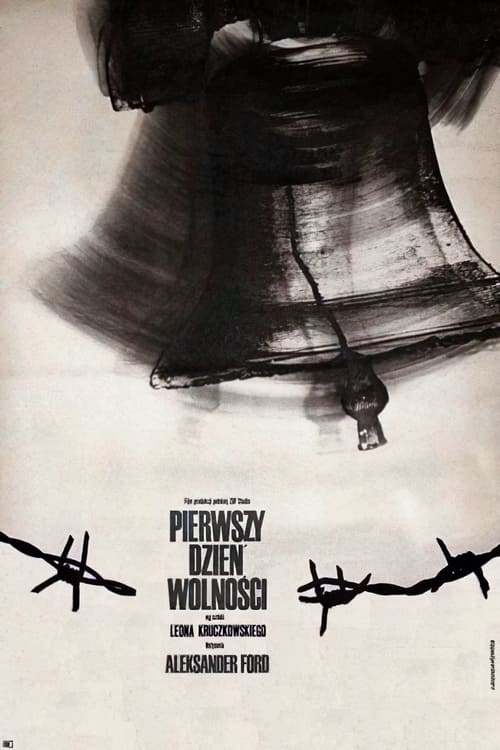
The First Day of Freedom
1964
No user ratings available yet
Representation score: 6.5 out of 10
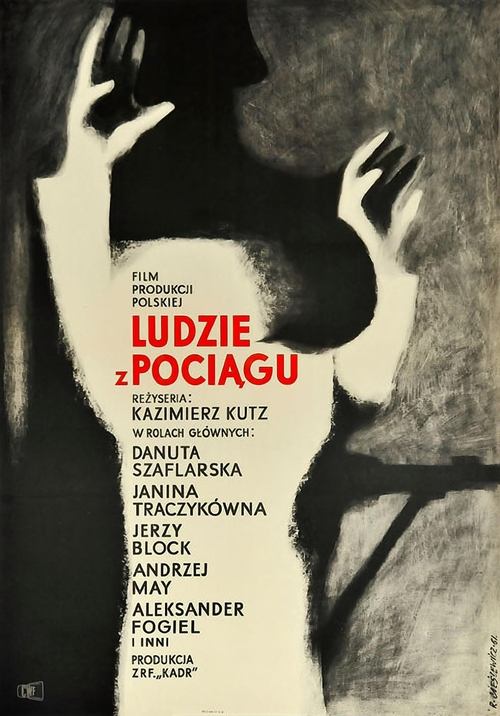
Representation Score
Limited
1961
Director
Kazimierz Kutz
Runtime
98 minutes
Average Rating
No ratings yetNew Showbiz Analysis
The film functions as a study of historical realism rather than a modern narrative focused on diversity. It prioritizes the psychological tension of German-occupied Poland over demographic variety, resulting in low scores for LGBTQ+, disability, and gender subversion. While the cast is ethnically homogeneous, the film succeeds in its cultural critique. It effectively deconstructs how systemic violence and external occupation dismantle social order and traditional authority. Ultimately, the work trades contemporary diversity metrics for a nuanced exploration of moral ambiguity and the friction between individual instinct and communal duty.
Category Breakdown
The film does not depict any LGBTQ+ identities or non-cisgender narratives. The story centers on survival during wartime occupation.
Women are mainly shown in domestic and communal roles, while men take central roles involving conflict and defense.
The casting is ethnically uniform, reflecting the specific Polish setting and historical context. The lack of racial diversity mirrors the localized reality of the occupation.
The film provides a sophisticated critique of oppressive institutional power. It explores moral gray areas where characters must choose between complicity and survival.
There are no characters with visible or invisible disabilities serving as central narrative drivers. No specific ability to act is given to disabled individuals.
Present on Screen
Limited or Absent
Official Synopsis
A group of people find themselves stuck in remote train station in German-occupied Poland. A drunk German station guard there gets paranoid and sees partisans all around him, phones headquarters, and when the German soldiers arrive and search the station they find a gun. They then threaten to execute every fifth person unless someone claims it.
1964

1965

1983

1977

1965
1946
1962
1982
No reviews yet. Be the first to share your thoughts on this movie!
Use the rating form above to leave a star rating and optional review.