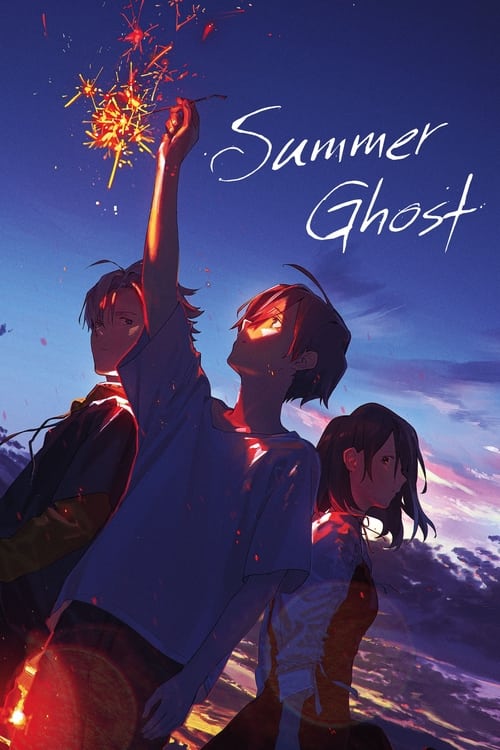
Summer Ghost
2021
No user ratings available yet
Representation score: 3.1 out of 10

Representation Score
Fair
2026
Director
Yukihiro Miyamoto, Akiyuki Shinbo
Runtime
120 minutes
Average Rating
No ratings yetNew Showbiz Analysis
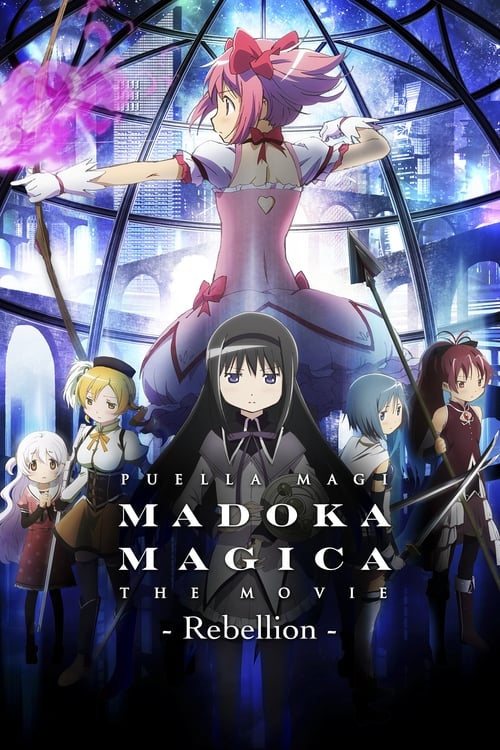
This 2026 sequel maintains the franchise’s focus on a female-led magical conflict. Homura’s internal struggle provides depth, shifting the story from action to ethical questioning. The world remains culturally homogeneous, with no visible diversity in race, sexuality, or disability. The film prioritizes psychological nuance over broad demographic inclusion.
Category Breakdown
The story centers on the protective bond between Madoka and Homura, framed strictly as female friendship. No openly LGBTQ+ characters or same-sex romance are depicted in the available synopsis. Without on-screen evidence of romantic intimacy or gender identity exploration, this category remains absent.
The narrative is driven entirely by women who wield magical power and make high-stakes decisions. Homura actively questions the limits of her choices to protect Madoka, demonstrating clear narrative control. The absence of male protagonists reinforces a female-led structure where women are the primary agents of conflict resolution.
The cast consists exclusively of Japanese characters, reflecting the franchise’s standard demographic. No characters of color appear in the provided synopsis or cast list. The story operates within a homogeneous cultural setting, offering no cross-cultural representation or diverse casting choices.
The film critiques the fragility of peace and the moral cost of protective actions. Homura’s struggle to question how far she will go challenges the notion of unconditional sacrifice. This framing presents traditional heroic ideals as burdensome, encouraging viewers to weigh individual morality against systemic expectations.
No characters with physical or mental disabilities are identified in the available material. The narrative focuses on magical threats and psychological tension rather than lived experiences of disability. Any physical limitations are tied to magical mechanics, not portrayed as ongoing identity conditions.
Present on Screen
Limited or Absent
Official Synopsis
After the events of Rebellion, the world appears to be in balance—but that peace is fragile. As a new threat connected to Walpurgisnacht emerges, Homura Akemi is forced to face the consequences of her choices and question how far she is willing to go to protect Madoka.
2021
2013
2012
2019
2015
2012
2023
2022
No reviews yet. Be the first to share your thoughts on this movie!
Use the rating form above to leave a star rating and optional review.